




Eye Diseases
What is Diabetic Retinopathy?
- Kudret Eye Istanbul
- Last updated:
- 5 min read
- Medically reviewed by Op. Dr. Mehmet Ali Özdil
Questions such as what diabetic retinopathy is and how it appears are widely asked. Diabetic retinopathy is the greatest cause of the sight loss that arises with diabetes. Diabetes can cause a great many problems for vision. When the body lacks insulin, or cannot use it properly, blood sugar rises, and that in turn damages the blood vessels.
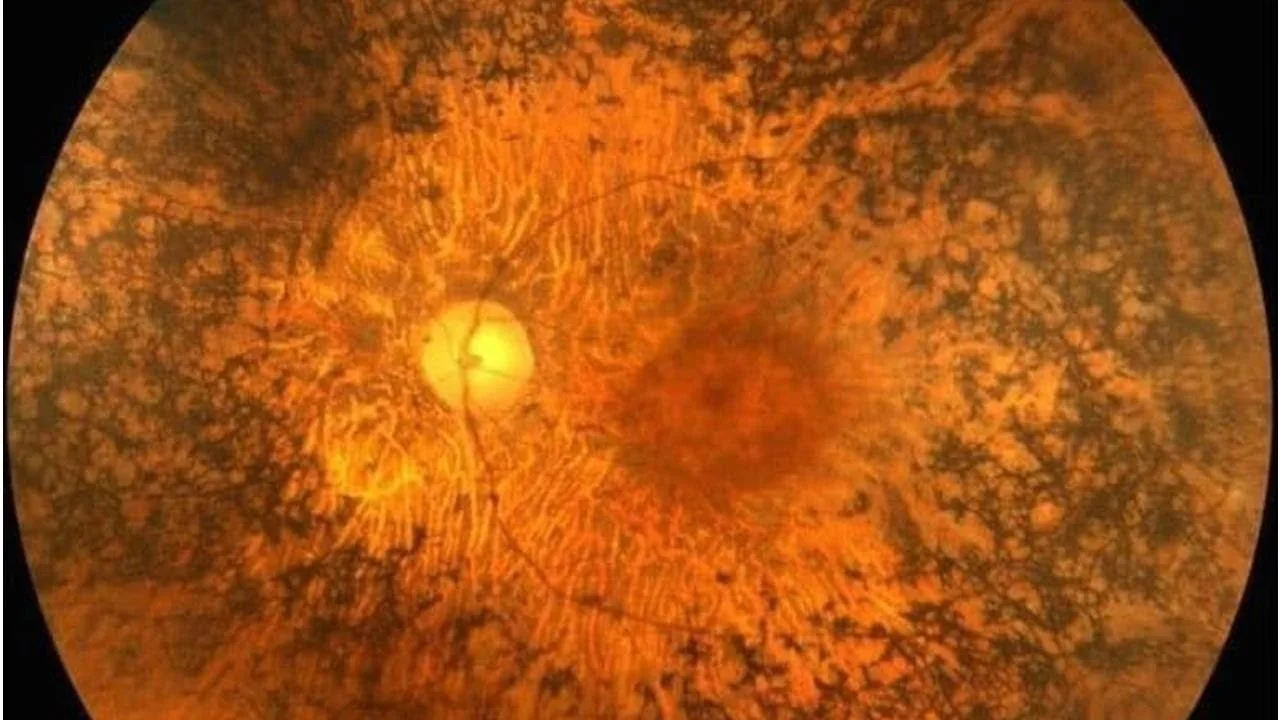
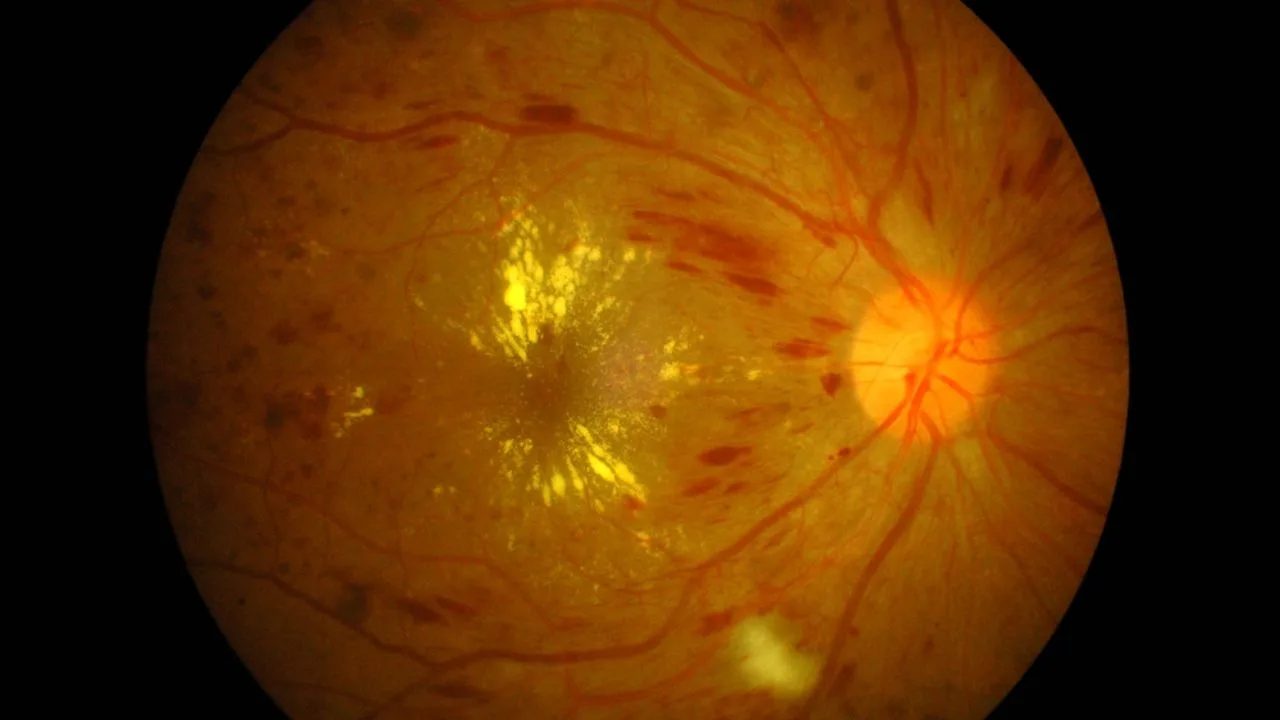
Diabetes affects the nerves of the eye and the capillaries within the nerve layer. This prevents the eye from carrying out its function and leads to sight loss. The retinal problems that arise because of diabetes are called diabetic retinopathy.
 Fat, protein and carbohydrate are needed to meet the energy the body requires. The most important part of these nutrients is glucose, that is sugar. The blood carries this substance to every cell of the body so that it can be used as energy. Glucose is one of the most important sources of energy in the body, and above all for the brain. Cells balance and use the glucose they need with the hormone insulin released by the pancreas. If the hormone is not produced in the body, or if the body cannot use it correctly, blood sugar rises.
Among the reasons for the rise in diabetes, living conditions and diet have a very great influence. Avoiding this condition through a balanced and regular diet matters. Because of raised blood sugar, vision problems in particular can appear, since high blood sugar can damage the nerves and the optic nerves.
Fat, protein and carbohydrate are needed to meet the energy the body requires. The most important part of these nutrients is glucose, that is sugar. The blood carries this substance to every cell of the body so that it can be used as energy. Glucose is one of the most important sources of energy in the body, and above all for the brain. Cells balance and use the glucose they need with the hormone insulin released by the pancreas. If the hormone is not produced in the body, or if the body cannot use it correctly, blood sugar rises.
Among the reasons for the rise in diabetes, living conditions and diet have a very great influence. Avoiding this condition through a balanced and regular diet matters. Because of raised blood sugar, vision problems in particular can appear, since high blood sugar can damage the nerves and the optic nerves.
Causes of Diabetic Retinopathy
Diabetes is among the causes of diabetic retinopathy. The likelihood of retinopathy increases within the ten years following a diagnosis of diabetes. In young patients with type 1 or insulin dependent diabetes, the likelihood of meeting this condition is higher after adolescence. Diabetes is examined in different forms, such as type 1, type 2 and gestational diabetes. Its scientific name is diabetes mellitus. It arises when the pancreas cannot produce a sufficient quantity of insulin, or when the body cannot use insulin correctly. The amount of sugar in the bloodstream rises, and it is a chronic condition. While the body of a person without diabetes digests food normally, in patients with diabetes this results in a rise in blood sugar.
Fat, protein and carbohydrate are needed to meet the energy the body requires. The most important part of these nutrients is glucose, that is sugar. The blood carries this substance to every cell of the body so that it can be used as energy. Glucose is one of the most important sources of energy in the body, and above all for the brain. Cells balance and use the glucose they need with the hormone insulin released by the pancreas. If the hormone is not produced in the body, or if the body cannot use it correctly, blood sugar rises.
Among the reasons for the rise in diabetes, living conditions and diet have a very great influence. Avoiding this condition through a balanced and regular diet matters. Because of raised blood sugar, vision problems in particular can appear, since high blood sugar can damage the nerves and the optic nerves.
Symptoms of Diabetic Retinopathy
The symptoms of diabetic retinopathy vary with the severity of the condition, because it may have damaged the eye to different degrees. Patients with diabetes should attend regular eye examinations so that the damage to the eye can be examined in detail. Through those detailed examinations, the damage and the state of the eye are identified. Eye conditions, cataract and other problems are seen at a higher rate in patients with diabetes. This means that people with diabetes need to attend check-ups more often and to undergo detailed examinations. Attention must be paid to diet, to medication and to regular examinations alike. In its early stages diabetic retinopathy usually causes no symptoms, so regular eye examinations are needed even when you have no complaints. Where there is blurring of vision or anything similar, patients with diabetes in particular should always be examined. Among the most common symptoms are:- Blurred vision
- Deterioration of vision over time
- Shapes and objects drifting across the field of vision (floaters)
- Sudden sight loss
- Difficulty seeing in the dark
Stages of Diabetic Retinopathy
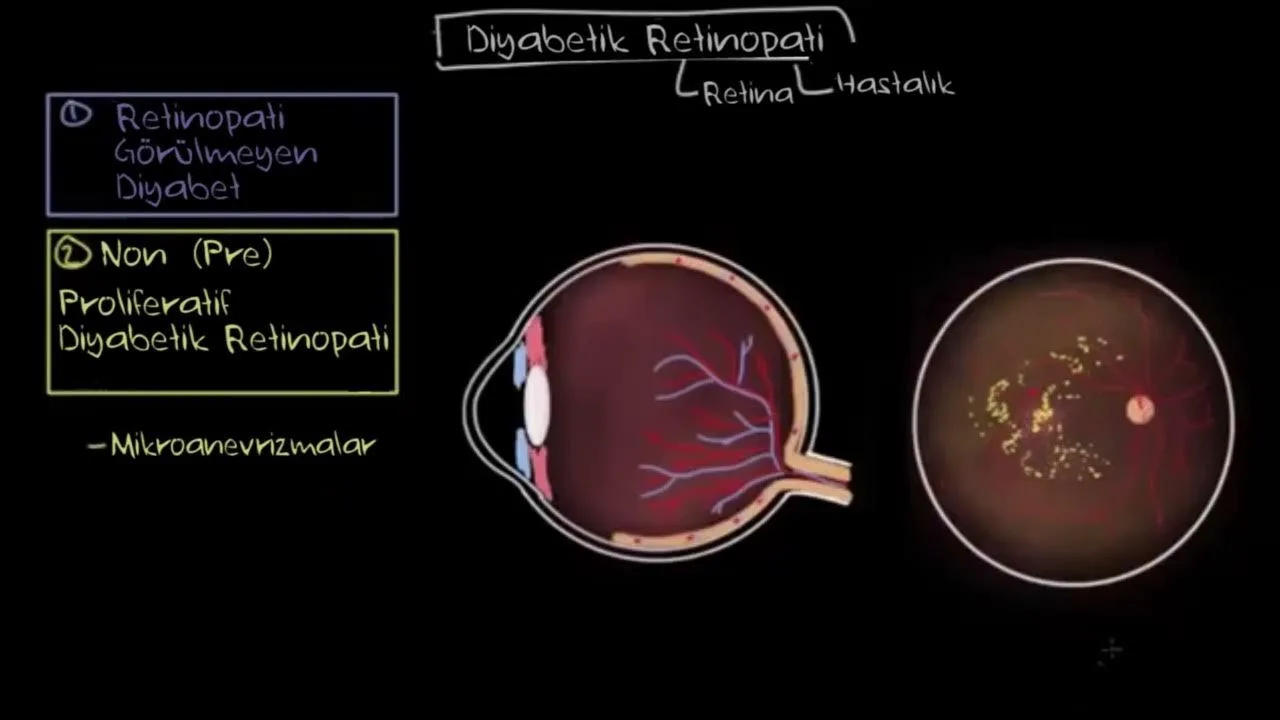
Diabetic retinopathy is observed in three stages. They are:- Stage 1 (background retinopathy): at this stage the damage to the blood vessels in the retina is slight, although small microaneurysms have formed in those vessels. These signs are very common in patients with diabetes. Sight loss at an early stage is rare. Although treatment is not needed, precautions should be taken so that the later stages do not follow. If both eyes are affected, the quality of vision falls further.
- Stage 2 (pre-proliferative retinopathy): at this stage damage is met that can cause bleeding in the retina and within the eye, and vision can be affected to a greater degree.
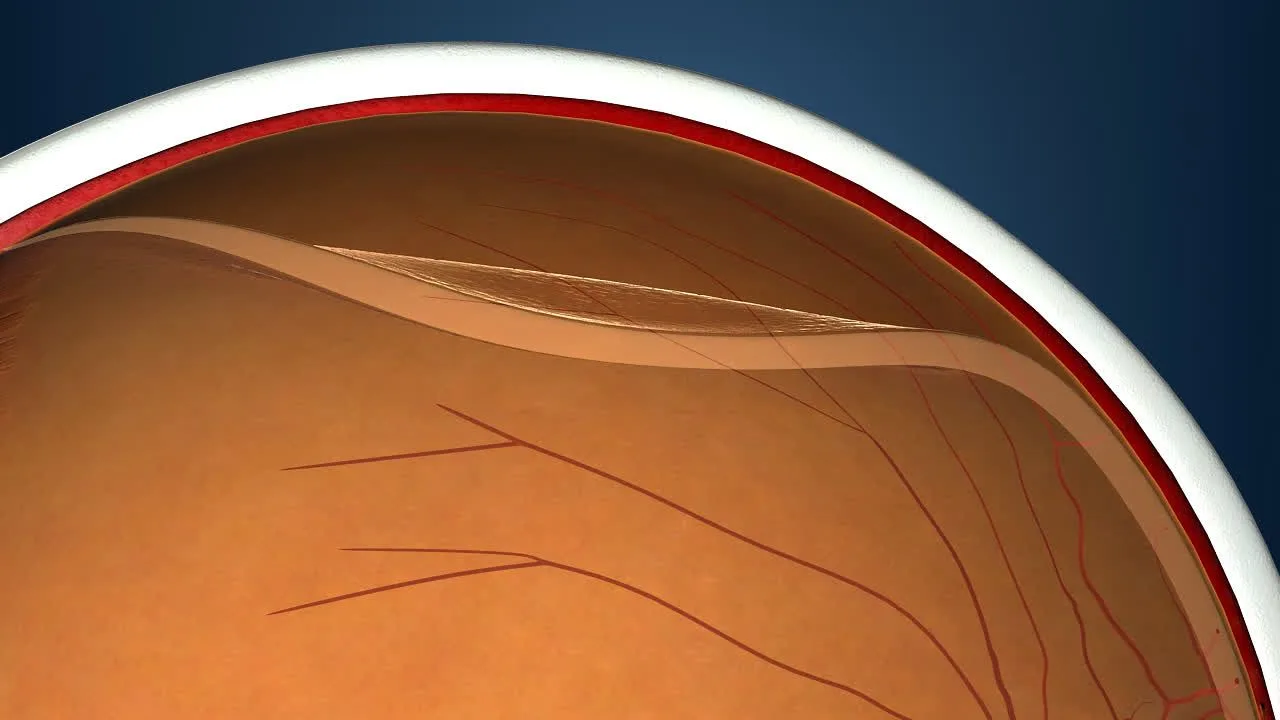
- Stage 3 (proliferative retinopathy): at this stage abnormal new blood vessels form in the retina; they can lead to serious bleeding, and retinal detachment can occur as the retina separates from the structure it is attached to. Sight loss is a strong possibility at this stage. Although it is not possible to restore vision, the aim is at least to preserve what remains.
Diagnosis and Treatment of Diabetic Retinopathy
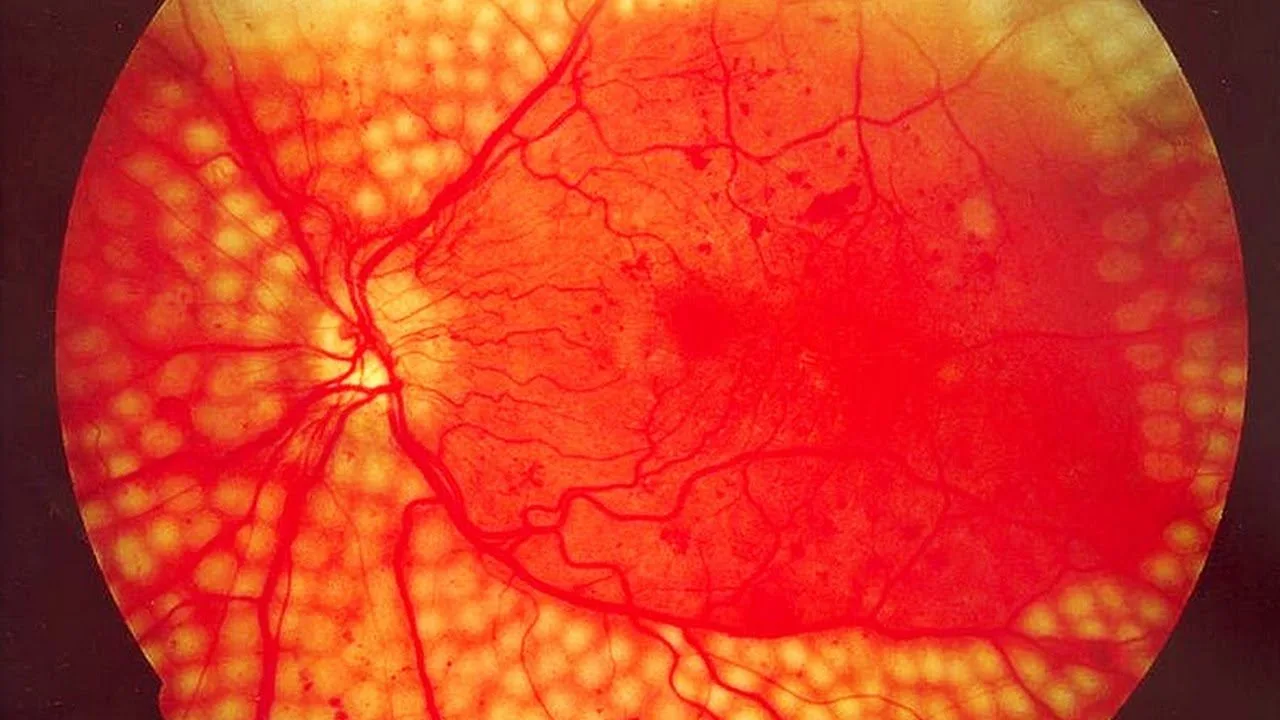
Diagnosing and treating diabetic retinopathy carries critical importance. People diagnosed with diabetes need regular eye examinations. Ophthalmologists dilate the pupils and carry out a great many analyses and tests. The techniques used to establish whether diabetic retinopathy is present matter a great deal, and the methods used in diagnosing this condition are painless. Where diabetic retinopathy is diagnosed, early treatment can prevent the damage in the eye from advancing, because if it is not prevented, even blindness can follow in time. If the ophthalmologist diagnoses serious diabetic retinopathy or diabetic macular oedema, tests such as fluorescein angiography may be applied. Through this test the state of the blood vessels within the eye is established, and the areas affected by sight loss and the vessels causing bleeding are identified. Diabetic retinopathy is not a condition with a complete cure, although with early diagnosis blindness can be prevented in the great majority of cases. Identifying it at an early stage and following it therefore matters. Where it is identified early, the patient is monitored continually and care is taken to regulate their blood sugar. People with diabetes but no retinopathy should have a comprehensive eye examination once a year, and more often as the retinopathy advances. At advanced stages of retinopathy, where vision has deteriorated, treatment begins immediately. The following methods are applied in halting the progression of diabetic retinopathy:- Laser treatments
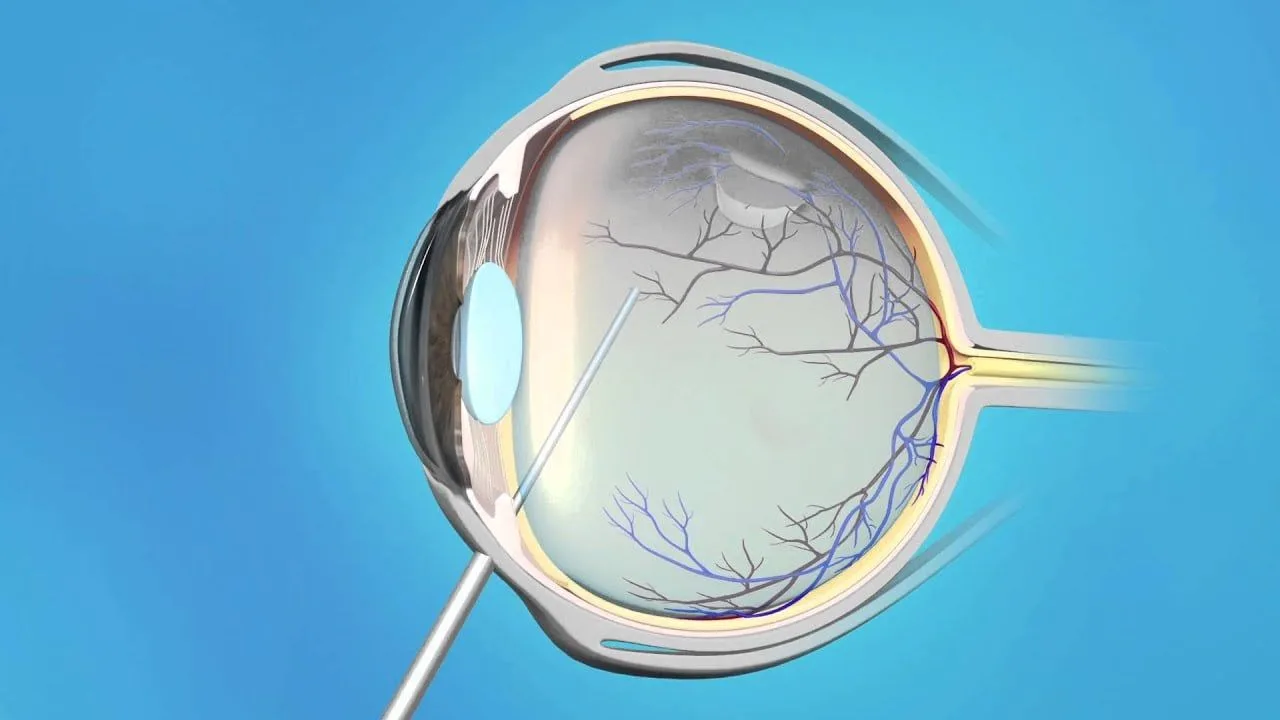
- Various surgical procedures according to the patient's situation
- Injection of medication into the eye