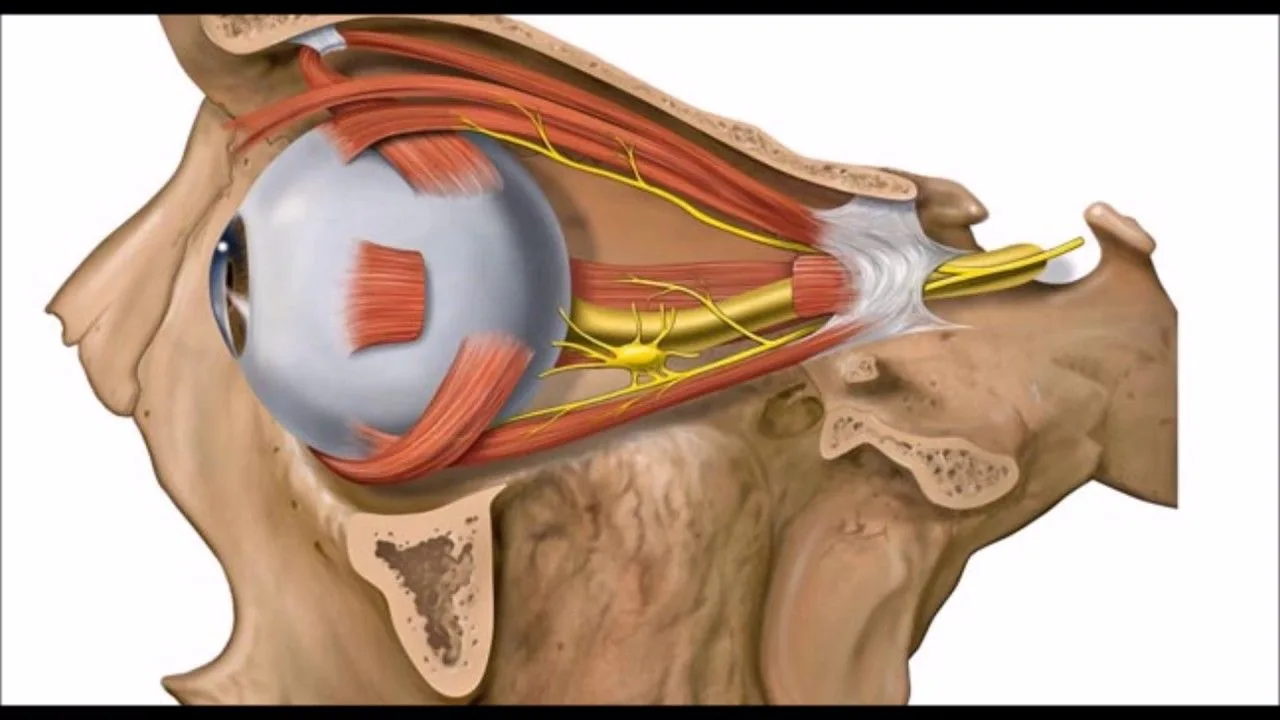
Damage to the optic nerves, or their death, affects a person's daily life considerably. So what is the optic nerve? The optic nerves are the nerve pathways that carry the information arriving from the eye to the brain, so that what is seen is perceived by the brain and responded to. The nerves of sight can be examined under two main headings:
The optic nerve: the optic nerve is the main nerve pathway that carries information about light in the eye to the brain. It gathers the signals arriving from the cells in the retina and carries them to the brain. It runs from the back of the eyeball to the optic chiasm; from there the visual pathway continues to the visual cortex, the centre of vision in the brain.
The optic tracts: from the optic nerve, the overall signal is carried towards the centre of the brain by two bundles of nerve fibres called the tracts. Part of the fibres from each eye cross to the other side at the optic chiasm, so each optic tract carries signals from both eyes to the visual centre of the brain.
The main task of these nerves is to convert the images in the retina into electrochemical signals and carry them to the brain. The visual centre in the brain then processes those signals so that the image is perceived. For the brain and the faculty of sight to work at their best, the nerves of sight carry great importance. Through trauma, accidents and operations, however, the optic nerve can be damaged or lose its function.
What Causes Optic Nerve Damage and How is It Identified?
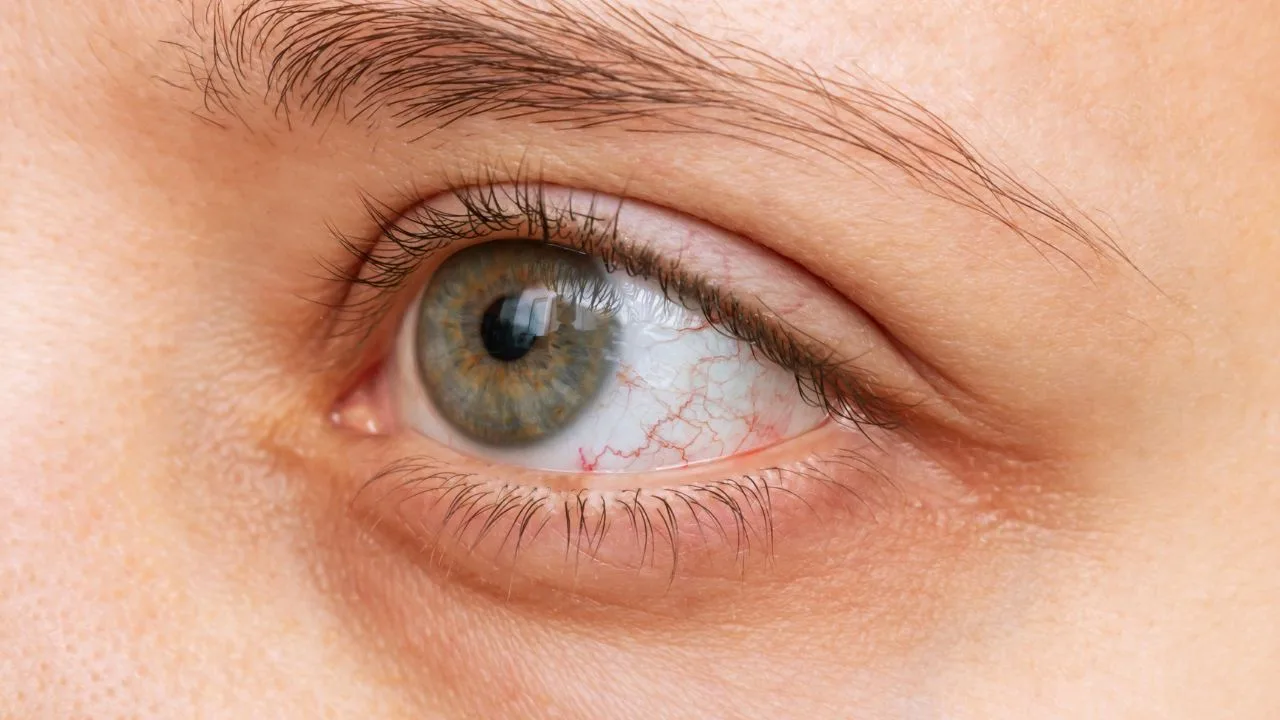
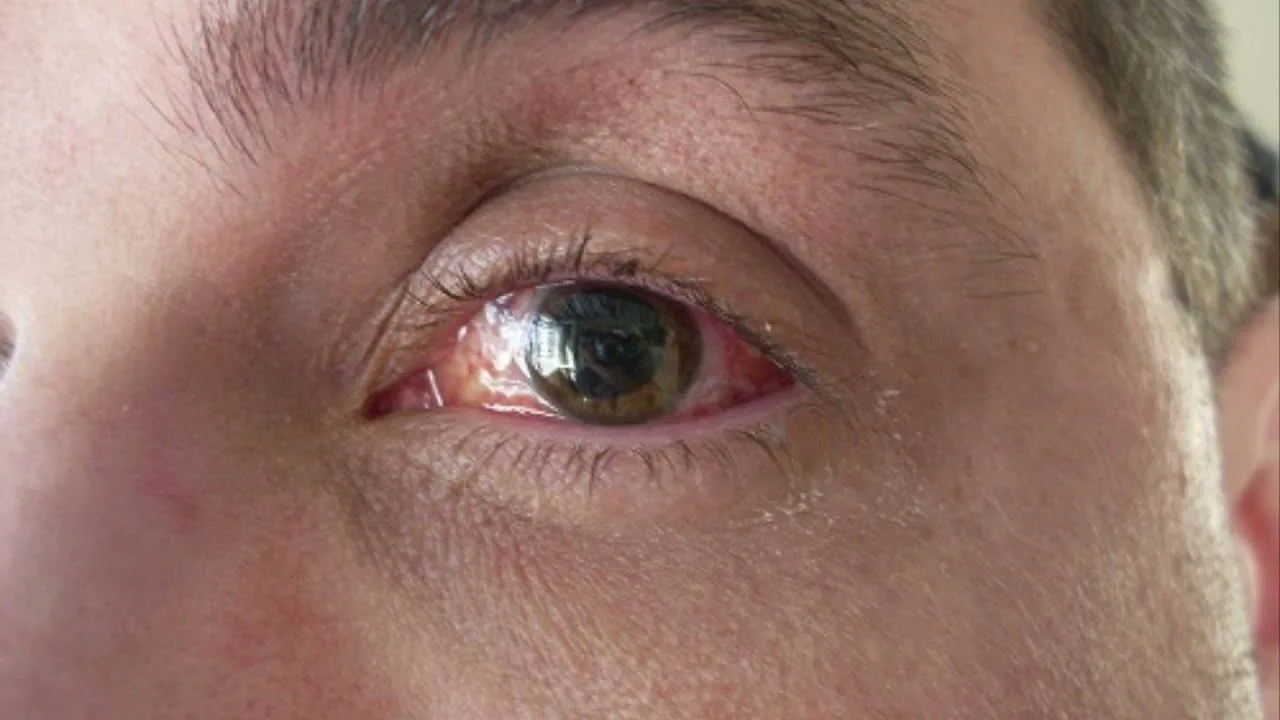
Optic nerve damage can appear through many causes, such as glaucoma, infections arising in immune system conditions and physical trauma. Damage of this kind to the optic nerves can lead a person to experience loss of visual clarity and field of vision, and at advanced levels to sight loss. The symptoms of damage to the optic nerves are:
Blurred vision and a loss of clarity.
Colours looking faded and washed out.
Loss of the field of vision: vision narrowing from the edges, or dark areas appearing in the field of vision.
A change in how the pupil reacts to light (usually noticed during an examination).
Where these and similar symptoms are present, an ophthalmologist should always be consulted as soon as possible. Through the tests and investigations carried out, the right diagnosis is made early and treatment begins. As nerve fibres that have died do not regenerate, early diagnosis is decisive in preserving the sight that remains.
Optic nerve damage
Can the Optic Nerves Be Strengthened? How Is the Optic Nerve Protected?
No exercise, pair of glasses or supplement strengthens the optic nerves, and nerve fibres that have died do not grow back. What can be done is to catch the conditions that damage the optic nerve early and to protect the part of the nerve that is still healthy. To protect the optic nerve:
Regular eye examinations: conditions that damage the optic nerve, such as glaucoma, may cause no symptoms for a long time. Regular check-ups are advised after the age of 40, and earlier for anyone with a family history of glaucoma.
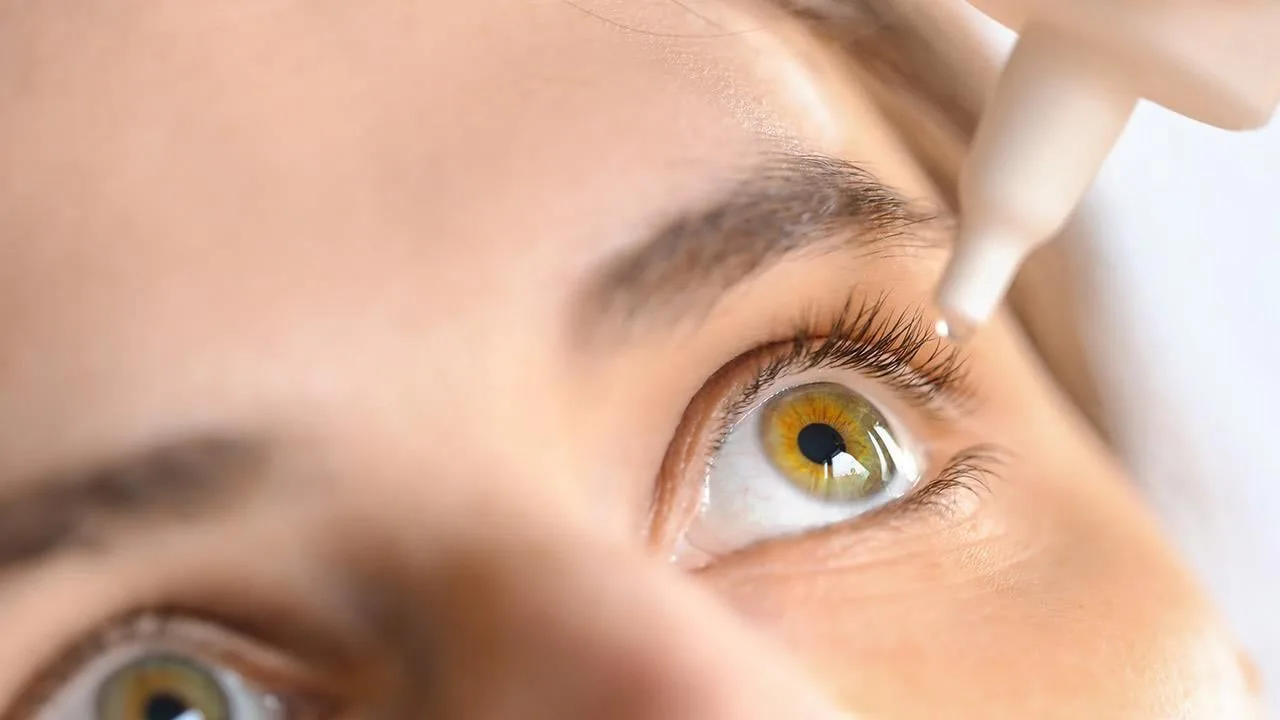
Glaucoma follow-up: where glaucoma has been diagnosed, using the drops without missing doses and having the eye pressure measured regularly slows the progression of nerve damage.
Diabetes and vascular health: keeping blood sugar, blood pressure and cholesterol under control and stopping smoking protect the vessels that supply the optic nerve.
Acting quickly on sudden symptoms: if you notice sudden loss of vision, pain on moving the eye or a sudden change in colour vision, see an ophthalmologist without delay.
A balanced and healthy diet is necessary for both general and eye health. Vitamins, minerals and foods high in antioxidants all affect eye health positively. Green leafy vegetables, fish, walnuts, eggs and orange vegetables in particular are very beneficial for eye health.
Eye exercises, glasses and screen breaks can ease eye strain, but they do not strengthen the optic nerve or prevent nerve damage. Long periods of screen use do not damage the optic nerve either.
How Is Optic Nerve Damage Treated?
There is currently no treatment that brings dead nerve fibres back to life. The aim of treatment for optic nerve damage is to remove or control the cause of the damage and so preserve the sight that remains. Treatment depends on the cause:
Glaucoma: eye pressure is lowered with drops, laser or surgery, with the aim of stopping or slowing the progression of nerve damage.
Optic neuritis (inflammation of the optic nerve): depending on the doctor's assessment, steroid treatment may be given, and any underlying condition is investigated.
Vascular occlusion (ischaemic optic neuropathy): vascular risk factors such as blood pressure, diabetes and cholesterol are treated; where certain inflammatory conditions of the blood vessels are suspected, urgent treatment is needed.
Damage caused by pressure or injury: assessed according to the cause, together with neurosurgery and neurology where needed.
Which Foods Are Good for the Optic Nerves?
The foods good for the optic nerves that people ask about in fact support general eye health; no food or supplement repairs an optic nerve that has died. They include products high in vitamins A, E and C. Zinc and omega 3 fatty acids are also among the foods that support general eye health. Eating them regularly matters a great deal in keeping the eyes healthy in the long term and in preventing conditions that can appear with age. Those foods are:
Spinach
Lettuce
Leeks
Broccoli
Parsley
Meat and poultry
Seafood such as salmon and oysters
Avocado
Milk and dairy products
Oily nuts such as walnuts and almonds
Carrots, and citrus fruits such as lemons and oranges
Sweet potato
To gain the benefit of foods that are good for the eyes, eating them regularly and in the right portions matters a great deal. It should be known, however, that foods alone are not enough: regular check-ups with a doctor matter as well.
Frequently Asked Questions
1
What is death of the optic nerves?
Death of the optic nerves is known medically as optic nerve damage. Where the signals travelling from the eye to the brain are not carried, sight loss can develop.
2
Can it be treated if the optic nerve dies?
Where the damage is permanent, complete recovery can be difficult; with early diagnosis, however, progression can be slowed and vision preserved.
3
Why does the optic nerve die?
Glaucoma, trauma, infections, vascular occlusion and certain neurological conditions can all damage the optic nerve.
4
Does someone go blind if the optic nerve dies?
At advanced stages vision can decline seriously. With early diagnosis and treatment, however, vision can be preserved.
5
Can the optic nerves be repaired?
Optic nerve fibres that have died do not regenerate. The aim of treatment is to preserve the cells that remain.
6
Which vitamins are good for the optic nerve?
A balanced diet rich in vitamins A, C and E and omega 3 fatty acids supports general eye health. However, no vitamin or supplement repairs an optic nerve that has died.
7
How are the optic nerves strengthened?
The optic nerve cannot be strengthened with exercises, glasses or supplements. Regular eye examinations and follow-up of glaucoma and diabetes are the most effective way to protect it.
8
How is optic nerve damage identified?
Blurring of vision, faded colours and dark areas in the field of vision are the most common symptoms.
9
Which doctor treats optic nerve damage?
An ophthalmologist and, where needed, specialists in neuro-ophthalmology.
10
Is the optic nerve treated with surgery?
In certain traumatic or pressure-related situations surgery may be needed, although each case is assessed individually.
11
Is optic nerve damage permanent?
This depends on the degree of the damage. Damage that has already occurred is usually permanent; with early diagnosis its progression can be stopped or slowed.
12
Which foods are beneficial for the optic nerves?
Spinach, broccoli, walnuts, salmon, eggs, carrots, oranges and dairy products support general eye health; they do not repair a damaged nerve.
13
Does long computer use harm the nerves?
No. Long screen use can cause eye strain and dryness, but it does not damage the optic nerve. To ease eye strain, the 20-20-20 rule is recommended: every 20 minutes, look at something about 6 metres (20 feet) away for 20 seconds.
14
Does wearing glasses affect the nerves?
No. Glasses with the correct prescription give clear, comfortable vision; they neither strengthen nor weaken the optic nerve.
15
Can optic nerve damage be treated at Kudret Eye İstanbul?
Yes. At Kudret Eye İstanbul, optic nerve damage is identified at an early stage with advanced diagnostic devices and experienced doctors, and treatment is planned individually.
What is an Eye Freckle?
The signs of a torn retina can show themselves in many ways, and they can appear without any pain at all. Because there is no pain, people may not suspect the situation. There are things to watch for, however.
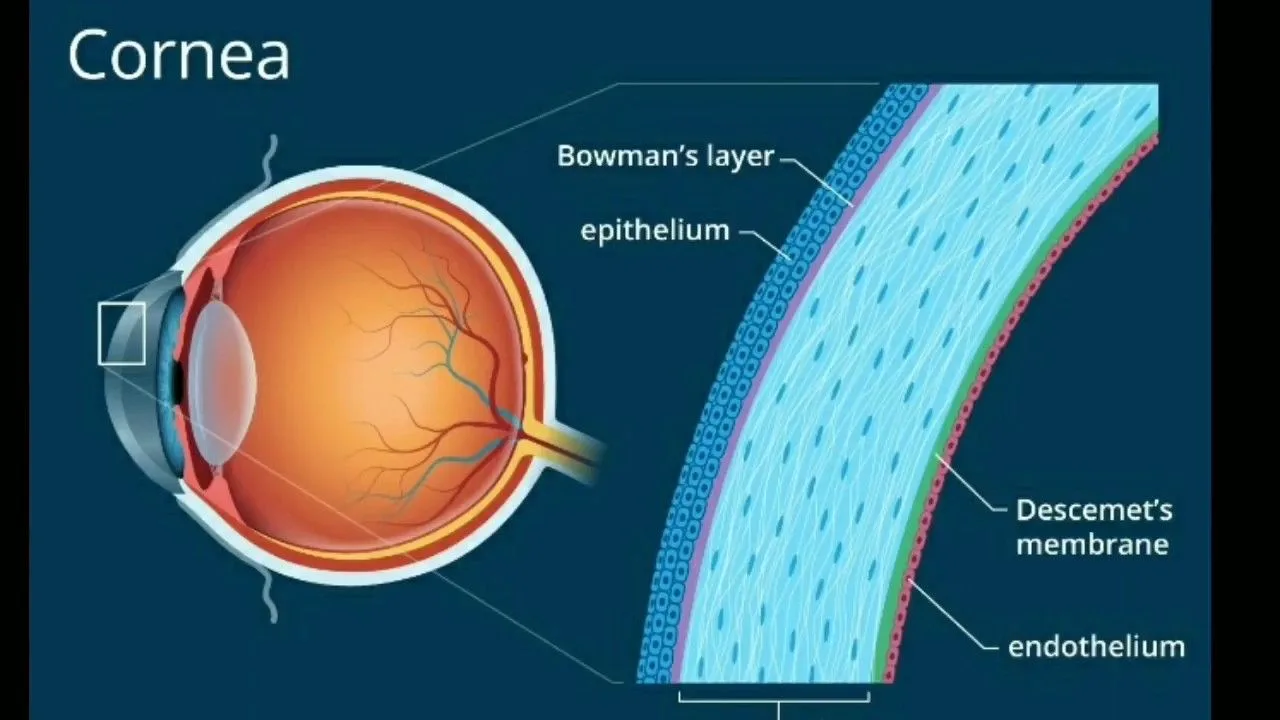
For laser eye surgery to succeed, the cornea, the transparent front surface of the eye, has to be thick enough for the operation to proceed safely. Corneal thickness is among the most important criteria.
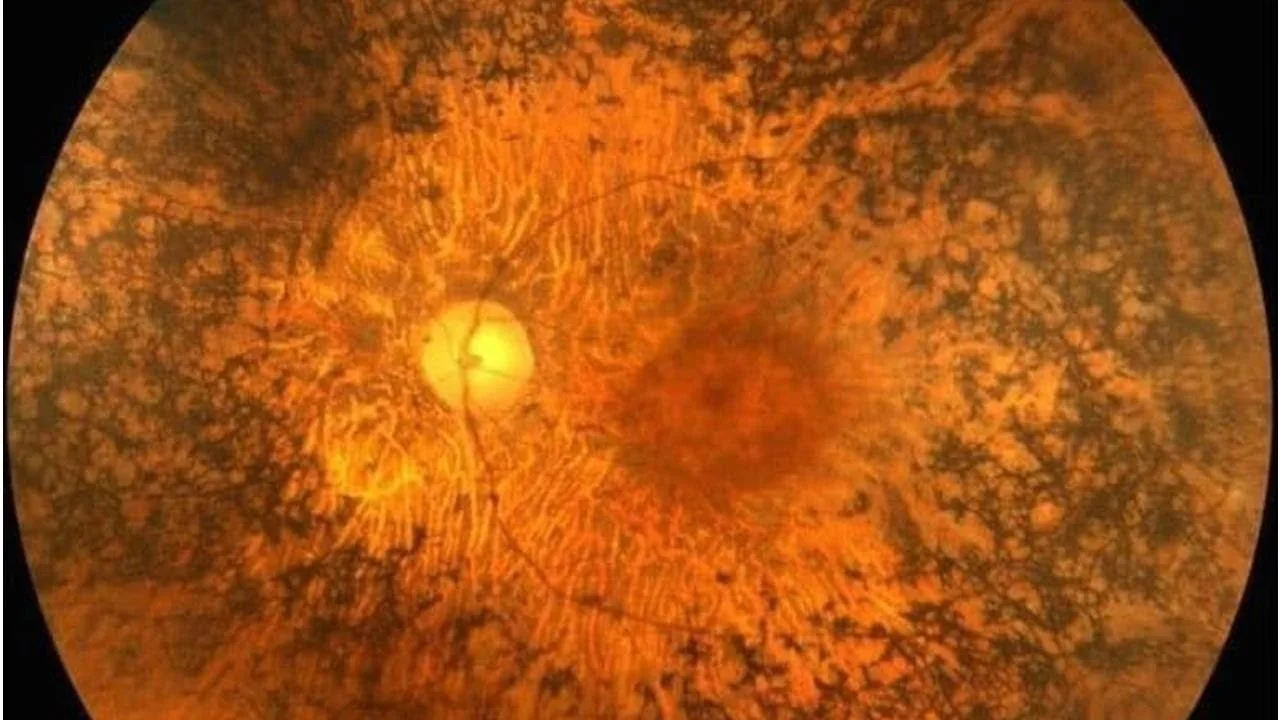
Retinitis pigmentosa is one of the causes of night blindness, although the two are not the same thing. It is one of the genetic eye conditions. In the early stages people generally consult a doctor saying their vision at night has fallen and that they have difficulty seeing.
Contact lenses are lenses placed on the surface of the cornea, covering the pupil and the iris completely and offering more comfortable wear than glasses. They are used to correct refractive errors and, cosmetically, to change eye colour.
Essential cookies are always on. With your permission we also use Google and Meta cookies for measurement and ads.Cookies needed for the site to work are always on. With your permission we also use Google and Meta cookies to measure visits and show you relevant ads. You can change your choice at any time with the "Cookie settings" link at the bottom of the page.Detailed Information