




Eye Diseases
What is the Lens of the Eye?
- Kudret Eye Istanbul
- Last updated:
- 8 min read
- Medically reviewed by Op. Dr. Mehmet Ali Özdil
The anatomy of the eye belongs to one of the best known and at the same time most complex of our organs. The eye has many layers and many parts that carry out the process of sight. Questions such as what the lens of the eye is and what it does are therefore widely asked. The lens of the eye is the name of the structure that light reflected into the eye passes through before it reaches the retina. It has a very important part to play in allowing the eye to focus. Transparent and made of protein, this structure directs the light entering the eye towards the retina. Although it is very durable, it can change over time because of ageing and environmental factors such as UV light.
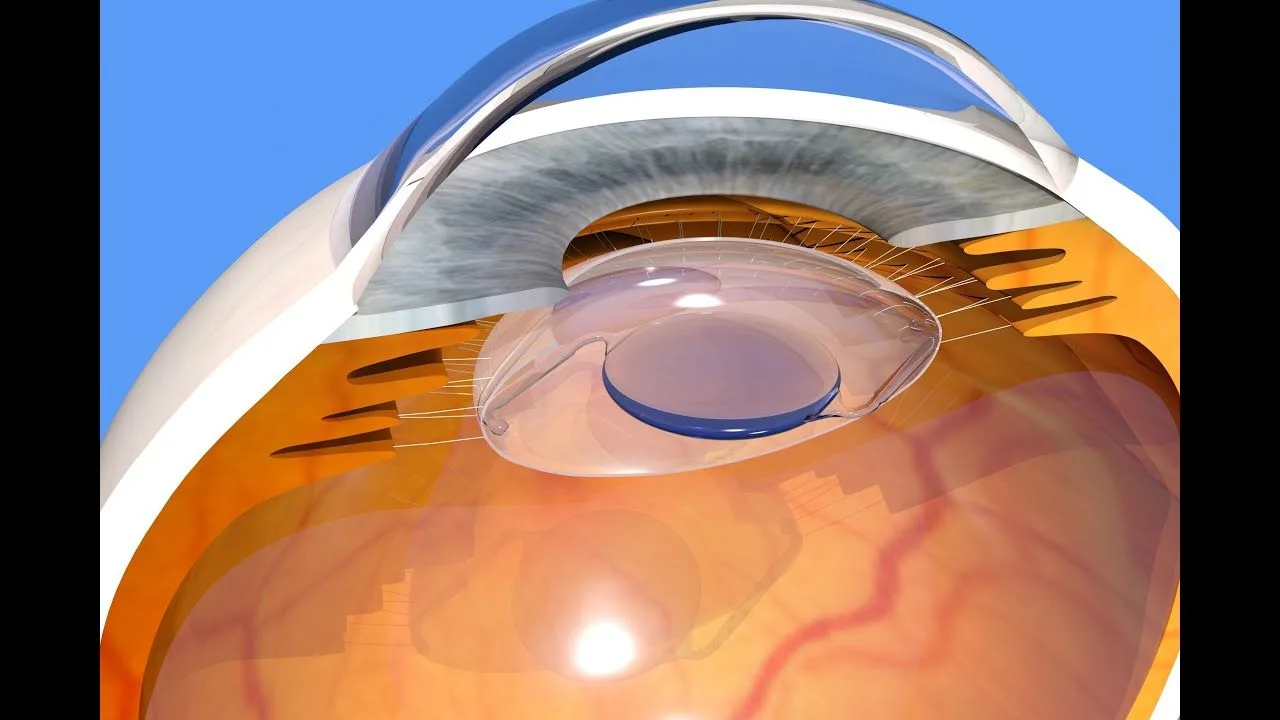
The lens of the eye is a transparent structure lying behind the iris and the pupil at the front of the eye, and in front of the vitreous body at the back. It works just like a camera lens. It focuses light, directs it onto the structures at the back of the eye and allows it to be carried to the brain through the optic nerves. The lens is the curved and transparent structure lying deep within the eye. It draws light towards itself and bends it in order to project it onto the chamber at the back of the eye, the retina. In that chamber the light is focused and carried to our brain.
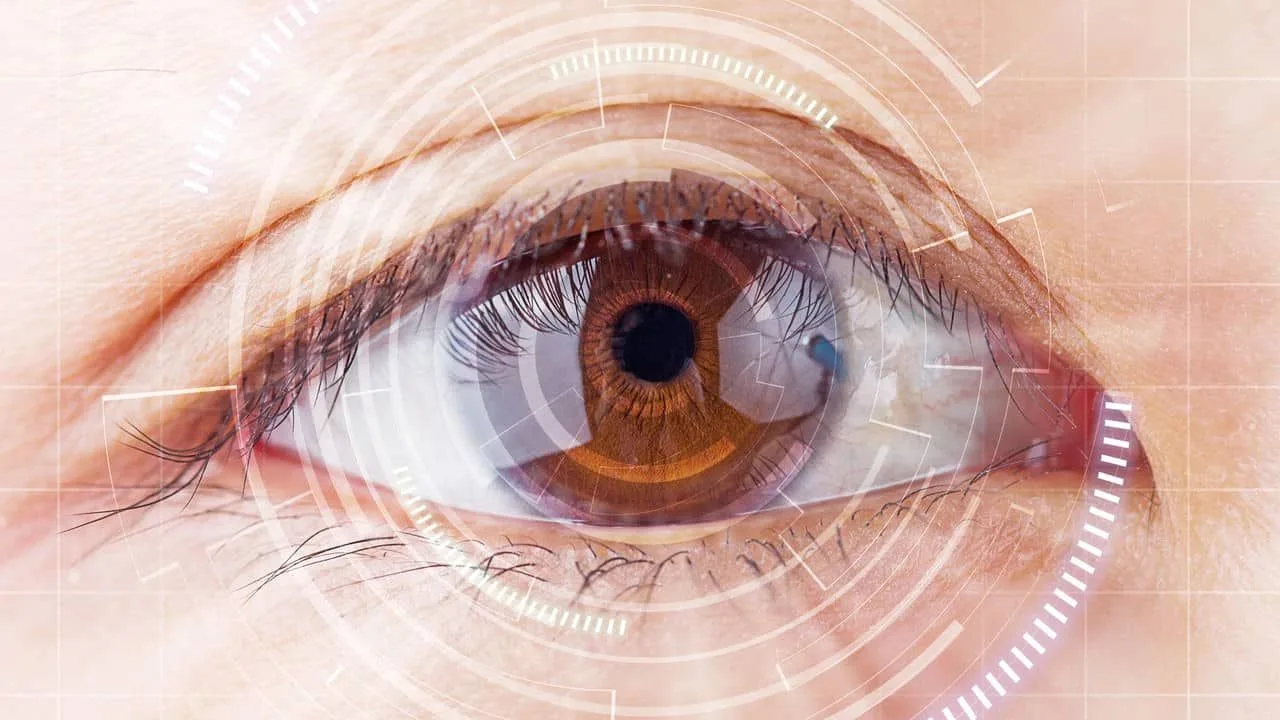
Function of the Lens
The function of the lens is extremely important for human life. By its function, the lens draws in the light reflected into the eye, focuses it and carries it to the retina at the back. It can flex and change its shape minimally in order to focus on objects at different distances. It can take a flatter or more curved form in order to bring light arriving from different angles and distances to a single point. Making the fine adjustments in focus by changing its own shape, it carries the light it receives successfully to the parts behind it. The lens carries out around thirty per cent of the eye's focusing, while the cornea is responsible for the remaining seventy per cent of its refractive power.
Structure of the Lens
By its structure the lens of the eye is transparent. It lies behind the dark point called the pupil, at the centre of the iris, the coloured part of the eye. The pupil allows light into the eye. Where the intensity of light is high it narrows to provide clearer vision, while in dim light it widens so that the eye can see more and gather more light. The iris is responsible for adjusting the size of the pupil in these situations and controls the amount of light entering the eye. Light carried from the pupil to the lens is then carried by the lens to the retina behind it. The lens is the second layer in the projection of light. Transparent and able to flex, this lens is held to the muscles called ciliary muscles by fibres called zonules. These muscles help to adjust the shape of the lens: by contracting and relaxing they allow it to become more curved or flatter, which makes it easier to focus on objects far away or close at hand. Made of structural proteins, this lens is sometimes called the crystalline lens. It is the area with the highest protein content of almost any tissue in the body, and those proteins give the lens its transparency. Unlike normal human cells it holds no nucleus or organelles, so the fibres inside the lens are not renewed; only the thin layer of epithelium at its edge produces new fibres throughout life. The cells of the lens are arranged in concentric layers. Throughout human life new cells continue to grow from the edges of the lens while older cells gather at the centre. This leads to a build-up of old and worn cells in the lens of the eye, and certain eye conditions follow.
Conditions of the Lens
Conditions of the lens generally appear with age, because the old cells gathering at the centre of the eye bring certain conditions with them. Because of ageing and environmental factors such as heavy exposure to the sun, the structure of the lens is naturally affected. The cells in the lens begin to break down and it loses its transparency. This is exactly when cataract appears. As the cells in the lens age they also lose their elastic structure and can no longer flex to focus on near objects; this loss of flexibility is called presbyopia. Cataract is different: because old cells gather at the centre, a build-up of protein forms and the lens becomes cloudy. This clouding is called cataract.Symptoms of Lens Conditions
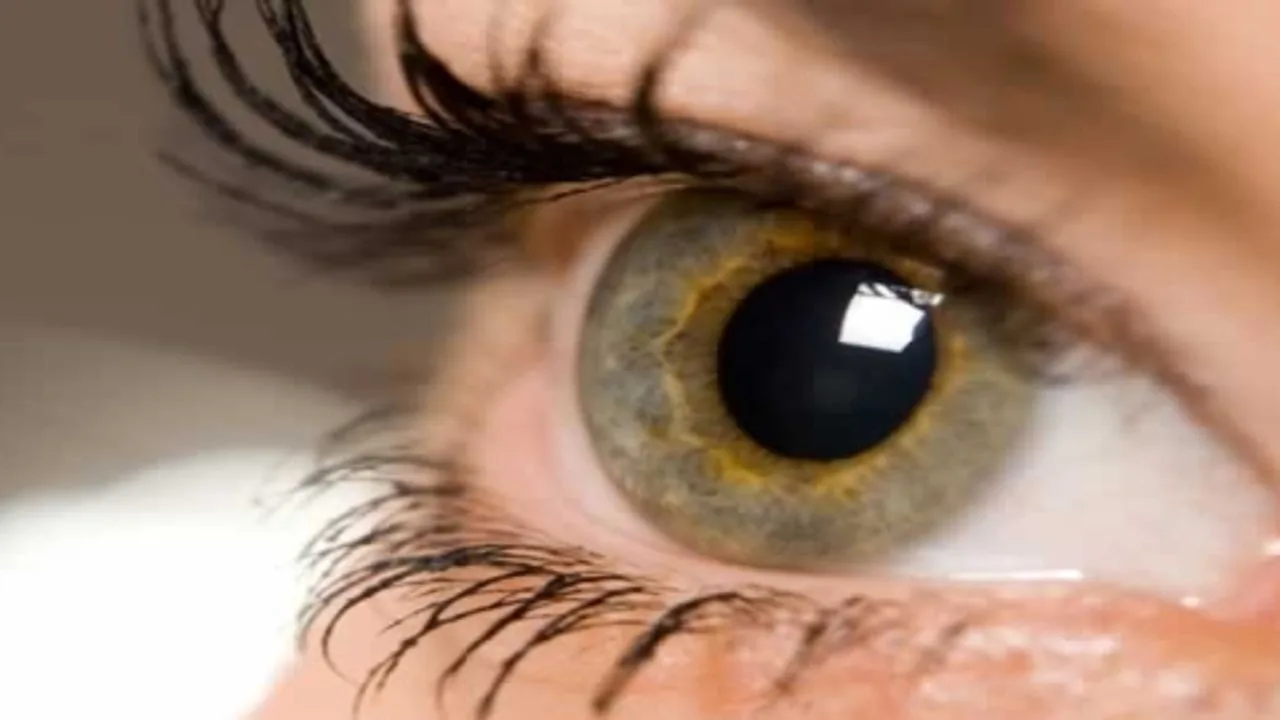
The symptoms of lens conditions can differ with the type of condition. In cataract the situation frequently shows itself through blurred vision. Misty or blurred vision is among the most common symptoms of cataract. The quality of vision deteriorates considerably, and this misty vision generally begins at a single point and spreads across the whole field of vision. Seen from outside, this misty condition of the eye shows itself in the pupil. The pupil, normally black, takes on a grey or white appearance. Although this appearance does not emerge all at once, it becomes clearer as the cataract advances. In some situations babies can be born with cataract. The causes are genetic factors, the mother's condition during pregnancy and the infections and illnesses she has had. The clearest way to identify a baby born with cataract is the change in colour of the pupil.Treatments for the Lens
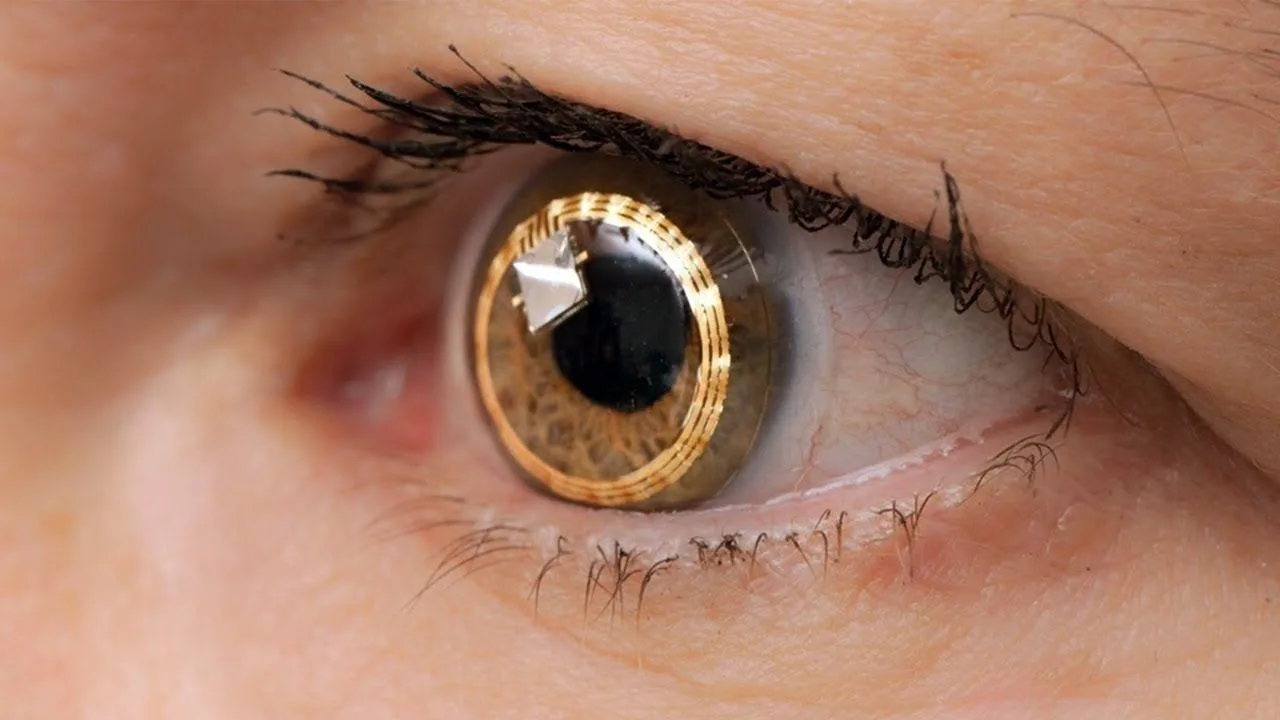
Treatments for the lens vary with the person and with the condition. Cataract and refractive errors are treated according to their type. Cataract surgery is carried out for cataract, while glasses, lenses and laser treatment are applied for refractive errors. In some situations artificial lenses can even be fitted in place of the eye's own lens. Some of the methods that can be used in treating conditions of the lens are:- Laser eye surgery
- Lens surgery
- Contact lens and glasses
Frequently Asked Questions
- 1
Where is the lens of the eye and what does it do?
The lens of the eye is a transparent structure lying between the iris, the coloured layer at the front of the eye, and the vitreous body at the back. It refracts light so that it focuses on the retina, and it is able to change its shape so that we can look at nearby objects in particular. - 2
What causes clouding of the lens (cataract)?
Cataract generally forms as the proteins in the lens break down with age. Heavy exposure to UV light, diabetes, trauma to the eye, long-term use of certain medicines and genetic factors can also increase the risk. Rarely, babies can be born with cataract. - 3
What are the symptoms of cataract?
The most common symptoms are blurred or misty vision, colours looking faded, increased sensitivity to bright light, difficulty with night vision and the pupil gradually taking on a grey and white appearance. These symptoms generally advance slowly. - 4
How is the lens of the eye treated?
Treatment varies with the type of condition. Refractive errors at an early stage can be corrected with glasses or lenses. In cataract, surgery is needed: the clouded lens is removed and an artificial intraocular lens (IOL) is placed in its position. This operation is very safe and successful today. You should always consult your ophthalmologist about your own situation. - 5
What should I do to protect the health of my lens?
Wearing sunglasses with UV protection, not smoking, eating a balanced diet rich in antioxidants, attending regular eye examinations and keeping systemic conditions such as diabetes under control all matter in protecting the health of the lens. - 6
Is cataract surgery risky?
Cataract surgery is one of the most frequently performed and safest operations today. With modern techniques the complication rate is very low. As with every surgical procedure, however, rare risks such as infection, bleeding or a rise in the pressure within the eye can be seen. Your doctor will explain all the details before surgery. - 7
Does everyone develop cataract with age?
Ageing is the most important risk factor for cataract, and cataract of varying degrees is seen in the great majority of people over sixty. That does not mean everyone will develop cataract at a level requiring treatment, however. In some people it stays very mild and does not affect daily life. - 8
Can the lens of the eye renew itself?
No, the fibres inside the lens are not renewed. Only the thin layer of epithelium at its edge produces new fibres throughout life, while the old fibres gather and age at the centre. Over time this reduces the elasticity of the lens, which causes presbyopia (difficulty seeing up close), and the lens can also become cloudy, which is cataract. - 9
Can children have problems with the lens?
Yes, although it is rare, children can be born with cataract or lens problems can develop in childhood. Infections the mother has had during pregnancy, genetic factors and metabolic conditions can all lead to this. Early diagnosis and treatment carry critical importance for the development of the child's vision. - 10
Do glasses or contact lenses harm the lens of the eye?
No, wearing glasses or contact lenses does not harm the lens. On the contrary, correcting refractive errors allows the eye to work more comfortably. It matters that contact lenses are worn according to the rules of hygiene, however, or the risk of infection on the surface of the eye rises.