




Eye Diseases
How is an Eye Injection Given?
- Kudret Eye Istanbul
- Last updated:
- 7 min read
- Medically reviewed by Op. Dr. Mehmet Ali Özdil
The procedures carried out in treating eye conditions develop and diversify by the day. Questions such as how an eye injection is given, also known as an intraocular injection, and what its effects are, are looked into by people who want to benefit from the technique.
An intraocular injection is the name given to injecting medication directly into the eye in certain eye conditions. Through this method, treatment for eye conditions gains pace. It is the treatment used most commonly in macular degeneration, in retinopathy arising with diabetes and in occlusion of the retinal vessels.
This treatment is generally used for macular degeneration, which forms as the structure of the eye changes and deteriorates with age. It is also used to treat macular oedema, including the oedema caused by blockages of the retinal vessels, and to slow the progression of conditions such as macular degeneration for which there is no complete cure.
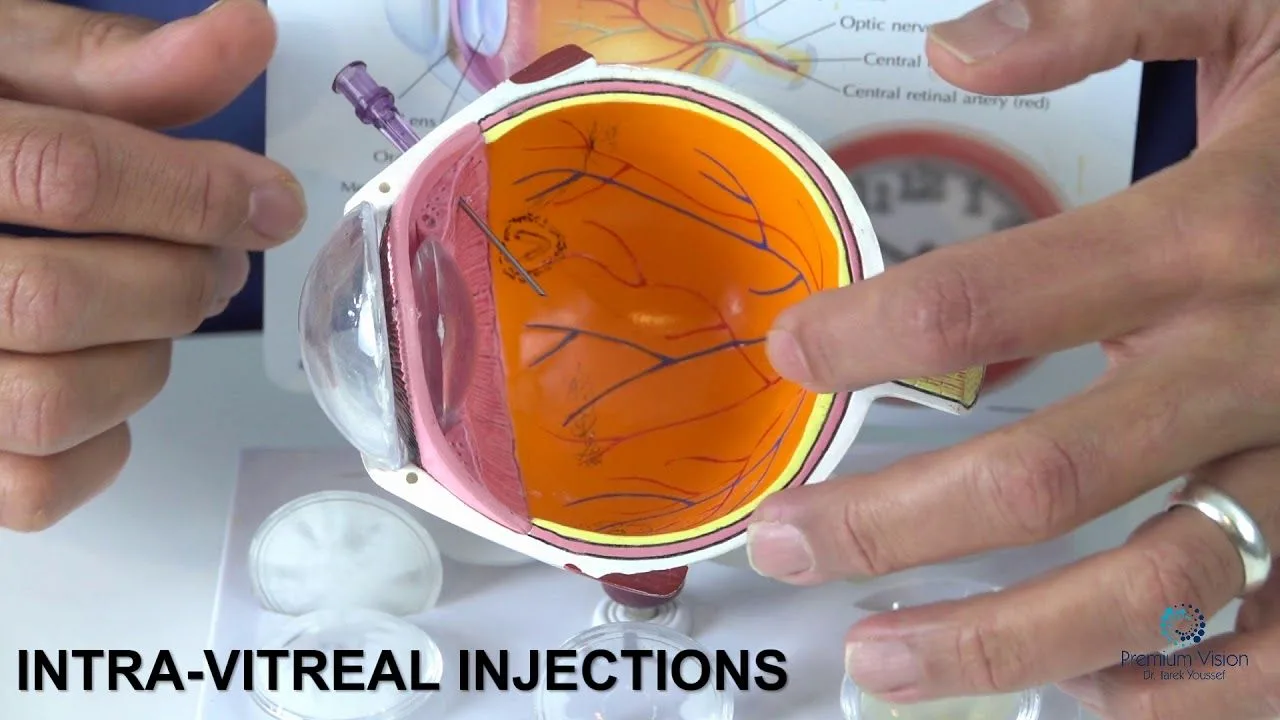
Treatment takes place in a fully sterile environment. Local anaesthesia is applied to the eye and medication is then injected into it with a special needle. The procedure is very quick and usually causes little pain, although some patients feel a degree of pressure.
The medicines used in intraocular injection treatment are:
- Newly developed biological medicines
- Anti-VEGF medicines
- Corticosteroid medicines
Effects of Eye Injection Treatment
This treatment is generally very simple and straightforward. The effects of eye injection treatment are very rapid. Because it is applied so that a particular area is affected directly, it takes effect very quickly. The treatment may need to be repeated over several sessions or over time, however. After treatment, daily life and normal activities can generally be resumed immediately. A mild feeling of discomfort or redness in the eye following the injection is normal. The most common side effect of this treatment is a slight rise in the pressure within the eye. In some situations blurred vision, bleeding and infection can also be seen. These possibilities are low probability risks that can be met with any procedure. Intraocular injection treatment is carried out to prevent sight loss, to reduce leakage from the vessels and oedema in the macula, to suppress abnormal vessel formation and, in some situations, to prevent conditions from advancing. Whether the treatment is repeated varies with the patient and with the condition.Why is an Eye Injection Given?
Although it sounds frightening to people at first, it is in fact a very straightforward procedure. It is used frequently in the bleeding that occurs in macular degeneration and in conditions linked to diabetes. Questions such as why an eye injection is given and how it is carried out are among those asked most often. Before the procedure the eye is always cleaned with an antiseptic solution and local anaesthesia is applied. The injection is given through the white part of the eye, slightly to the side of the coloured part, the iris. It takes a few seconds and usually causes only a feeling of pressure. The eye injection is among the most current methods used in retinal treatment. Methods such as ointments and drops applied to the outer surface of the eye unfortunately do not reach the back of it: they affect only conditions occurring in the outer layer. An injection, by contrast, reaches the back of the eye. In treating certain conditions, medication is applied directly to the area or through a vein. Intraocular injection is among the most effective interventions carried out for the eye. In recent years the medicines used in these injections have become more effective and more powerful. They are applied frequently in vascular occlusion within the eye, in diabetes and in macular degeneration.When is an Eye Injection Given?
Questions such as when an eye injection is given, or why it is considered necessary, are frequently put to doctors by people with eye conditions. The procedure is not applied for every condition. The conditions in which eye injections are used are:- Vascular occlusion: blockage and swelling of the vessels can be seen within the eye and in the centre of vision for reasons such as high blood pressure, diabetes and hardening of the arteries. The medicines injected through an intraocular injection do not open the blocked vessel; they reduce the leakage and swelling it has caused and help preserve vision.
- Macular degeneration: macular degeneration is among the conditions that come with age. Certain lesions form that cause bleeding in the centre of vision. With the help of these injections the lesions are dried and the bleeding halted. Because there is no complete cure for macular degeneration, injections are used to slow its progression.
- Diabetes: diabetes can lead to diabetic retinopathy and diabetic macular oedema, and in some advanced cases situations affecting the pressure within the eye can also be seen. Irregular blood sugar damages the blood vessels and can lead to bleeding within the eye. Intraocular injections are used so that bleeding and oedema occurring in the centre of vision are cleared promptly.
Advantages of Eye Injection Treatment
The advantages of eye injection treatment take effect very rapidly where the period after treatment is observed carefully, because the greatest advantage of this treatment is how quickly it works. Where an injection is used in treating conditions arising from diabetes, patients are always advised to see a doctor afterwards so that their blood sugar can be regulated. Blood pressure should also be balanced and precautions taken for other conditions affecting it. After the injection, contact should always be kept with the ophthalmologist and a doctor consulted again where anything unexpected occurs. The first five days after the injection matter a great deal and should be observed. Injections must always be carried out in sterile environments and by specialist doctors.Disadvantages of Eye Injection Treatment
The disadvantages of eye injection treatment are in fact the situations that can occur with any treatment. Although this method is extremely reliable, certain complications can develop. Those complications are of course very rare. The areas where eye injections take place must always be sterile. The procedure must not be carried out with bare hands. The most important situation that could cause a complication during this procedure is bacteria entering the eye during the injection. Using antiseptic drops beforehand reduces that risk considerably. The person receiving the procedure must have no infection or bacteria in their eye. Where there is, it is treated first and the procedure then applied. Every step must be followed carefully by the ophthalmologist. Because this procedure is generally applied as an injection into the eye, it takes a very short time.Frequently Asked Questions
- 1
Does an eye injection hurt?
Most people describe more of a feeling of pressure during the procedure, which generally takes a short time. Sensitivity can vary from person to person. - 2
Is it normal for my eye to become red after the injection?
Mild redness, stinging and a small bleed on the white of the eye are common and generally settle quickly. Where there is severe pain or a decline in vision, a doctor should be consulted. - 3
How many sessions are needed?
This varies with the condition and with the OCT and examination findings at follow-up. In some conditions the injection needs to be repeated at regular intervals. - 4
Does an eye injection open a blocked vessel?
The aim is generally not to open the blockage but to reduce the oedema it has caused and to preserve vision. Your doctor may also recommend assessment for the underlying causes, such as blood pressure and cholesterol. - 5
When should I see a doctor urgently?
Severe pain, rapidly increasing redness, a marked decline in vision, the sense of a curtain or veil, heavy sensitivity to light or discharge are not regarded as normal and call for urgent assessment. Symptoms of Retinal Thinning