




Eye Diseases
What is a Chalazion (Eyelid Cyst)?
- Kudret Eye Istanbul
- Last updated:
- 6 min read
- Medically reviewed by Op. Dr. Mehmet Ali Özdil
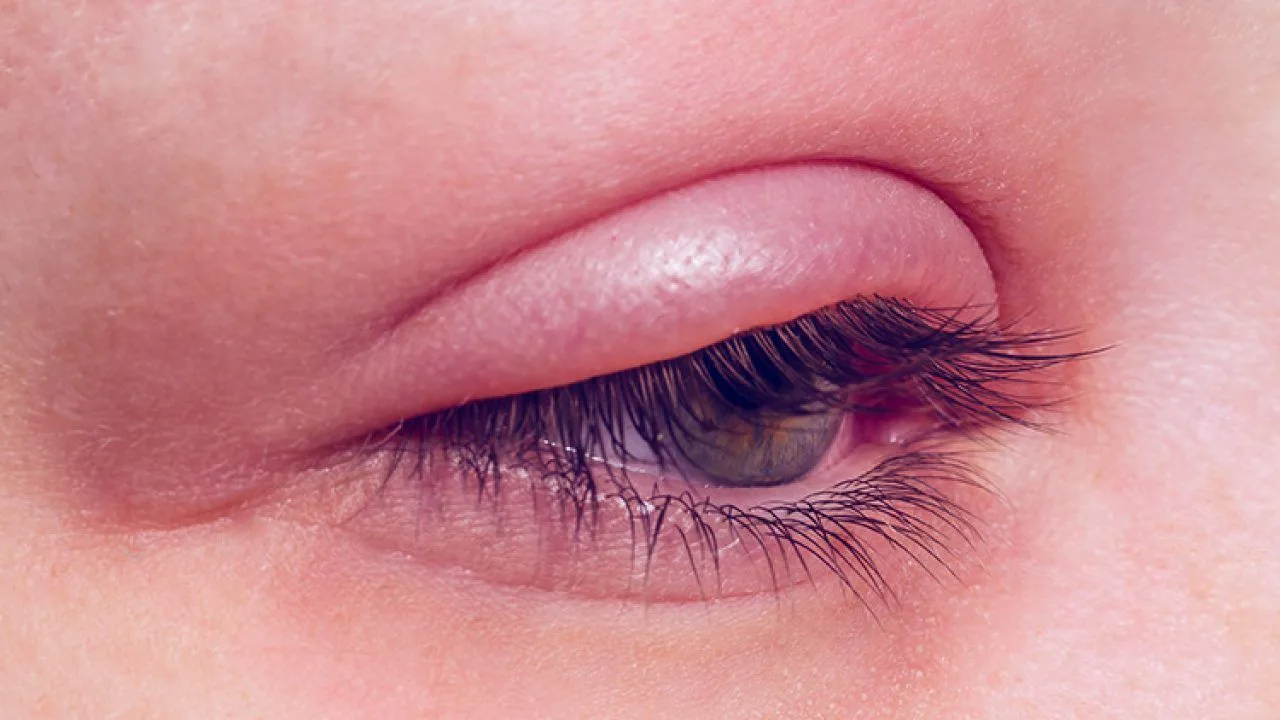
The question of what a chalazion (eyelid cyst) is falls among those asked most by people who meet this situation. A chalazion resembles a stye in appearance. The term is used to describe the swelling that occurs as the oil glands in the eyelid become blocked.
Blockage of the oil glands in the eyelid causes inflammation in the area. Because a swollen eyelid may no longer open fully, it obstructs vision as well. Although it can resolve with methods applied at home, with massage and with a warm compress, seeing a doctor always matters. If the condition advances, surgery may be needed.
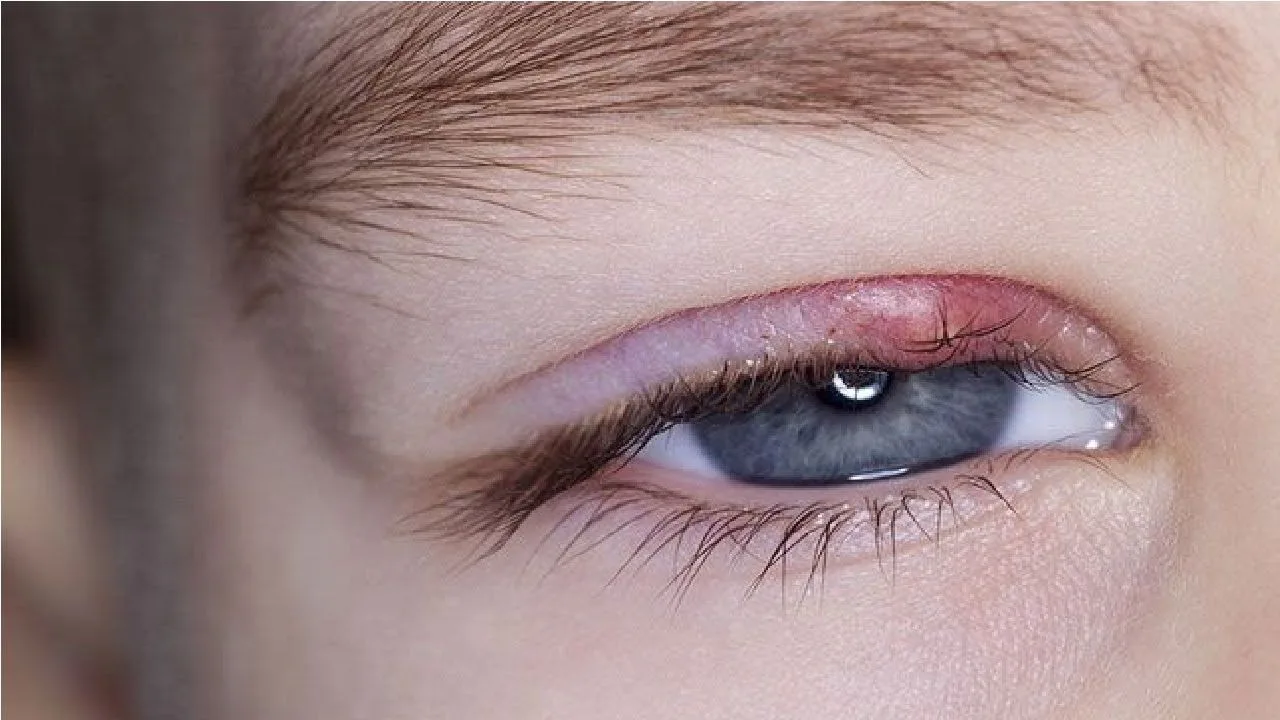
The eyelid cyst called a chalazion is the name given to a red and painless swelling forming in the eyelid. It forms as the oil glands within the eyelid (the meibomian glands, which lie in the tarsal plate) become blocked. Commonly seen, this condition generally appears in the upper eyelid. A chalazion is not an infection; it is caused by the blockage of the gland.
It also matters to know the difference between a chalazion and a stye, which is also known as a hordeolum. A stye is a painful swelling generally forming in the eyelid or at the base of the lashes. Generally described as a bacterial eye infection, a stye has two different types, called an internal stye and an external stye. A chalazion, by contrast, is a problem occurring as the oil glands in the eyelid become blocked and swell. Telling these two situations apart can sometimes be difficult. The differences between them can be listed as follows:
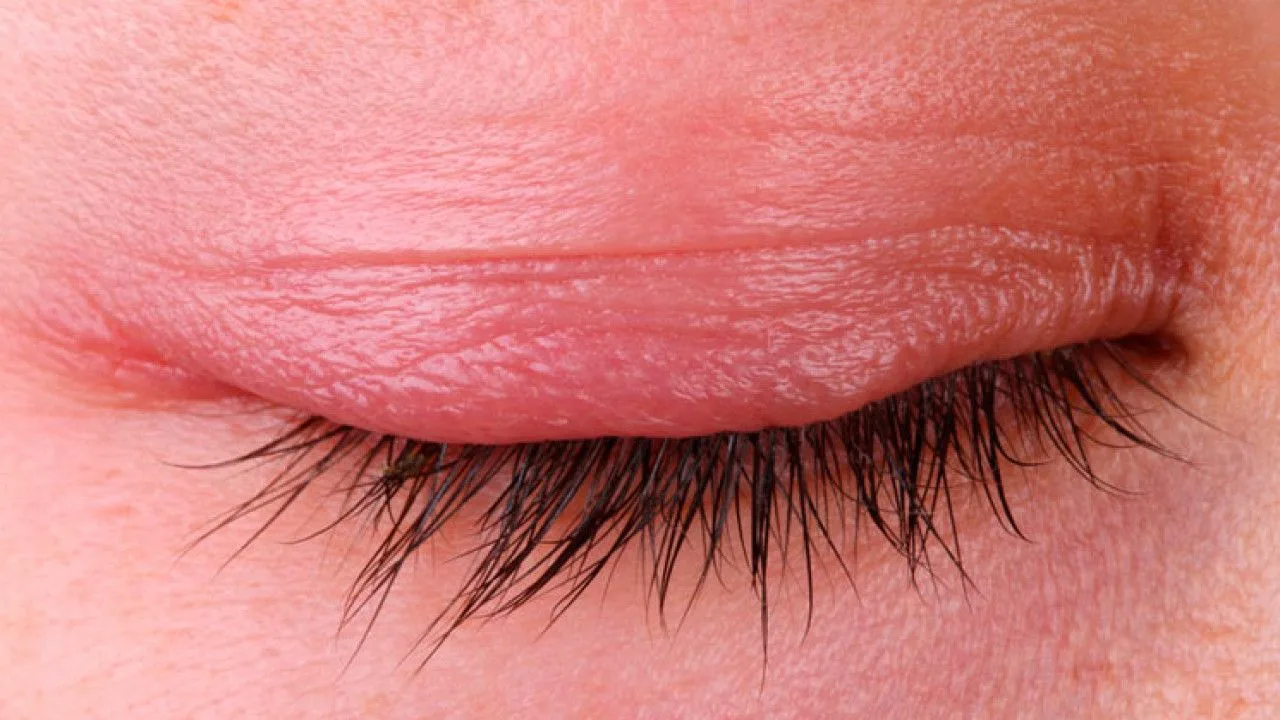
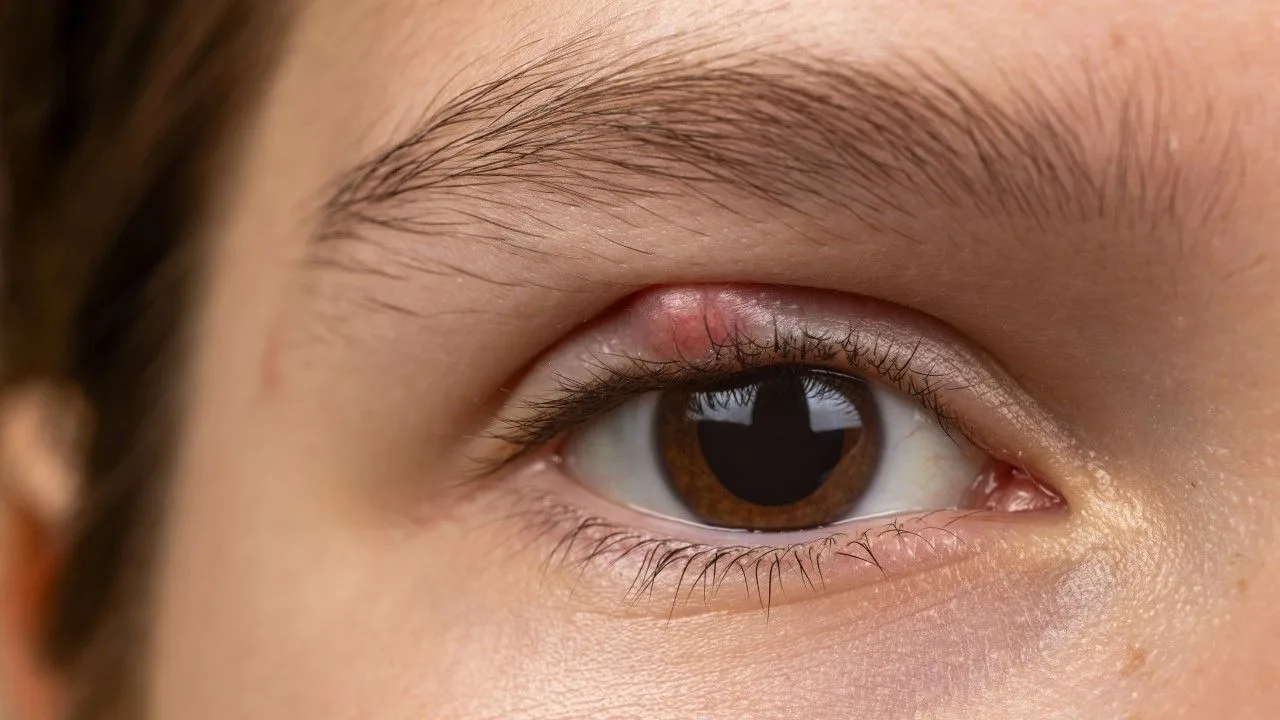
- In a stye there is swelling and pain in the eye, while in a chalazion there is generally no pain.
- A stye forms as the roots of the lashes become infected, while a chalazion occurs as the oil glands in the eyelid become blocked.
- A stye generally forms at the edge of the eyelid, while a chalazion can also be seen in the middle of the eyelid.
- A stye can affect the whole eyelid, whereas that is quite rare in a chalazion.
How Does a Chalazion Form?
It matters to know the answers to questions such as how a chalazion forms and how to guard against it. A chalazion is the name given to the swelling that forms because the oil glands in the eyelid have become blocked. Conditions such as inflammation of the eyelid (blepharitis), rosacea and seborrhoeic dermatitis make it more likely. These oil glands are an important structure in protecting the eyes and keeping them moist. A chalazion forms because the oil glands become blocked or because too much oil is produced. Some of the conditions that lead to a chalazion forming can be listed as follows:- Rosacea: this is a skin condition occurring on the face. As well as causing a good deal of inflammation on the face, its effects can spread to the eyelid.
- Seborrhoeic dermatitis: occurring on the scalp, this is a skin condition calling for a good deal of care. Because it affects the face, the eyelids, the ears and the rest of the face, it can cause blockages in these areas.
- Inflammation of the eyelid (blepharitis): quite commonly met, this inflammation of the lid margin can lead to the oil glands in the eyelid becoming blocked.
Symptoms of a Chalazion
The symptoms of a chalazion are observed quite easily. A chalazion shows itself through a firm swelling on the eyelid that is generally painless. The other symptoms are these:- Redness of the eyelid as the cyst grows
- Swelling, with tenderness at first
- Blurring of vision
- Watering or dryness of the eye
- Pain and redness where there is infection
- Swelling of the whole eyelid
Diagnosis and Treatment of a Chalazion
The diagnosis and treatment of a chalazion matter so that the condition does not cause further problems. The diagnosis is made through assessments carried out in a clinical setting. Beginning treatment early matters so that the condition does not advance. In treating a chalazion, methods applied at home are generally used. Those methods are:- Make-up: while an eyelid cyst is being treated, it matters that no make-up is applied to the area. Make-up products block the pores further and can delay treatment of the condition.
- Applying a warm compress three times a day allows the blocked oil glands to open. Once the blockage has cleared the eye is relieved and the swelling disappears over time.
- Massage should be carried out in the way the doctor recommends. It should be applied gently, without placing too much pressure on the area.
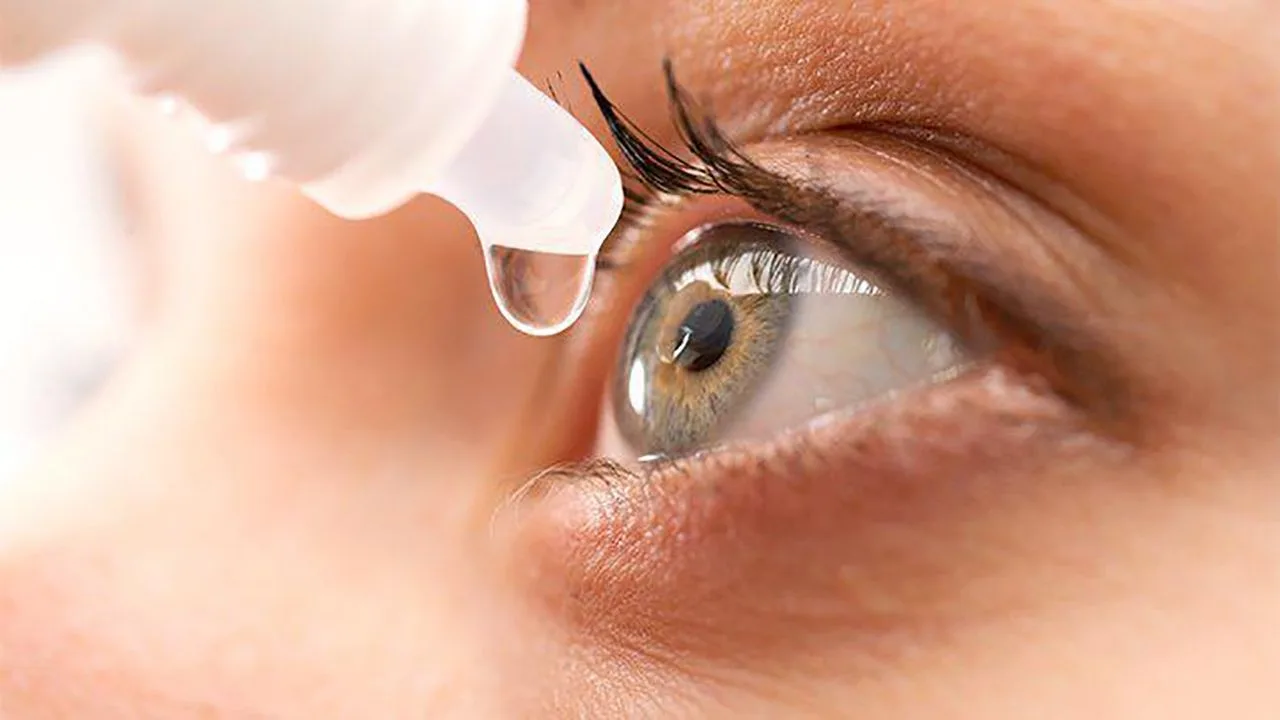
- Eye drops and ointments allow the inflammation in the area to ease and the blocked glands to open. Although medication is generally not needed, where its use is recommended it should be used regularly.
Frequently Asked Questions
- 1
What causes a chalazion?
It forms as the oil glands in the eyelid become blocked and the oily secretion builds up. - 2
Does a chalazion resolve by itself?
Some small chalazia can resolve by themselves within two to four weeks. Where one grows or recurs often, however, a doctor should be consulted. - 3
How does it differ from a stye?
A stye arises from infection and is painful, while a chalazion generally involves no infection and is painless. - 4
Is surgery needed?
In most cases it is not. If the cyst grows and obstructs vision, however, it can be removed with a small surgical procedure. - 5
Does a chalazion recur?
Yes, it can recur, particularly where eye hygiene is not attended to or where there is inflammation of the eyelid (blepharitis). What Do Blue Light Filter Glasses Do and Are They Necessary?