




Eye Diseases
How to Protect Your Eye Health
- Kudret Eye Istanbul
- Last updated:
- 6 min read
- Medically reviewed by Op. Dr. Mehmet Ali Özdil
Protecting eye health and protecting quality of life are almost the same thing. Eye health is one of the factors that affects quality of life directly. It matters a great deal in sustaining life and in enjoying it, because more than half of our impressions come through the sense of sight, while the other half are fed by senses such as taste and smell.
There are many things to observe in order to protect eye health and look after the eyes well. The number of people with eye problems rises by the day. The most basic reason is that the time we spend with technology has increased and we are drifting gradually away from healthy habits. So what should be observed?
Which Foods Should Be Eaten for Eye Health?
The foods to eat for eye health are products that affect not only the eyes but the body positively. Through them the eyes are protected and the conditions that could otherwise form are prevented. Thanks to the vitamins in these foods, the functions of vision are strengthened, and in strong and healthy eyes the risk of conditions appearing falls. Although these foods are healthy, eating them regularly and in measured portions matters a great deal. They can be listed as follows:- Fish: the omega 3 acids in fish are very important for eye health. Eating salmon, tuna, mackerel, sardines and trout at the right time and in the right portions has a great effect on eye health.
- Carrots and orange vegetables: high in vitamin A, carrots have a great effect on eye health. Fruits such as sweet potato, mango, apricot and melon also help the eyes to adapt to darkness, which makes you more alert while walking or driving at night.
- Broccoli: another product to eat for eye health is broccoli, because it is rich in vitamins A, C and E.
- Eggs: a product high in protein. They also contain lutein, zeaxanthin and zinc, which support the health of the macula.
- Citrus fruits: because of the vitamin C in citrus fruits such as oranges and grapefruit, they protect the eyes against the damage UV light can cause. Vitamin C, which affects eye health positively, is present in citrus fruits in abundance.
Which Foods Affect Eye Health Badly?
People generally ask which foods are good for eye health. Alongside foods that are good for it, however, there are foods that have a negative effect. This should not create the impression that these foods must never be eaten, but they should be eaten in the right portions and without excess. The foods that can affect eye health badly when eaten in excess are:- Bread and pasta: with age in particular, the risk of health problems in the eyes rises. White bread and pasta products are among the favourite foods of conditions such as macular degeneration.
- Fried food: fried products made with trans fats lead to high cholesterol and diabetes. As those conditions advance they harm eye health.
- Processed foods: products such as sausage, salami and cured meat contain high levels of sodium because of their processing. Sodium can raise the risk of eye problems such as cataract and macular degeneration.
How Many Hours of Sleep Do the Eyes Need?
Resting the eyes matters a great deal in protecting eye health, and the only period in which they rest properly is during sleep. Where sleep is irregular and its quality is low, situations such as dryness, itching and redness of the eyes can be met, alongside heightened sensitivity to light. Resting the eyes matters a great deal both for quality of life and for eye health. A sleep routine of six to eight hours a day is therefore important. In adults, an average of around seven hours is generally enough for both the body and the eyes to rest. Where the eyes do not get enough rest, dry eye, redness and eye strain can increase.Using Technology and Eye Health
The use of technological devices should always be limited to certain periods for the sake of eye health. In children at a developmental age in particular, limits should be set on the hours spent with these devices. Where they are not, risks such as refractive errors, difficulty seeing clearly and needing glasses can appear over time. The same risk exists in adults, although it is not possible to give an exact number of hours. Where screen exposure is high because of work, a person should always rest their eyes by looking at something distant for twenty seconds every twenty minutes. After working hours they should stay away from phones, televisions and tablets as far as possible and rest their eyes.
How Often Should Eyes Be Examined?
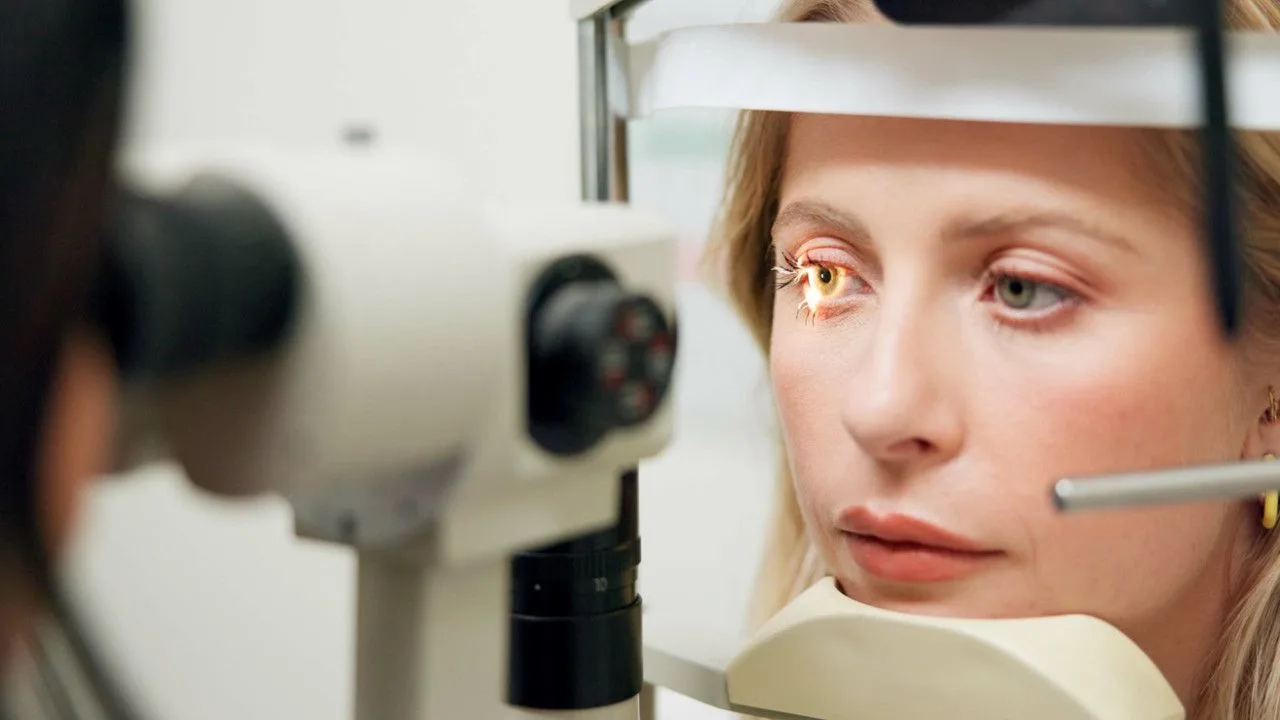
Healthy adults should have an eye examination every 2 years up to the age of forty and once a year after forty, and more often if glaucoma runs in the family. Through it, even where there is an eye problem, a diagnosis can be made in advance and a treatment plan carried out promptly, which helps to address the risk before it grows and leaves permanent damage. The frequency of eye examinations can in some situations be every six or every three months. The people in this group are generally those who wear glasses or lenses, or who have serious conditions such as glaucoma. It matters a great deal for their eye health that they attend check-ups as often as their doctor recommends. Most eye conditions can be prevented from causing permanent sight loss if they are noticed at an early stage. Routine check-ups therefore matter a great deal.Frequently Asked Questions
- 1
What should be done to protect eye health?
Eating a balanced diet, sleeping enough, limiting screen time and attending regular eye examinations. - 2
Which vitamins matter for eye health?
Vitamins A, C and E, along with zinc and omega 3 fatty acids, support general eye health as part of a balanced diet; however, no supplement can repair an optic nerve that has died. - 3
Which foods are beneficial for eye health?
Fish, carrots, spinach, eggs, walnuts, broccoli and citrus fruits are all eye-friendly foods. - 4
Which foods affect eye health badly?
Heavily fried food, white bread, processed meat products and foods high in salt are all harmful. - 5
How many hours of sleep are needed for eye health?
In adults an average of seven hours of sleep is ideal for resting the eyes. - 6
Does lack of sleep affect eye health?
Yes. Lack of sleep can lead to dry eye, itching and blurred vision. - 7
Does computer use damage the eyes?
Long periods of screen use cause eye strain and dryness; look into the distance for 20 seconds every 20 minutes. - 8
How is dry eye prevented?
Reducing screen time, drinking enough water and, where needed, using artificial tear drops all help. - 9
Are sunglasses necessary for eye health?
Absolutely. Glasses with UV protection guard against the sun's harmful rays. - 10
Are there exercises for eye health?
Changing focus, and moving the eyes from side to side and up and down, relax the eye muscles. - 11
How often should an eye examination be carried out?
Every 2 years up to the age of forty and once a year after forty in healthy individuals; more often if glaucoma runs in the family or glasses or lenses are worn. - 12
What should be observed after eye surgery?
The drops the doctor prescribes should be used regularly and the eye should not be rubbed in the first days.