




Eye Diseases
How Long Does a Stye Take to Heal?
- Kudret Eye Istanbul
- Last updated:
- 5 min read
- Medically reviewed by Op. Dr. Mehmet Ali Özdil
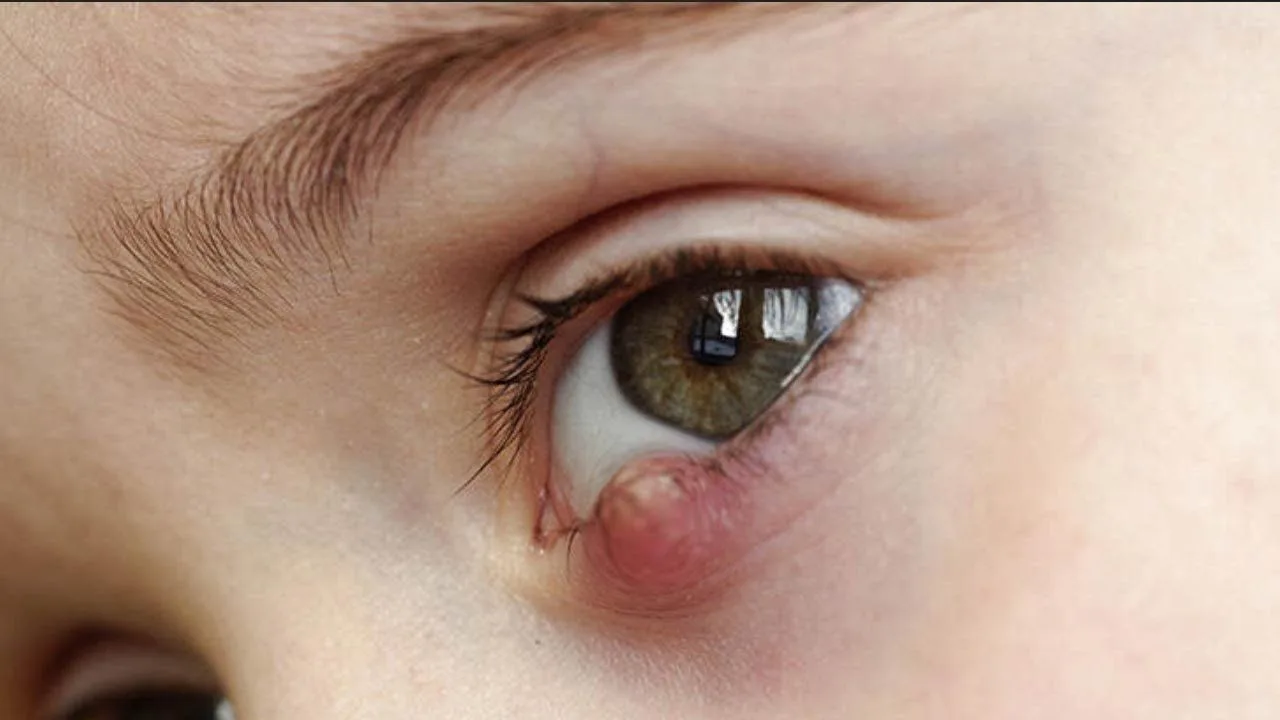
A stye is something most people go through at least once in their lives. A stye usually clears within a few days to 1-2 weeks. If it lasts longer than 2 weeks, a doctor should always be consulted, and the course of treatment is planned following their examination.
Depending on the state of the eye, antibiotic drops may be used during treatment. Ointments may be applied externally, and where the infection is widespread a stye is treated with antibiotics taken by mouth.
The answer to how long a stye takes to heal is usually a few days to 1-2 weeks. If it lasts longer than 2 weeks, an examination is needed. Throughout treatment it is very important to keep the area of the stye clean and to apply warm compresses.
What is a Stye?
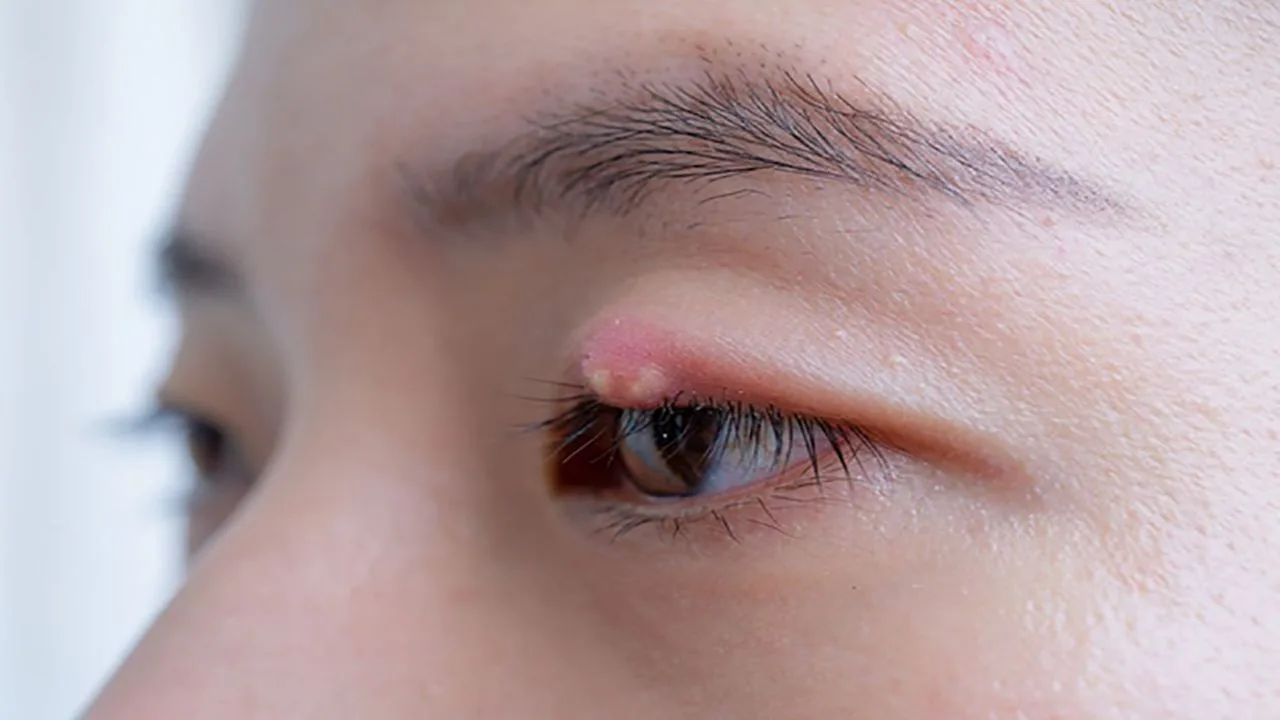
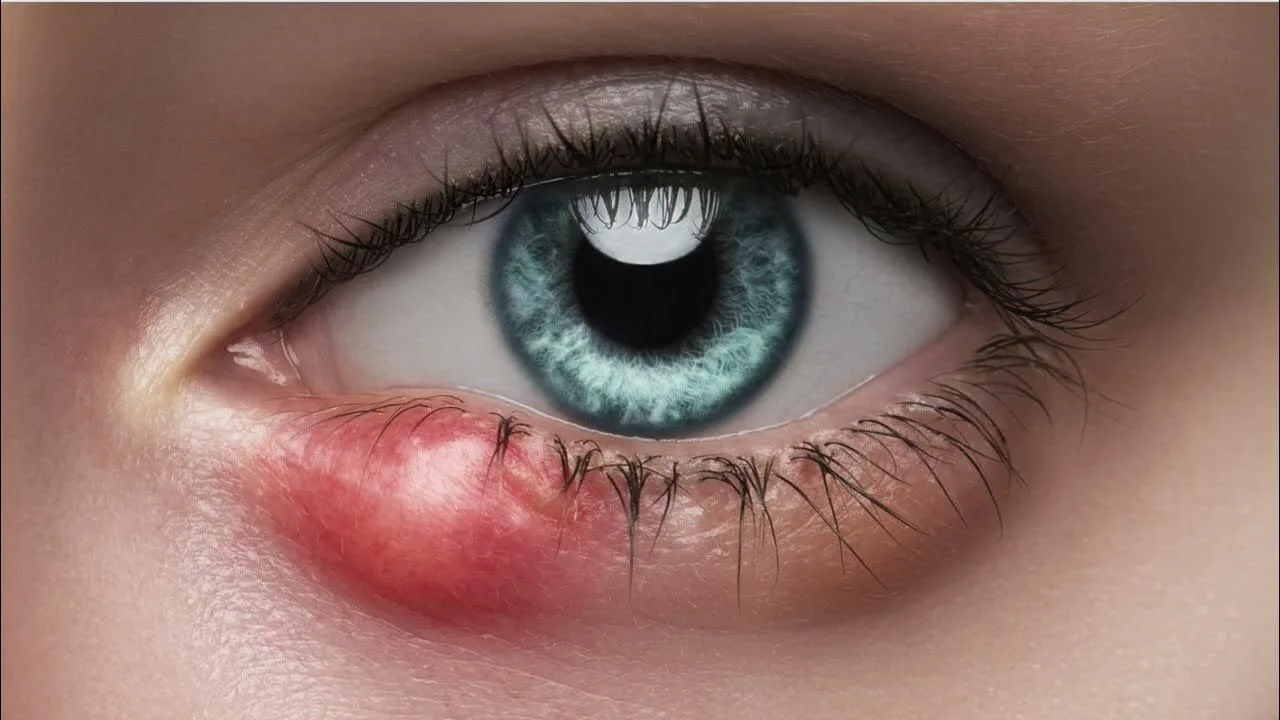
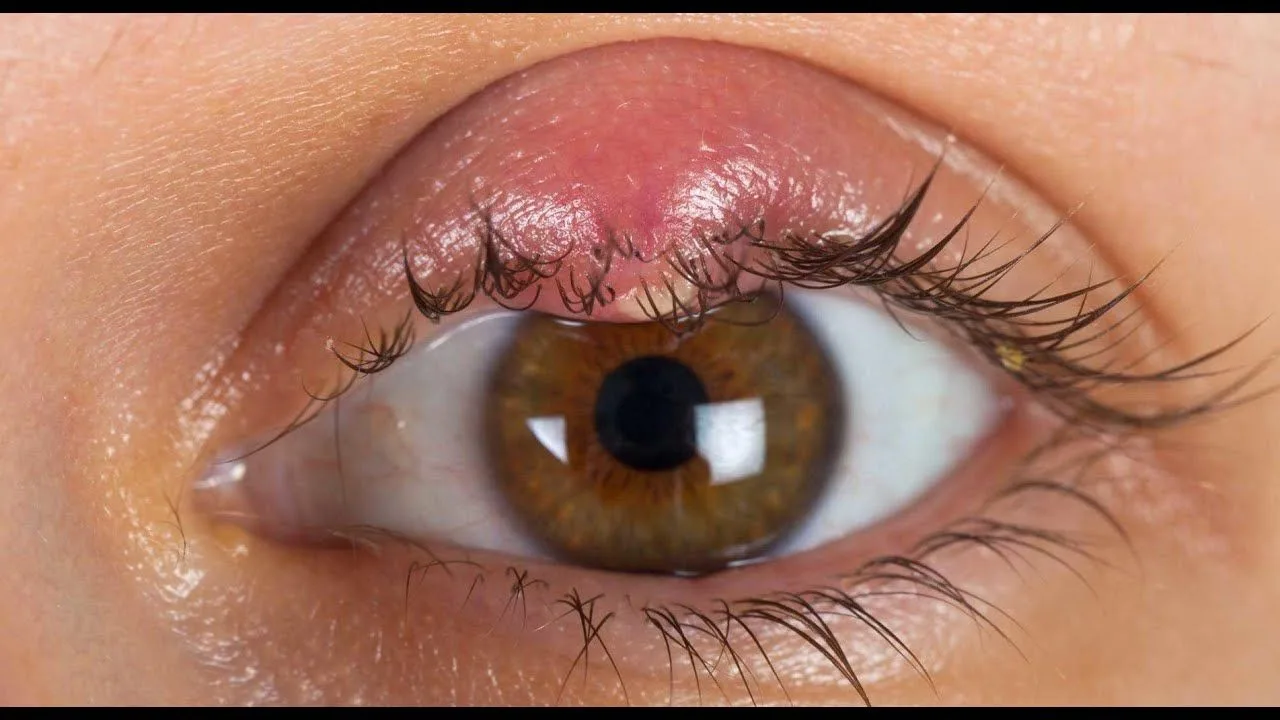
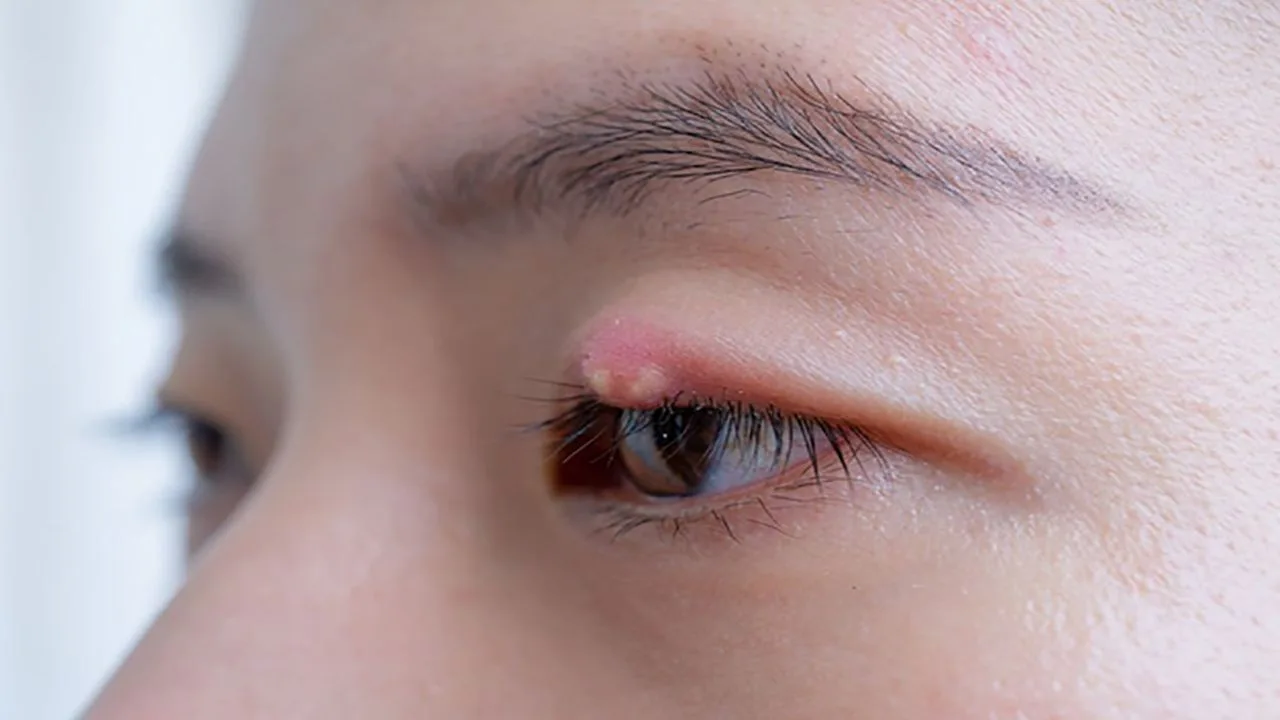
A stye can be described as an infection of the oil glands within the eyelids that help to produce tears. It is met in many people, generally through a lack of personal care, and it is uncomfortable both aesthetically and because of its symptoms. A stye generally appears as a spot-like swelling on the eyelid or at the base of the lashes. Alongside it come symptoms such as redness, swelling, and pain or stinging in the eyes. The condition usually improves within a few days to 1-2 weeks of the stye appearing. Where it does not improve, however, a doctor should be consulted. Using antibiotic creams during this period and keeping the area clean speed up recovery.
Types of Stye
Styes fall into two types, internal and external. They form as follows:- External stye: this is seen more frequently. It appears more often where eye hygiene is neglected and generally forms at the base of the lashes. It is an inflammation of the lash follicles or the oil glands.
- Internal stye: this is an infection of the oil (meibomian) glands within the eyelid. Its symptoms generally include redness, tenderness, swelling, a stinging sensation and pain in the upper part of the eyelid.
What Are the Symptoms of a Stye?
Almost everyone has had a stye at least once. People who have never had one, or who are experiencing one for the first time, look into the symptoms of a stye and how long it takes to heal. Recovery usually takes a few days to 1-2 weeks. The symptoms are as follows:- A spot-like swelling filled with pus forming on the eyelid
- The centre of that swelling turning yellow
- Redness and swelling around the eyelid, with warmth felt on touching it
- Dryness and crusting of the eyelid
- Redness forming in and around the eye
- Tenderness of the eye and a stinging sensation
- Watering of the eyes
- Increased discharge
What Causes a Stye?
The answer to what causes a stye is inflammation of the oil glands in the eyelid. The most common reason for that inflammation is bacterial infection, and it generally appears where a person neglects hygiene. The other causes are:- Styes appear more often in people who have previously had a stye or a chalazion.
- Touching the eye and the area around it without washing the hands.
- Touching something else without washing the hands after touching the infected area.
- Sleeping without cleaning eye make-up thoroughly, particularly without cleaning the base of the lashes.
- Failing to disinfect make-up products, brushes or sponges regularly, and sharing them with others.
- Neglecting hygiene with contact lenses, or sleeping in them.
- Neglecting the disinfection of products such as silk or false lashes.
- Fatigue, severe lack of sleep, stress and situations where the metabolism is run down.
How Should a Stye Be Treated?
Treatment of a stye can generally be brought under control at first with methods applied at home. The person should apply a warm compress with a clean cotton pad or towel to the place where the stye has appeared, which reduces the inflammation and the symptoms. A warm compress should be applied for five to ten minutes, two to four times a day. Alongside easing the symptoms, this opens the blockages in the oil glands so that treatment can take place. If make-up products are the cause of the stye, the person should check what they are using: the hygiene of their products, their use-by dates and not sleeping in make-up at night. Make-up removal wipes and solutions produced specifically for the eyes should be used. If the symptoms of the stye do not clear despite the methods applied at home, and particularly if they worsen, a doctor should always be consulted. The stye can be brought under control with the drops or medication they prescribe.What to Pay Attention to if a Stye Appears
Unless something goes wrong, a stye clears within a few days to 1-2 weeks. So that it does not grow further and the situation does not worsen, however, there are things to pay attention to during this period. What to observe when a stye forms is as follows:- The eye should be touched as little as possible. Where it must be touched, the hands should always be washed with soap both before and afterwards. The towel used for drying should not be shared with anyone until the stye has cleared.
- Until the stye has healed, make-up should be avoided and no product applied to the area.
- No attempt should be made to squeeze the stye or to drain the pus within it. Doing so can spread the infection further and worsen the situation.
- Eye hygiene must be observed throughout.
- Warm compresses should be applied two to four times a day.
Frequently Asked Questions
- 1
Does a stye clear by itself?
Yes, it usually heals on its own within a few days to 1-2 weeks. If it lasts longer than 2 weeks, an ophthalmologist should be consulted. - 2
Is a stye contagious?
No, it is not directly contagious. If the rules of hygiene are neglected, however, the risk of the infection spreading rises. - 3
How is a warm compress applied to a stye?
You can dip a clean cloth in lukewarm water and hold it on the eyelid for five to ten minutes. This can be repeated two to four times a day. - 4
Do styes recur?
Yes, particularly where eye hygiene is neglected. Removing make-up and hand hygiene matter here. - 5
Are antibiotics needed for a stye?
Not always. In mild cases a warm compress is enough. If the infection spreads, antibiotics can be used on a doctor's advice. What Causes Bloodshot Eyes?