




Eye Diseases
How to Get Rid of a Stye
- Kudret Eye Istanbul
- Last updated:
- 6 min read
- Medically reviewed by Op. Dr. Mehmet Ali Özdil
People meeting a stye on the eye for the first time look for answers to how a stye clears, or what helps one. A stye generally appears from frequent hand contact with the eye, and its main cause is poor hygiene. Touching the eye constantly with dirty hands allows germs to settle there and inflammation to form. Failing to care for contact lenses properly, sleeping without removing make-up and neglecting hygiene can all lead to the same thing. General cleanliness of the face, through washing, matters as much as the cleanliness of the hand that touches the eye.
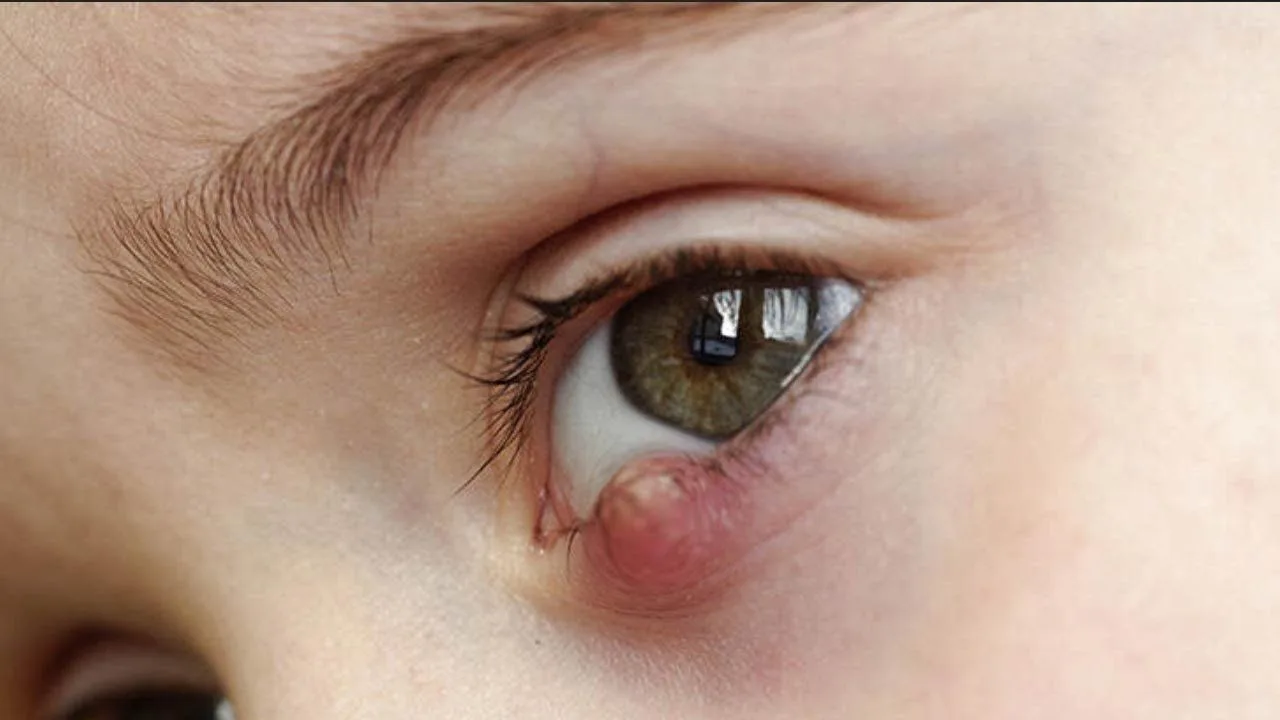
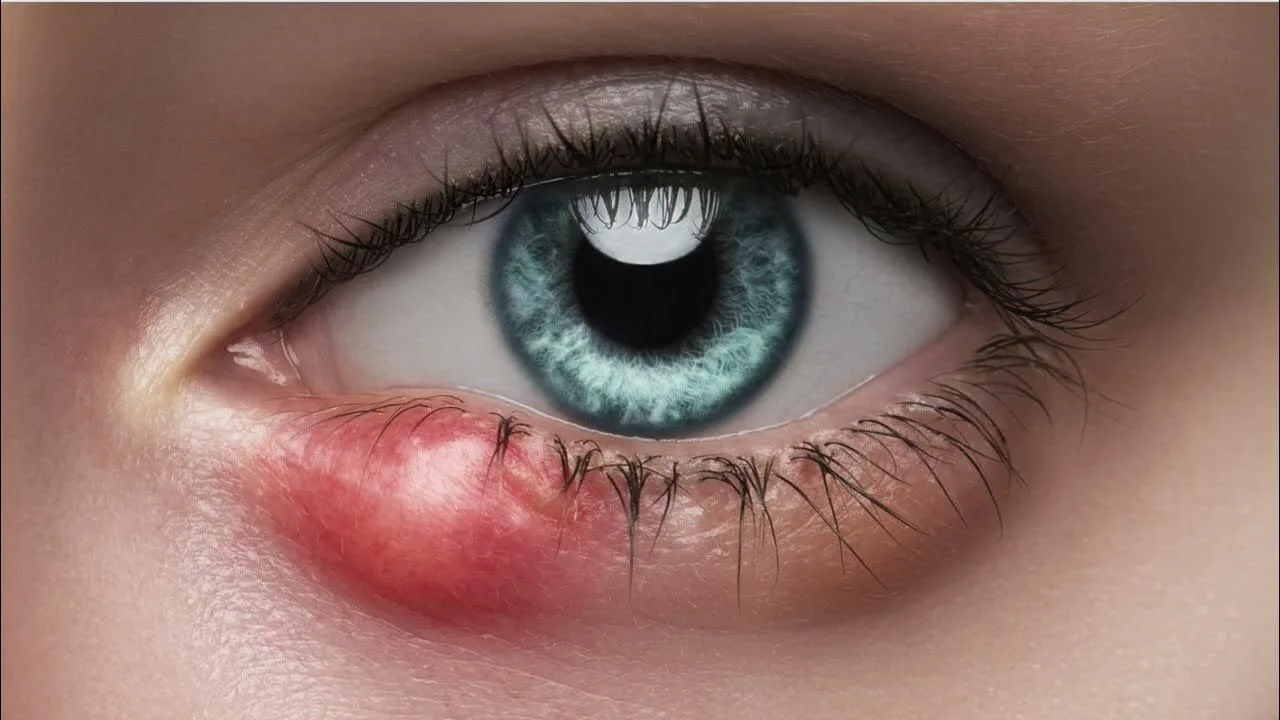
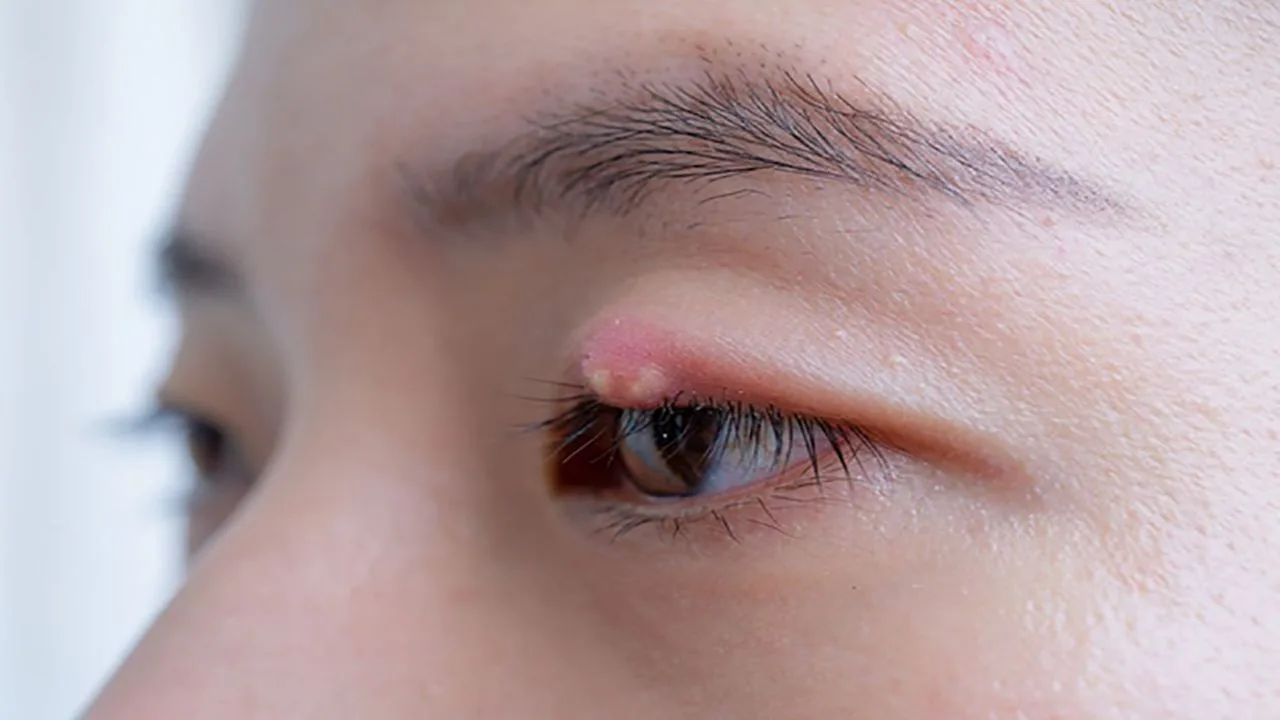
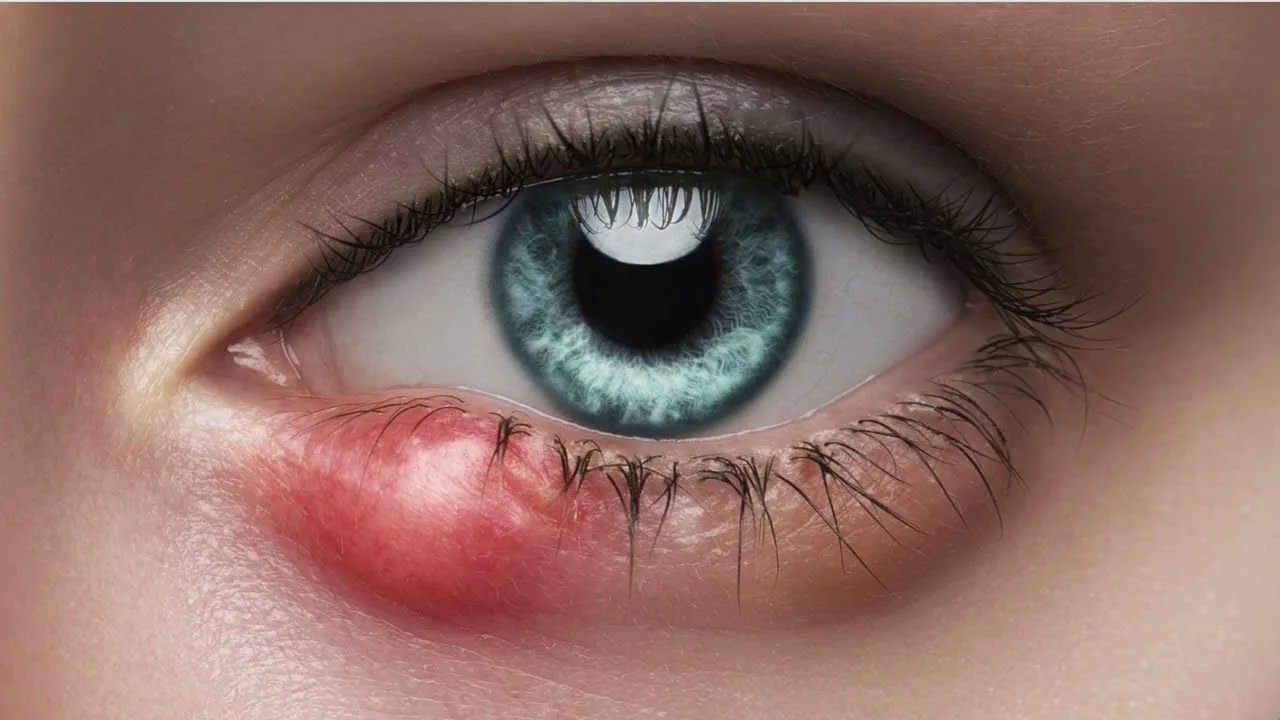
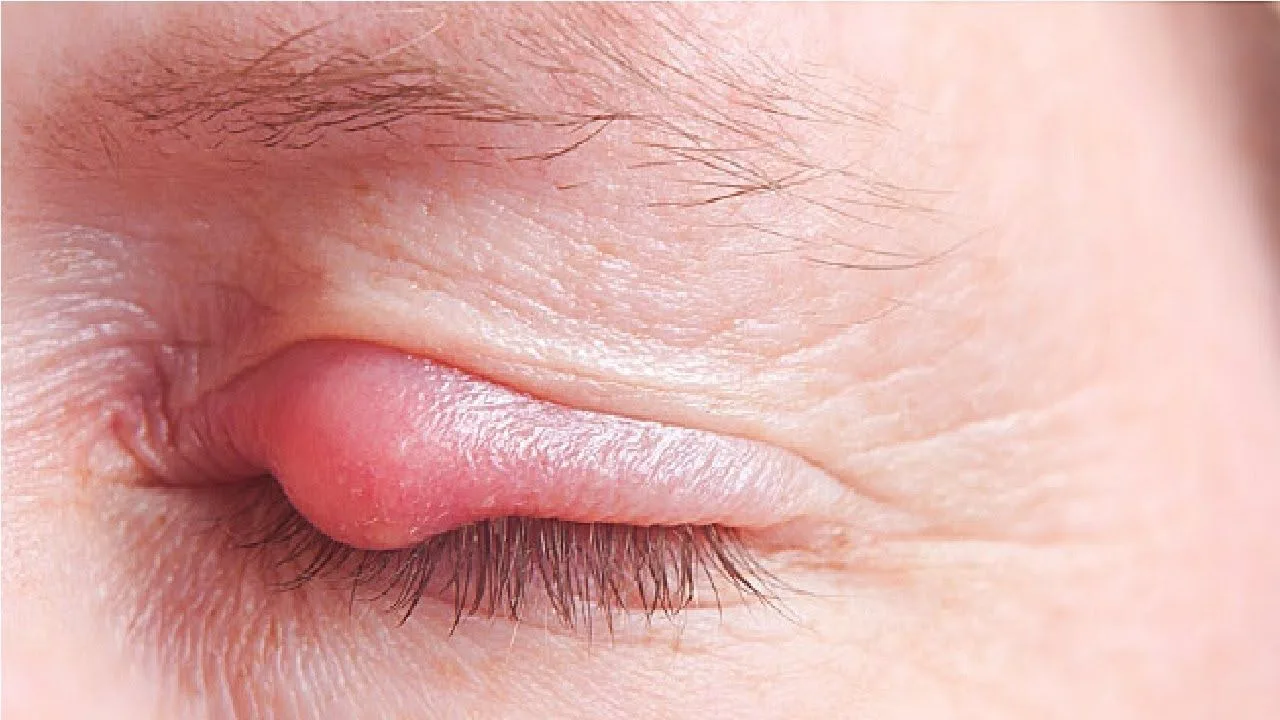
Alongside natural methods, a stye can be treated with antibiotics in advanced cases, although antibiotics should only be used on a doctor's advice. A stye appears as a result of inflammation or blockage of the oil glands at the edge of the eyelid. When the meibomian glands, which play a part in producing oil, become inflamed, the eyelid swells, and this is what a stye is. A stye generally takes the form of a red swelling or something resembling a spot.
How Does a Stye Form?
Questions such as how a stye forms matter a great deal in understanding its cause. The reason a stye appears on the eye is a bacterial infection. The staphylococcus bacterium generally blocks the oil glands in the eyelid and inflammation follows. The essential reason for that inflammation is touching the eye too much with the hands and neglecting hand hygiene. Because this causes a bacterial infection in the eyes, hand hygiene matters when inserting contact lenses too. Sleeping in make-up also blocks these glands and can cause infection. Because make-up blocks the pores, sleeping in heavy eye make-up can lead to inflammation of the eye. A stye can also form through a build-up of oil at the base of the lashes, which is why people with oily skin in particular should pay attention to facial hygiene and cleanse their skin regularly.Types of Stye
Styes can be examined in two forms according to how they develop. The clearest sign of a stye is swelling of the eyelid and redness of the swollen area. It can look just like a spot, or it can show itself purely as redness. There are two types of stye, internal and external:- A stye forming on the eyelid
- A stye forming at the base of the lashes
Symptoms of a Stye
The symptoms of a stye show themselves in many ways, but the greatest sign is swelling and redness of the eyelid. Forming like a spot as a result of infection, a stye generally follows an infection. It also shows itself through redness of the eye, pain, sensitivity to light, a feeling of pressure or of a foreign body in the eye, yellowish discharge, watering, stinging and crusting. The symptoms can generally be listed as follows:- A yellowish discharge of pus
- Redness and swelling of the eyelid
- A stinging sensation in the eye
- Pain and watering of the eye
- A feeling of heaviness in the eye and of a foreign body
- Crusting at the edges of the eyelid
- Becoming sensitive to light
Diagnosis and Treatment of a Stye
Diagnosing and treating a stye matters if the process is to end successfully. If a stye lasts longer than 2 weeks or the pain increases, seeing a doctor and establishing the extent of the infection is necessary. A stye is diagnosed by specialist ophthalmologists. Seen from outside, it can appear as a white-headed swelling, and the swelling is felt clearly during a manual examination by the specialist. Specialists examine the eye using the necessary instruments and magnifiers. The base of the lashes and the eyelid are checked, and the type of stye and how it formed are established. Treatment then begins. Treatment of a stye starts with a care routine applied to the eyelid, alongside a warm compress. Through this the blocked oil glands are opened and the inflammation cleared. The area is cleaned regularly with warm compresses and with baby shampoos that do not sting the eyes. It is made more hygienic by rubbing gently, either with a cotton bud or by hand. Massage at the base of the lashes should last five to ten minutes and should be gentle. The warm compress opens the blocked oil glands so that the cyst-like structure within them is expelled. Treatment is thereby accelerated and the patient is free of the infection more easily. Drops containing antibiotics are sometimes applied to the eye as well. Until the stye has cleared, no make-up should be worn on the eye and no contact lenses inserted. A stye is a condition that can be treated easily with a warm, not hot, compress. The procedure should be carried out gently for five to ten minutes. The oil glands in the eyelid open and relax through this, making it easier for the inflammation to be expelled, and ointments and drops can be used where a doctor recommends them. To prevent a stye forming, attention must always be paid to hygiene of the eye and the hands. Not sleeping in make-up and observing hygiene when wearing contact lenses are important. Even though a stye can clear by itself, it is a condition that may leave a mark, so if it lasts longer than 2 weeks or the pain increases, a doctor should be consulted and their instructions followed. Hygiene is the first factor in preventing it.Frequently Asked Questions
- 1
Does a stye clear by itself?
Yes, most styes heal on their own within one to two weeks. If it lasts longer than 2 weeks, if the symptoms are severe or if it recurs frequently, however, a doctor should be consulted. - 2
Should a stye be burst?
No. Trying to burst one can worsen the infection and cause it to spread. - 3
How often should a warm compress be applied?
A lukewarm compress of five to ten minutes, two to four times a day, is recommended. - 4
Is a stye contagious?
The risk of direct transmission is low, but it can pass to the other eye or to other people through hand to eye contact. Hygiene matters a great deal. - 5
What should be done to stop it returning?
Pay attention to hand and eye hygiene, remove make-up completely and care for lenses correctly. How is Retinal Vein Occlusion Treated?