




Eye Diseases
Squint Surgery Prices
- Kudret Eye Istanbul
- Last updated:
- 9 min read
- Medically reviewed by Op. Dr. Mehmet Ali Özdil
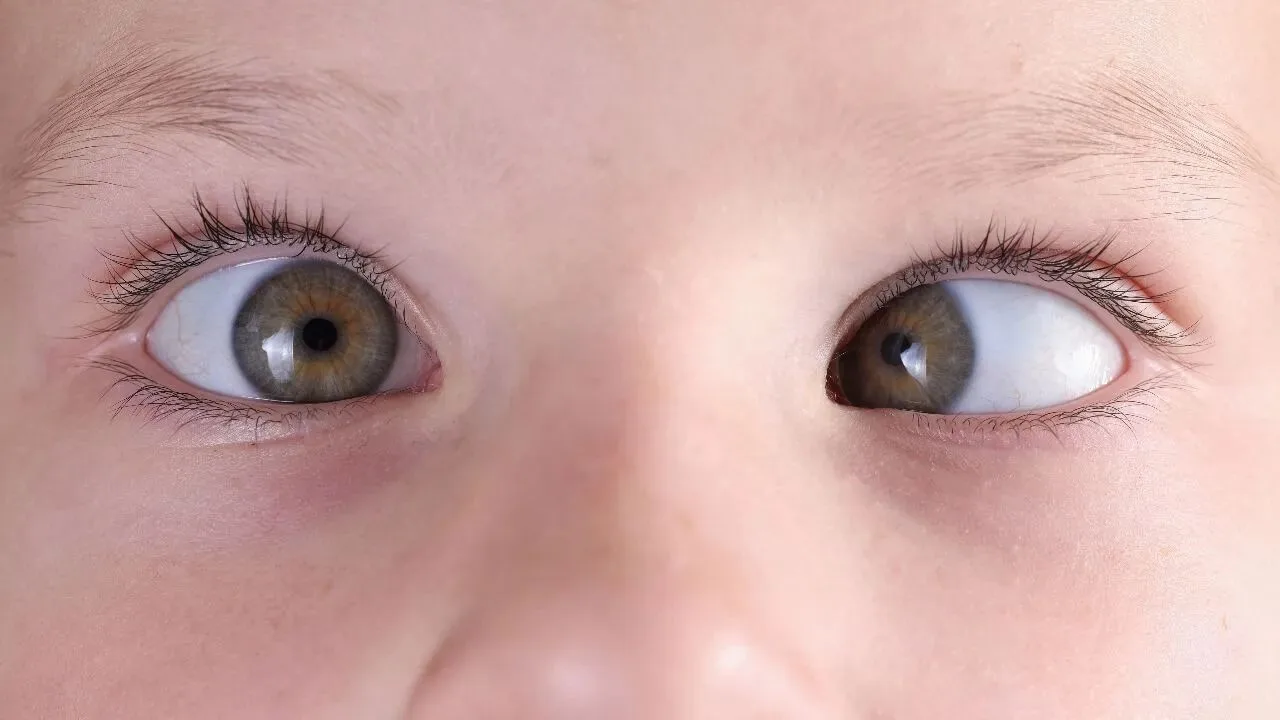
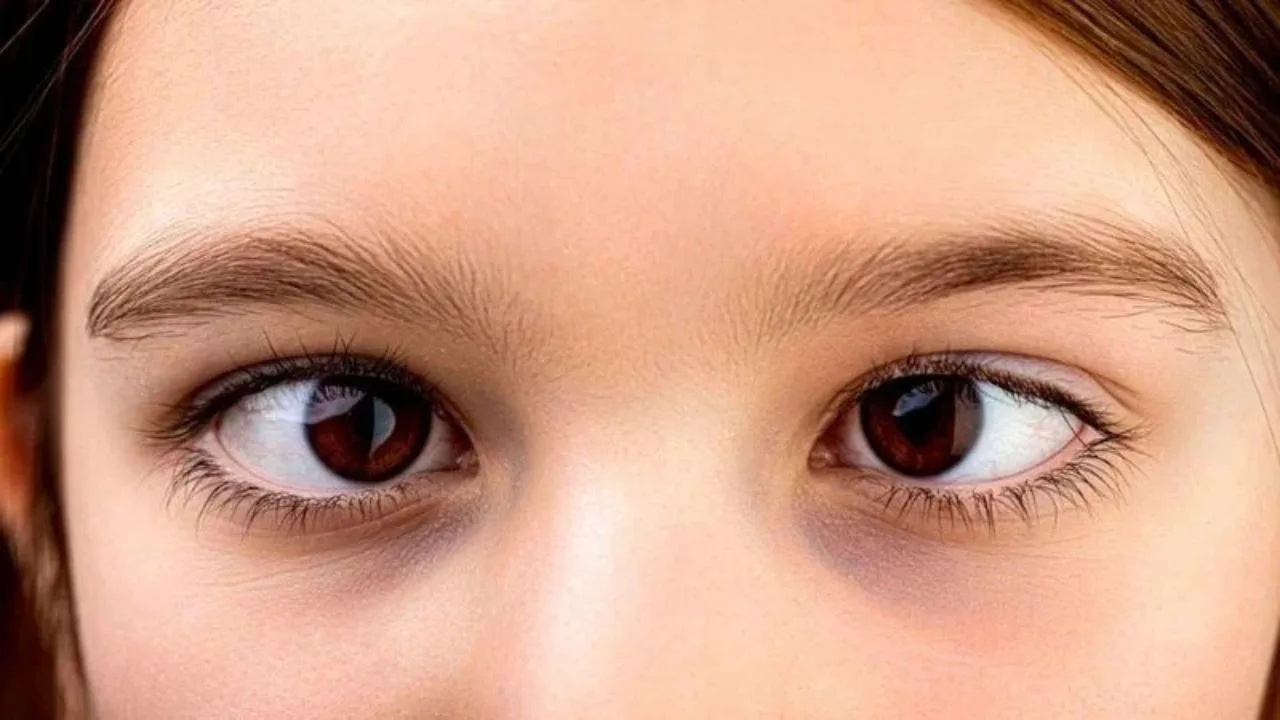
Squint surgery prices vary with the type of the squint, with the experience of the doctor and with the conditions of the clinic. The procedure falls among the methods applied to correct the eyes where they are not aligned normally. Thanks to this operation the eye muscles are brought back into order, and the aim is for the eyes to be aligned completely evenly. Squint surgery is applied to adults and children alike. It is carried out to correct the turning of the eye and to help the two eyes work together.
Prices differ both according to the price range set and according to the doctor who will carry out the surgery. They change from year to year and with the operation. To obtain a definite and clear price it is necessary to speak with the clinics where the surgery will take place.
 The most important thing to observe after surgery is eye hygiene. The area around the eye should be kept clean and hygiene should not be neglected. If anything other than stinging, mild pain and similar situations is observed in the eye, a doctor should be consulted at once.
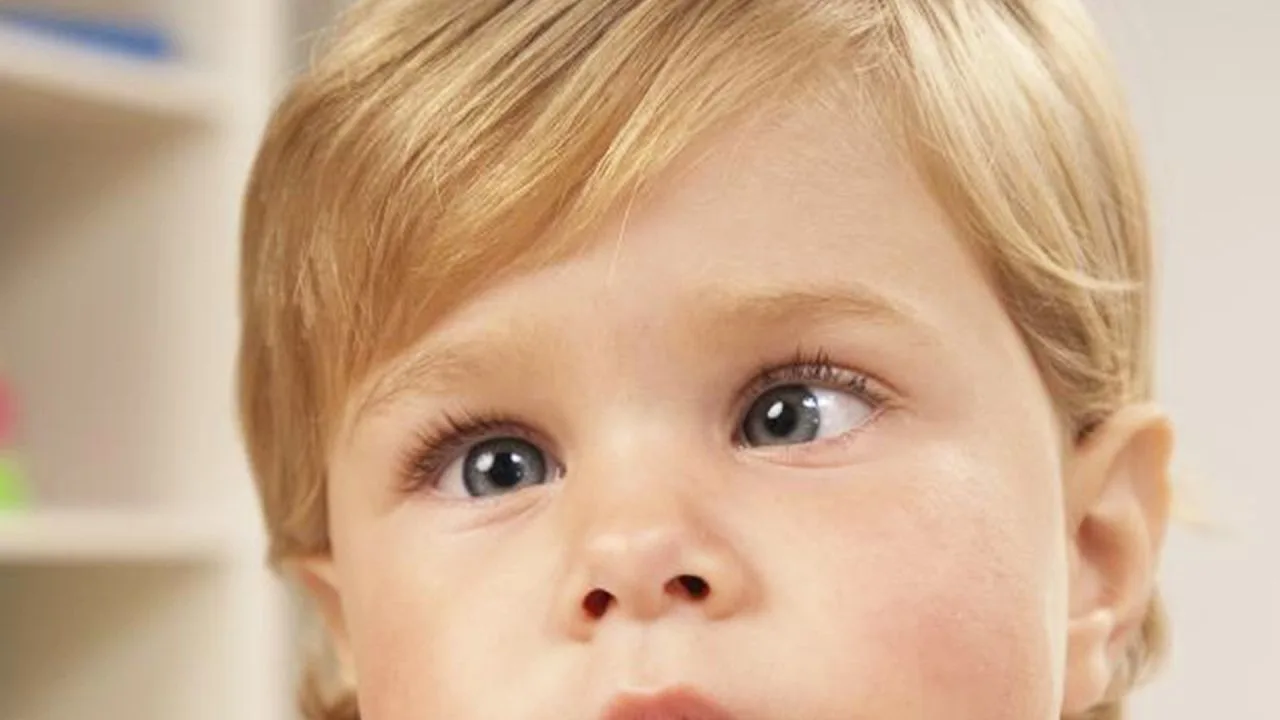
Squint Surgery
Squint surgery is carried out so that the eyes are aligned naturally and evenly. In this operation, which falls into the surgical category, the preparation stage matters a great deal and the procedure needs to be carried out safely. The preparations before squint surgery are these:- Eye examination: an eye examination is carried out so that the type and the degree of the squint can be understood.
- Blood test: before surgery, blood values are checked and the patient's condition analysed.
- Glasses and contact lenses: if glasses or contact lenses are used, they are removed before surgery.
- Orthoptic examination: this is carried out before surgery in order to measure the coordination of the eye muscles.
The most important thing to observe after surgery is eye hygiene. The area around the eye should be kept clean and hygiene should not be neglected. If anything other than stinging, mild pain and similar situations is observed in the eye, a doctor should be consulted at once.
Risks of Squint Surgery
The risks of squint surgery are those that can arise in any operation. It is carried out so that the eyes come into normal alignment, although there is a low likelihood of certain complications forming. Those risks are these:- Infection: there is a small risk of infection in every operation. Care should therefore be taken over the conditions in which the surgery is carried out and over hygiene afterwards.
- Disturbance of vision: temporary blurred or double vision is normal in the first days; if it persists, it may be a complication and you should see your doctor.
- Inflammation of the eye: redness or inflammation can be met in the eye after surgery.
- A wound in the eye: there is a small likelihood of a wound forming in the eye after surgery.
- Appearance: there is a risk that the eyes are not aligned exactly after surgery and that small deviations remain.
- Recurrence of the squint: squint operations can sometimes be unsuccessful and the squint can recur.
- Anaesthetic: certain complications can be experienced because of the anaesthetic used in the operation.
Causes of a Squint
Among the causes of a squint are genetic factors and external factors. A squint can also arise through damage to the brain. Among the causes of a squint are these:- Genetic factors
- Damage to the brain
- Brain tumours
- Diabetes
- Injuries
- Hypertension
Types of Squint
Types of squint can appear in different forms. Some of them are these:- Mixed squint: also known as mixed strabismus. This is inward and outward squint experienced together.
- Inward squint: in this type, also called esotropia, one or both eyes turn towards the nose and look inwards.
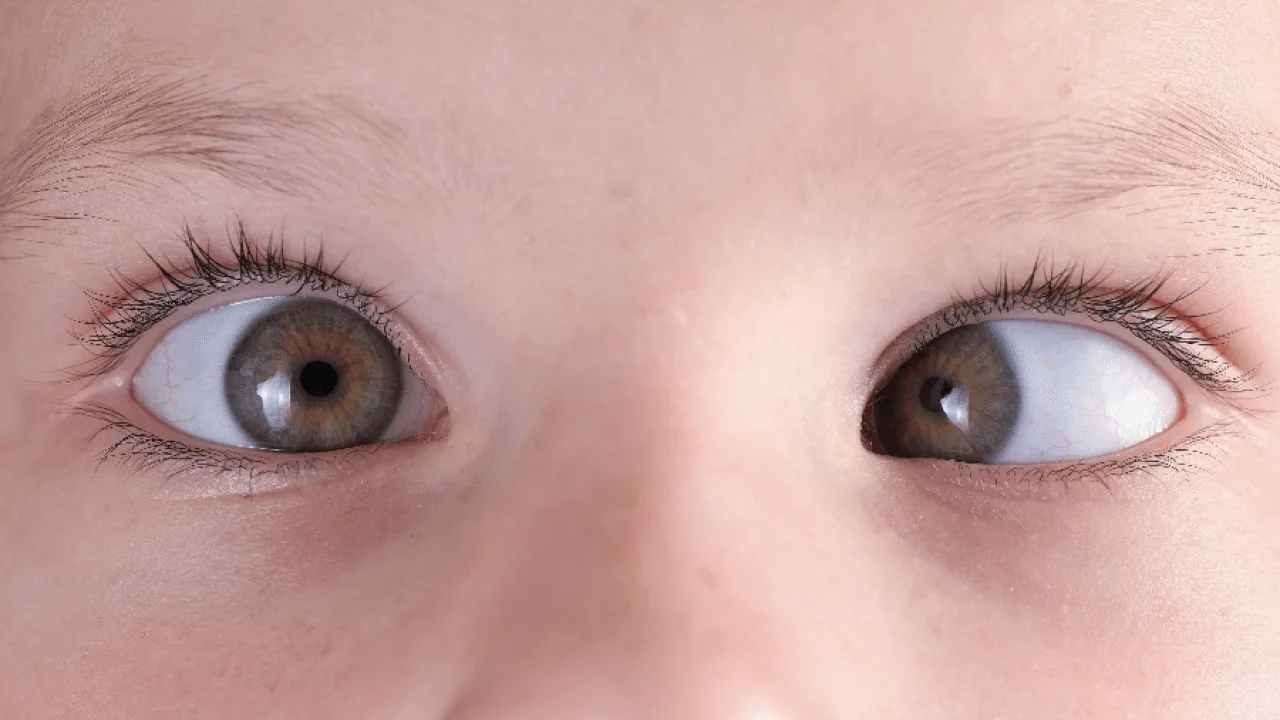
- Outward squint: also known as exotropia, this is the turning of one or both eyes outwards.
- Downward squint: also known as hypotropia, in which one eye turns downwards compared with the other.
- Upward squint: also known as hypertropia, in which one eye turns upwards compared with the other.
Diagnosis of a Squint
For a squint to be diagnosed it is necessary to be examined by a doctor. These diagnoses are made with different procedures and techniques. They are:- Eye examination: an eye examination is always needed in order to diagnose any eye condition.
- Orthoptic examination: this is a method of examination applied in order to check the eye muscles.
- Refraction test: this is the most common examination used in detecting refractive errors.
- Visual field test: this is one of the common tests applied to measure the field of vision and its extent.
- Examination of the eye muscles: ultrasonography is used to establish the structure of the eye muscles, and electromyography to establish their electrical activity.
Treatment of a Squint
Although surgery is the method recommended most commonly for treating a squint, treatment can in some situations be carried out with glasses alone. This can be used before surgery depending on the person's situation. Some patients may also need to continue wearing glasses after surgery. Glasses can also continue to be used for problems with vision that are not corrected after surgery. They should be used as the doctor advises, and eye check-ups should be attended regularly. Squint surgery is applied where the squint is advanced. It is carried out with modern surgical techniques and the latest equipment. The type and the extent of the squint can make the operation more demanding. Thanks to modern techniques, however, the operation is completed successfully. In many situations surgery falls among the most effective ways of removing a squint completely. If the squint recurs afterwards, or if it is not corrected sufficiently after surgery, different techniques are applied. In treating a squint, surgery can be carried out on adults and children alike.Frequently Asked Questions
- 1
How long does squint surgery take?
Squint surgery generally takes 30-60 minutes per eye, depending on the number of muscles corrected. The length of the operation can vary with the type of the squint and with how many eye muscles will be treated. You are kept under observation for a few hours afterwards. - 2
How soon after surgery can I return to normal life?
Most patients can begin light activities one to two days after surgery. Returning to school or work is generally possible within three to seven days. Full recovery can take two to six weeks. You are advised to avoid heavy physical activity for two to three weeks. Because every person's recovery can differ, it matters to follow your doctor's advice. - 3
Is squint surgery painful?
Because the operation is carried out under general or local anaesthetic, you feel no pain during it. Mild discomfort, stinging or mild pain afterwards is regarded as normal and can be managed easily with the painkillers your doctor prescribes. This discomfort generally eases within a few days. - 4
How will my eyes look after surgery?
Redness and mild swelling in the eyes are normal in the first days after surgery. This generally eases within one to two weeks. Although your eyes may look a little different at first, they return to their natural appearance as recovery progresses. You may need to wait four to six weeks for the full result. - 5
Will I need to wear glasses after squint surgery?
That depends entirely on your own situation. In some patients the refractive errors present before surgery (myopia, hyperopia, astigmatism) continue and glasses may be needed. Surgery aligns the eye muscles but may not increase visual acuity. Your doctor will give you advice specific to you at your check-ups after surgery. - 6
At what age can my child have squint surgery?
There is no particular age limit for squint surgery. Early diagnosis and treatment matter a great deal. In some situations surgery can be carried out even on babies of six months. Every child is different, however, and the timing of surgery is determined by the type and severity of the squint and by the child's general health. Your ophthalmologist will assess the most suitable time for your child. - 7
Can a squint recur after surgery?
With modern surgical techniques the success rate of squint surgery is quite high. In some situations, however, the squint can return in part or fail to correct completely. A second operation may then be needed. The risk factors vary with the type and degree of the squint and with the patient's age. It matters to attend the check-ups your doctor recommends regularly after surgery. - 8
Which activities should I avoid after surgery?
For the first two to three weeks you should avoid tiring activities such as swimming, running and heavy lifting. You should not rub your eyes or touch them with unclean hands. Avoid looking at the sun for long periods and use the protective glasses your doctor recommends. Make-up and cosmetic products can be used after waiting one to two weeks. Take care not to overdo the use of a computer or television. - 9
Can squint surgery be carried out on adults as well?
Yes, squint surgery can be carried out at any age. The idea that there is no solution in adulthood if it is not treated in childhood was once widespread, but it is not true. Successful results can be achieved in adults as well. Surgery provides improvement both functionally, in the quality of vision, and cosmetically, in the appearance of the eyes. Whatever your age, if you have a problem with a squint you can consult an ophthalmologist.