




Eye Diseases
What Causes a Squint?
- Kudret Eye Istanbul
- Last updated:
- 5 min read
- Medically reviewed by Op. Dr. Mehmet Ali Özdil
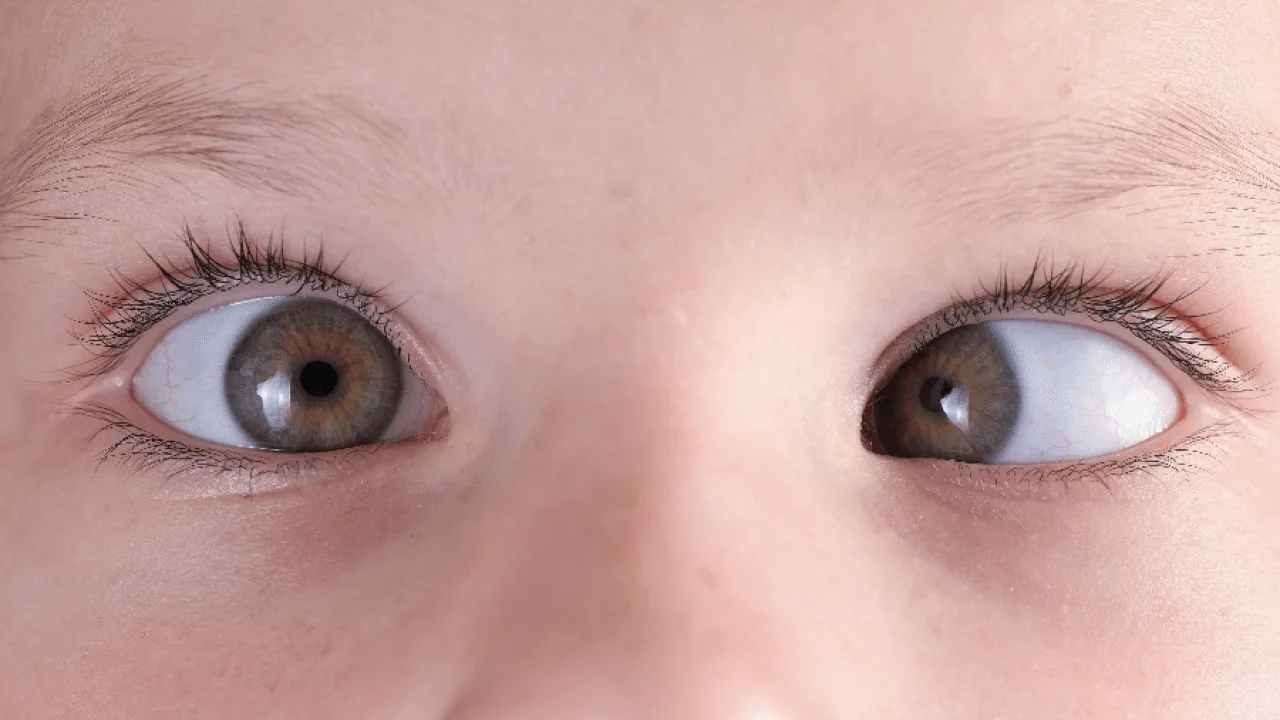
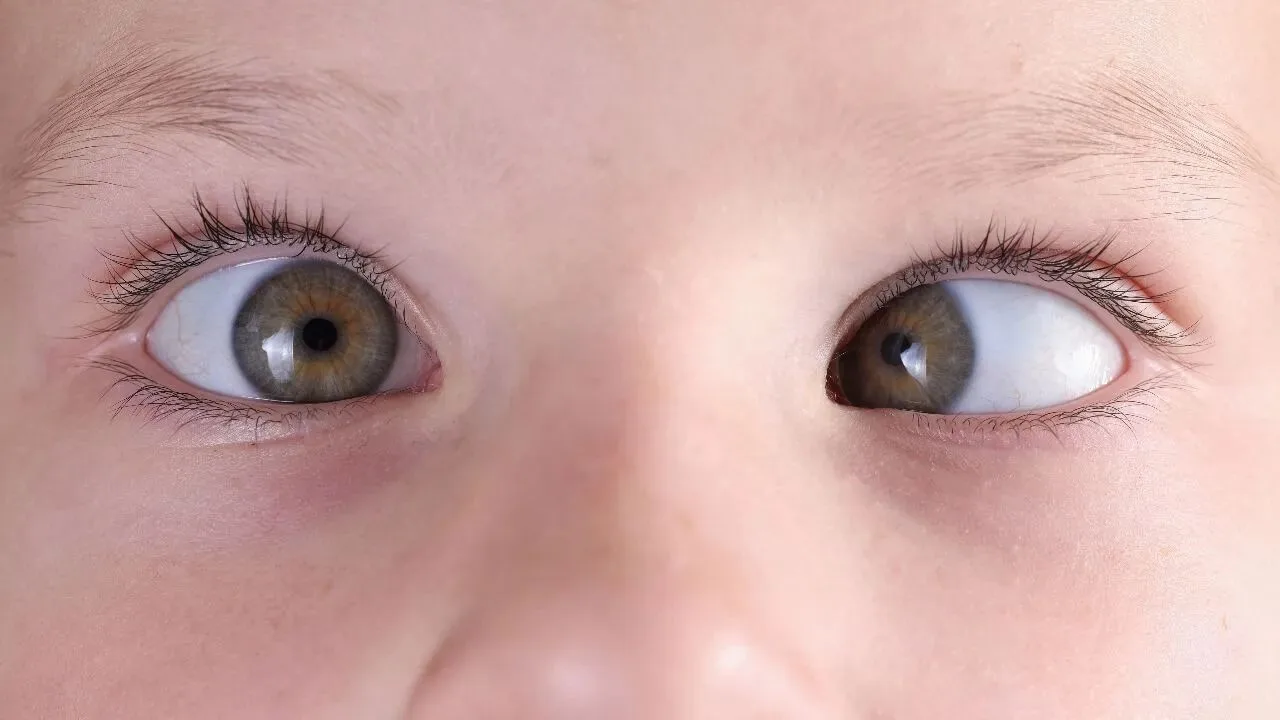
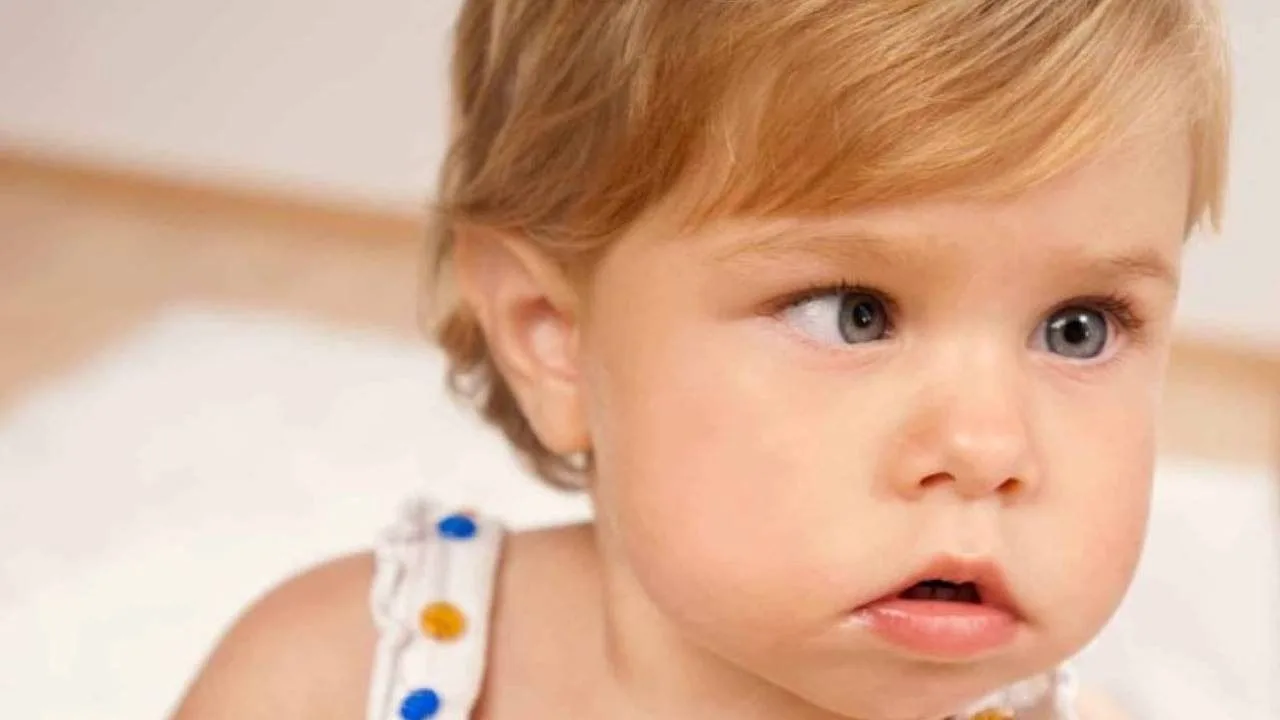
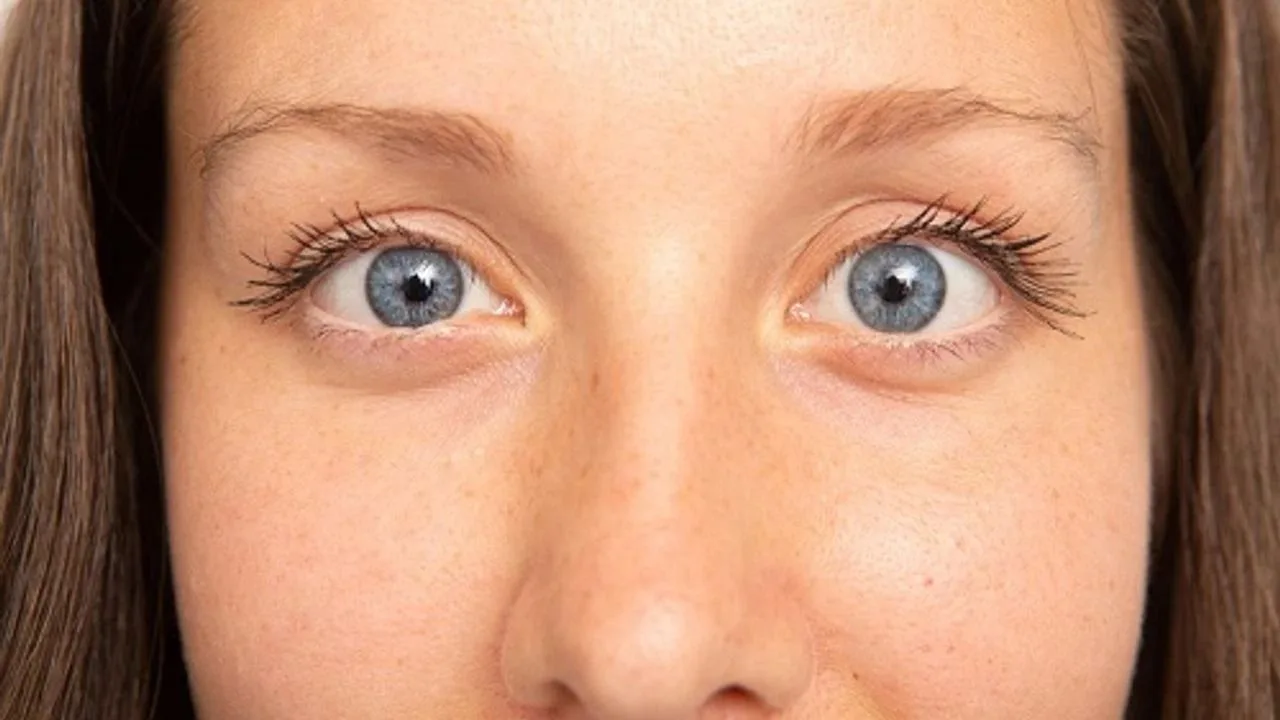
A squint, or by its other name a turn in the eye, is the situation in which the eyes are not aligned where they should be and point in various directions. It is generally known as the eyes looking in different directions. People with this problem can generally meet disturbances in their vision. Through various treatments and methods, these disturbances in the eyes can be removed within a short time.
Where there is a turn in the eye, one of the pupils can look inwards, outwards, upwards or downwards. Appearing at any age, this condition is generally met more often after birth. Where a squint forms after birth, it can be diagnosed early.
Where there is a turn in the eye, the person's vision is generally affected, because for a person to see the objects around them clearly both eyes need to see the same point. In this defect of vision the eye cannot focus, because it is looking at two different points at once.
What Are the Causes of a Squint?
The causes of a squint generally appear in many people at birth and during the years of growth. That means a person is born with a turn in the eye because of genetic factors. In some situations a turn in the eye can be met in later life. There are six muscles in the eyes that help them move and focus. One muscle is used to move the eye to the right and one to move it to the left. The other four allow it to move upwards, downwards and at an angle. In some people a turn in the eye arises as a result of these muscles being short or developing incorrectly. Alongside that, it can arise through a problem occurring in the nerves that carry information to the muscles or through a problem in the control centre in the brain. The other causes can be listed as follows:- Diabetes
- Thyroid conditions
- Stroke
- Head injury
- Cerebral palsy
- Myasthenia gravis
- Cataract
- Premature birth
- Down syndrome
- Hydrocephalus
- Damage to the eye muscles
What Are the Symptoms of a Turn in the Eye?
The symptoms of a turn in the eye can appear in more than one form. Where the problem is present from birth, the symptoms generally begin to appear at three or four months of age. The most common symptom is eyes that cannot look at the same point and that are noticeable from the outside. With that symptom, the signs of a squint begin and check-ups with a doctor become necessary. The other symptoms are these:- A sense of weakness in the eyes or around them
- The feeling that something is pulling around the eye
- Double vision
- Blurred vision
- Trouble focusing while reading or looking at something
- Lazy eye (amblyopia)
- Loss of depth perception
- Moving the head to the right, left, up or down in order to see clearly
What Are the Types of Squint?
Types of squint are classified by doctors as inward, outward or vertical. The type appearing most is the turning of the eyes inwards, known as esotropia. Esotropia has more than one variety of its own. They are:- Accommodative esotropia: this generally occurs where a person's hyperopia is left untreated. The focusing system is a mechanism controlling where the eyes look. People with hyperopia have to make more effort in order to see images clearly. That causes the person to move their head constantly in order to see clearly, or to see double.
- Intermittent esotropia: this is the situation in which a person cannot coordinate the movements of their two eyes properly. In this kind of squint the person generally experiences symptoms such as headache, difficulty reading and tiredness of the eyes.