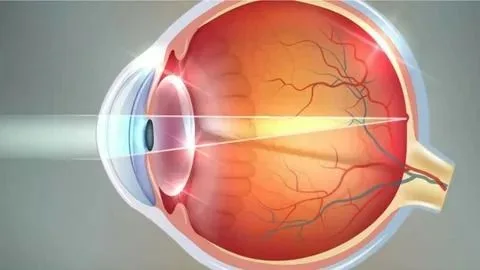
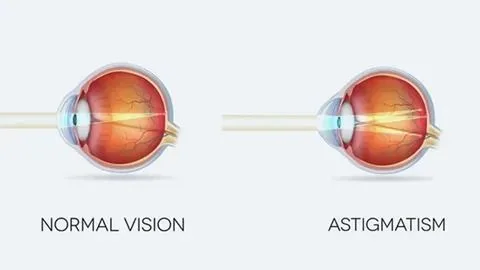
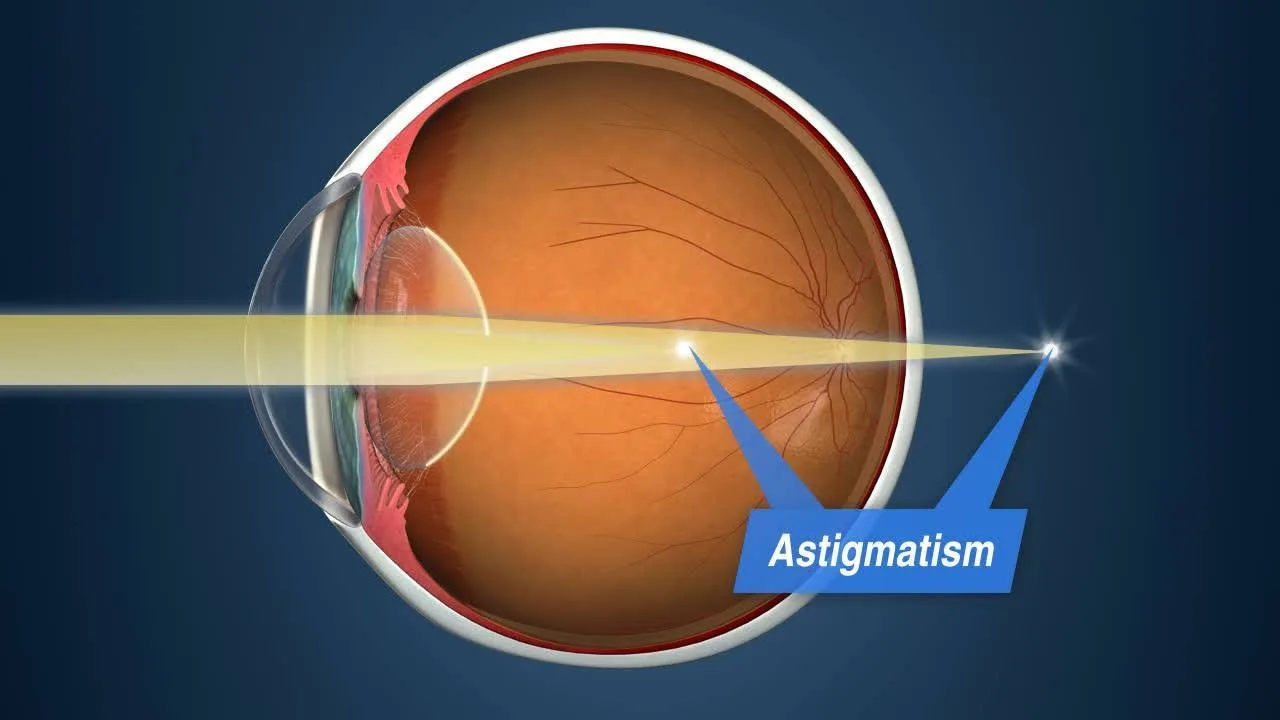
Questions such as what H52.2 astigmatism is and when it appears are asked by people affected by the refractive error known as astigmatism. Astigmatism is the inability of light to focus at a single point on the retina, because the curvature of the cornea, the front surface of the eye, or of the lens is not equal in every meridian, or is irregular. Where that lens or cornea does not have an even curvature, refractive errors appear. Described as a refractive error, astigmatism prevents light from focusing clearly on the retina and causes a blurred image. In the ICD, the International Classification of Diseases, astigmatism is recorded as H52.2. This is a code used to identify astigmatism.
How Does Astigmatism Form?
Astigmatism is a refractive error that causes blurred vision. The corneas of people with this condition are not perfectly round. The question of how astigmatism forms is looked into by people with the condition. Because the cornea is not evenly curved, light cannot be carried correctly to the other parts of the eye and cannot be refracted at the right angle. Whether at distance or at near, refractive errors cause vision to blur, and blurred vision in turn causes headache and eye strain. It can also appear because the lens of the eye, like the cornea, is not evenly curved.
Astigmatism is generally a hereditary eye condition. It appears where the eyelids press too heavily on the front of the eye, or where surgery that could cause this has been carried out. It also appears following certain injuries and trauma to the eye, and rarely after eye surgery.
Some of the situations that cause astigmatism are:
The symptoms of astigmatism show themselves through several clear signs. Blurred vision at distance or at near, and eye or head pain, are the problems met most commonly. Eye strain is also seen a great deal in situations where the eyes have to be used heavily.
The most common symptoms are:
Watering of the eyes
Blurring of near or distance vision
Dizziness and headache
A marked decline in night vision
A reflex of squinting in order to bring vision into focus
Eye strain
If one or more of these symptoms is present, a specialist ophthalmologist should always be seen. Astigmatism identified at an early stage can be brought under control with glasses and lenses. As it advances, higher prescriptions may be needed. In suitable patients the problem is removed with laser eye surgery, or with toric intraocular lens surgery in patients not suitable for laser.
How is Astigmatism Diagnosed?
Astigmatism is diagnosed through a comprehensive eye examination carried out by an ophthalmologist. During the examination, tests such as the Snellen test measuring your visual acuity, retinoscopy assessing how your eye refracts light, and keratometry mapping the curvature of your cornea are applied. With corneal topography the surface shape of your cornea is analysed in detail and the degree and type of astigmatism determined. These tests are painless and short. Regular eye examinations, and examinations in childhood in particular, carry great importance for the early diagnosis of astigmatism.
Degrees of Astigmatism
The degrees of astigmatism are used to establish how far a person is affected. Among the refractive errors, astigmatism is determined with a unit of measurement called the dioptre.
Astigmatism generally has values between 0.25 and 6.00 dioptres. These values are measured more precisely during an eye examination, and higher dioptres are met in some cases. They matter in measuring the severity of astigmatism and applying the appropriate treatment.
The degrees are examined in three categories.
Low Degree Astigmatism
Astigmatism below 0.75 dioptres is described as low degree. Vision problems are met very rarely in people at this degree, and it does not affect their quality of life or daily living. Treatment with low prescription glasses or contact lenses is generally not considered necessary.
Moderate Astigmatism
Astigmatism between 0.75 and 2.00 dioptres is described as moderate. At these levels blurring occurs in both near and distance vision. Because blurred vision causes dizziness, headache and eye strain, it affects the person's quality of life. To bring vision into focus and avoid eye strain, low prescription contact lenses and glasses are generally recommended.
High Degree Astigmatism
Astigmatism above 2.00 dioptres is described as high degree. High astigmatism affects the clarity and quality of vision seriously. Objects can begin to look distorted or wavy. Alongside glasses and lenses, LASIK laser surgery or intraocular lens surgery is also recommended. Where it is left untreated it affects quality of life very badly and can cause more severe headaches and eye strain.
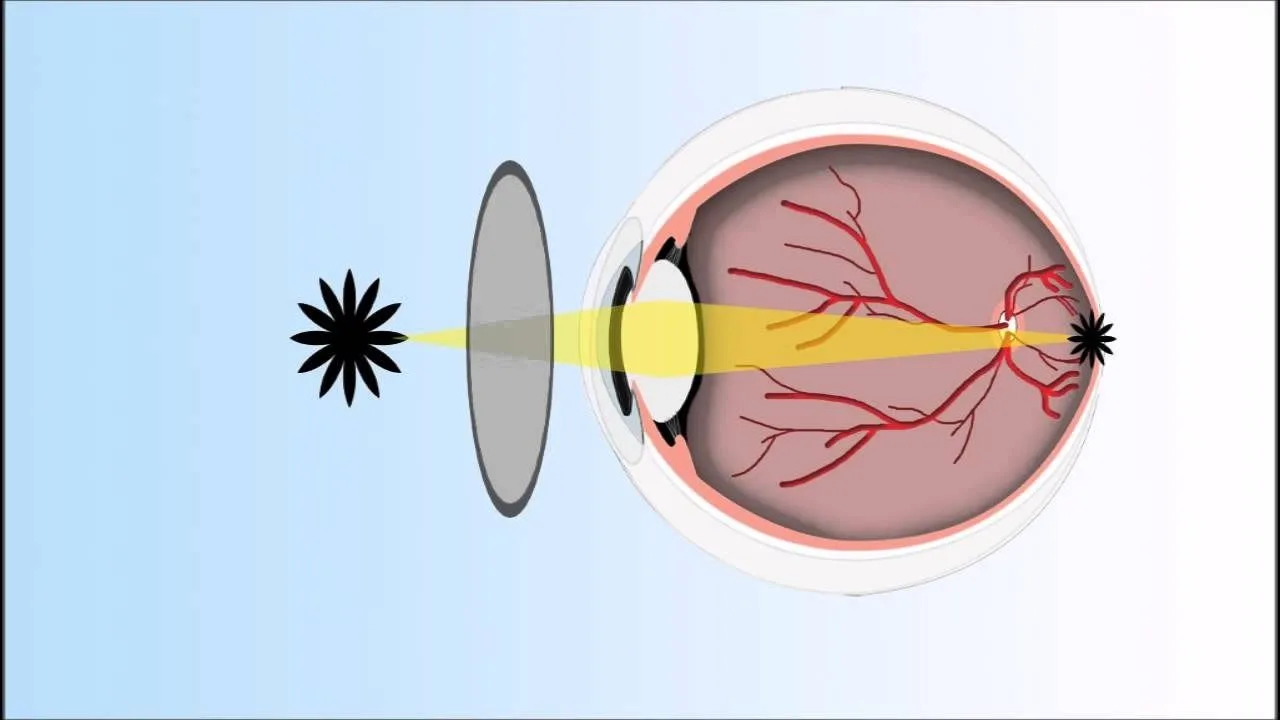
Astigmatism is sometimes not seen alone. It is also seen with other refractive errors such as hyperopia and myopia. In a normal eye the lens and the cornea carry the light passing through the pupil to the retina. An eye whose lens and cornea do not have the right curvature cannot carry that light at the right angle. Light carried behind or in front of the retina cannot be carried clearly to the brain through the optic nerves.
Types of Astigmatism
The types of astigmatism are listed differently from its degrees. They fall into different categories according to the refractive error of the eye. They are:
Regular astigmatism: the type met most commonly. In this type the flat axes of the cornea or the lens lie at ninety degrees to one another. It can be corrected with laser, glasses and lenses.
Irregular astigmatism: here the cornea has more than one curved structure. Even the flattest axes are not positioned at ninety degrees to one another. Because it is difficult to correct with glasses alone, methods such as lenses and intraocular lenses can also be applied.
Astigmatism can sometimes be seen not alone but together with other vision problems such as hyperopia and myopia.
Myopic astigmatism: myopia is a refractive error diagnosed through difficulty seeing at distance. Astigmatism is a refractive error that can cause blurring or distortion at every distance. Because the light arriving cannot be projected properly onto the retina, myopic astigmatism involves two separate focal points.
Hyperopic astigmatism: here the eye is shorter than it should be, so the image loses its clarity and sharpness entirely. Part of the refracted light focuses on the retina and part behind it, creating two separate focal points. Because both focal points are disturbed, this is called hyperopic astigmatism.
These situations can be corrected with laser surgery alongside contact lenses and glasses. Where they cannot be corrected completely, the intraocular lens method is applied.
Treatment Options and the Decision
Treatment for astigmatism is determined according to the degree of the refractive error and the person's lifestyle. In low degree astigmatism, below 0.75 dioptres, treatment is generally not needed. For moderate astigmatism, glasses or contact lenses are enough. In high degree astigmatism, laser treatments such as LASIK and PRK or intraocular (phakic) lens surgery can be chosen. Laser treatment is applied to patients over eighteen whose prescription has remained stable over the past year. Your ophthalmologist will assess your corneal thickness, the structure of your eye and your expectations and recommend the most appropriate treatment for you. Each treatment has its advantages and its limitations.
Frequently Asked Questions
1
What does H52.2 mean, and does it replace a diagnosis?
H52.2 is a classification code denoting astigmatism. An examination is needed for a definite diagnosis and grading.
2
Does astigmatism clear completely?
In some people, fully clear vision is achieved with glasses or lenses. Methods such as laser can provide permanent correction in suitable patients. This can vary from person to person, so consult your doctor.
3
Does astigmatism cause headaches?
Yes, eye strain and headache can be seen in situations such as looking at a screen or reading for long periods.
4
Does astigmatism progress?
Astigmatism present from birth often changes little in most people. It can increase in conditions such as keratoconus, so regular check-ups matter.
5
Does low astigmatism (below 0.75) always require glasses?
Not always. If there are complaints, glasses can help. If there are none, monitoring may be enough.
6
What is the difference between regular and irregular astigmatism?
In regular astigmatism the two main meridians follow a more orderly course and it can be corrected better with glasses. In irregular astigmatism the surface of the cornea is more irregular; special lenses or additional treatments may be needed.
7
Why does astigmatism affect night vision?
When the pupil widens at night, the scattering of focus can increase, and glare and flares can be felt more strongly.
8
Can astigmatism be corrected with laser?
Correction with laser is possible in suitable candidates. Measurements such as corneal thickness and topography are critical to the decision. This can vary from person to person, so consult your doctor.
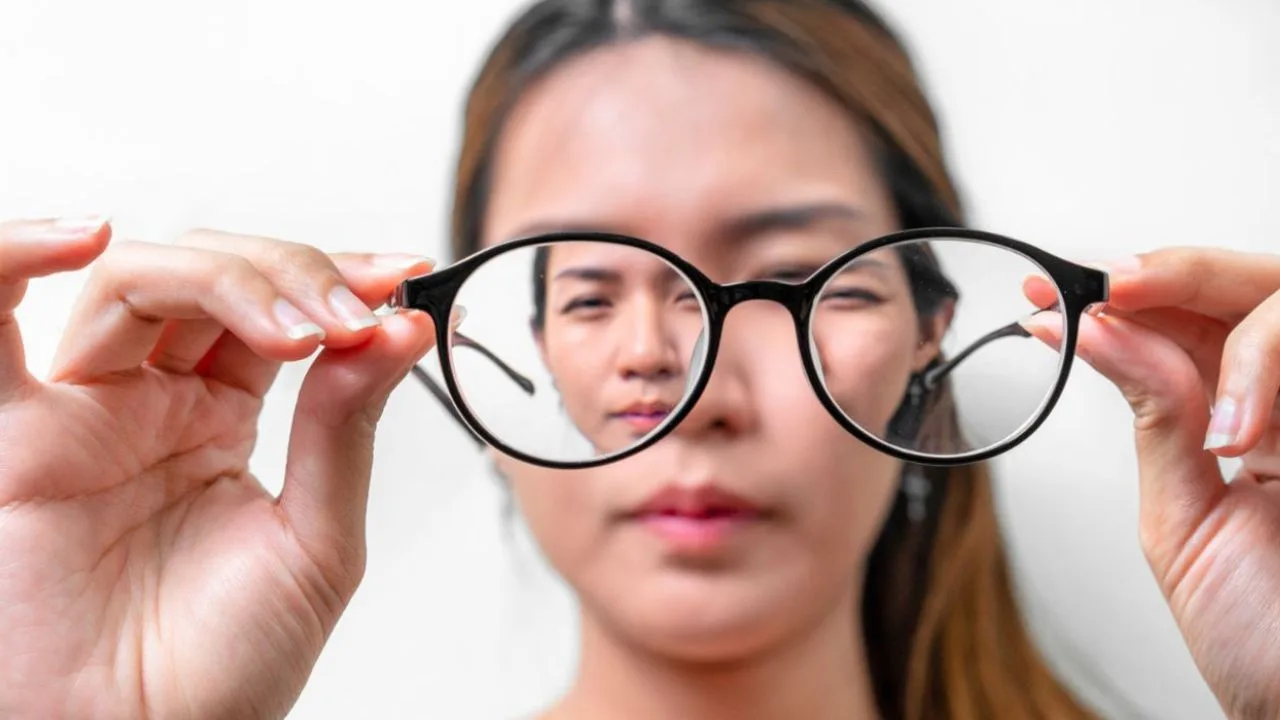
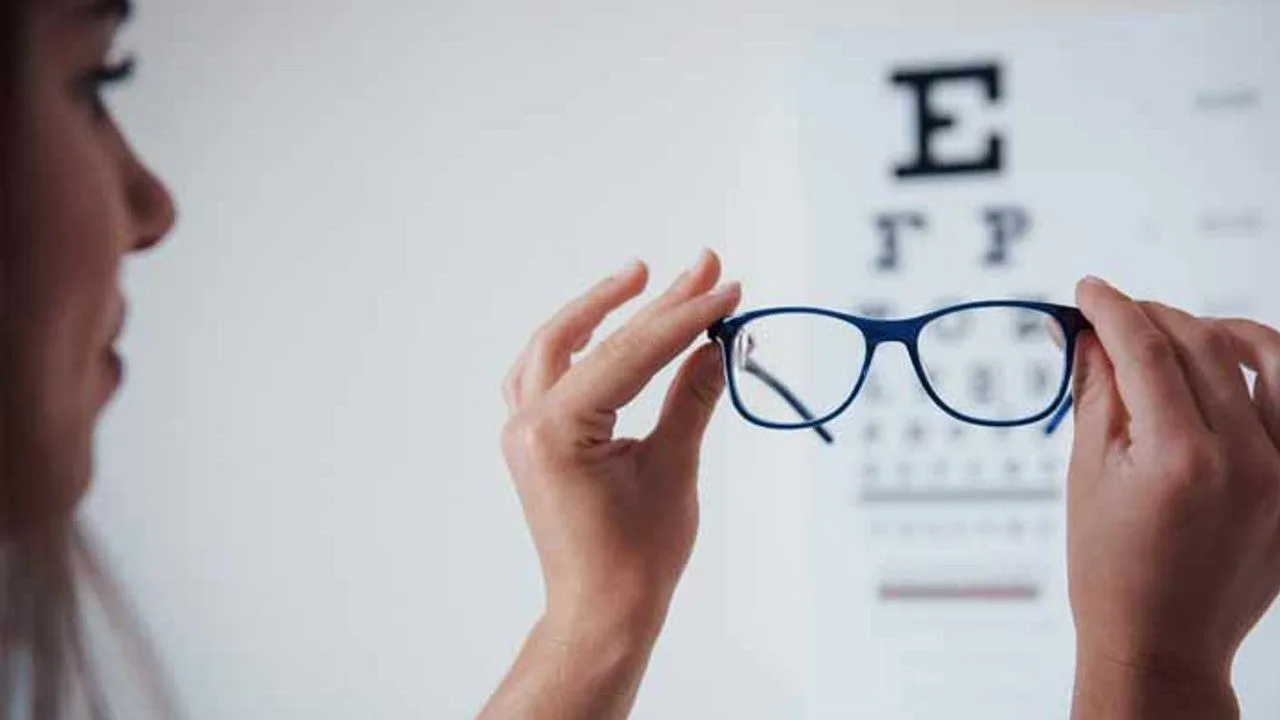
Astigmatism glasses may be prescribed where vision is blurred at distance, at near or at both. Beyond making objects clearer, wearing glasses is not a treatment and does not remove astigmatism altogether.
Astigmatism is a refractive error that makes the objects and people around a person appear blurred. The cause is that the cornea at the front of the eye is not perfectly round, so light entering the eye is refracted unevenly.
Hyperopia and astigmatism are among the most common refractive errors, affecting millions of people, and they are often seen together. Where both are present at once, the condition is called hyperopic astigmatism.
Astigmatism is a refractive error in which an irregular curve of the cornea or lens stops light focusing properly on the retina, blurring vision. This article covers its symptoms, diagnosis and treatment.
Essential cookies are always on. With your permission we also use Google and Meta cookies for measurement and ads.Cookies needed for the site to work are always on. With your permission we also use Google and Meta cookies to measure visits and show you relevant ads. You can change your choice at any time with the "Cookie settings" link at the bottom of the page.Detailed Information