




Eye Diseases
What is a Vitreous Disorder?
- Kudret Eye Istanbul
- Last updated:
- 5 min read
- Medically reviewed by Op. Dr. Mehmet Ali Özdil
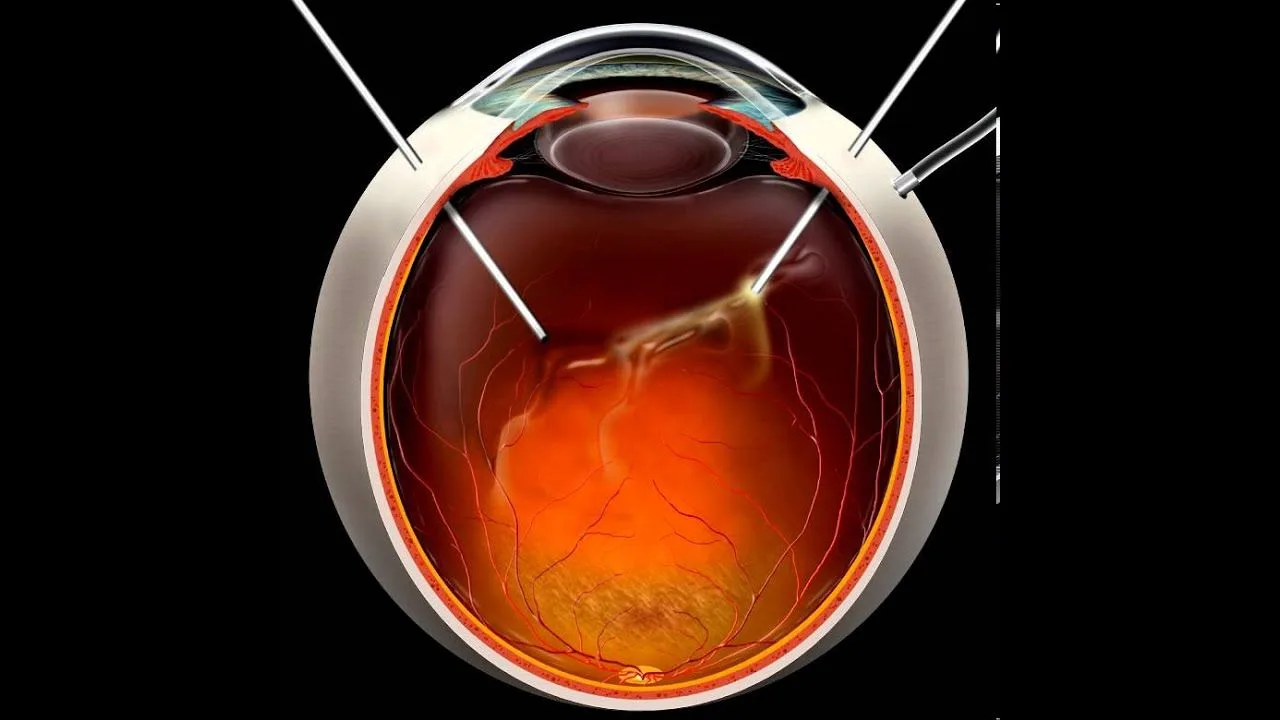
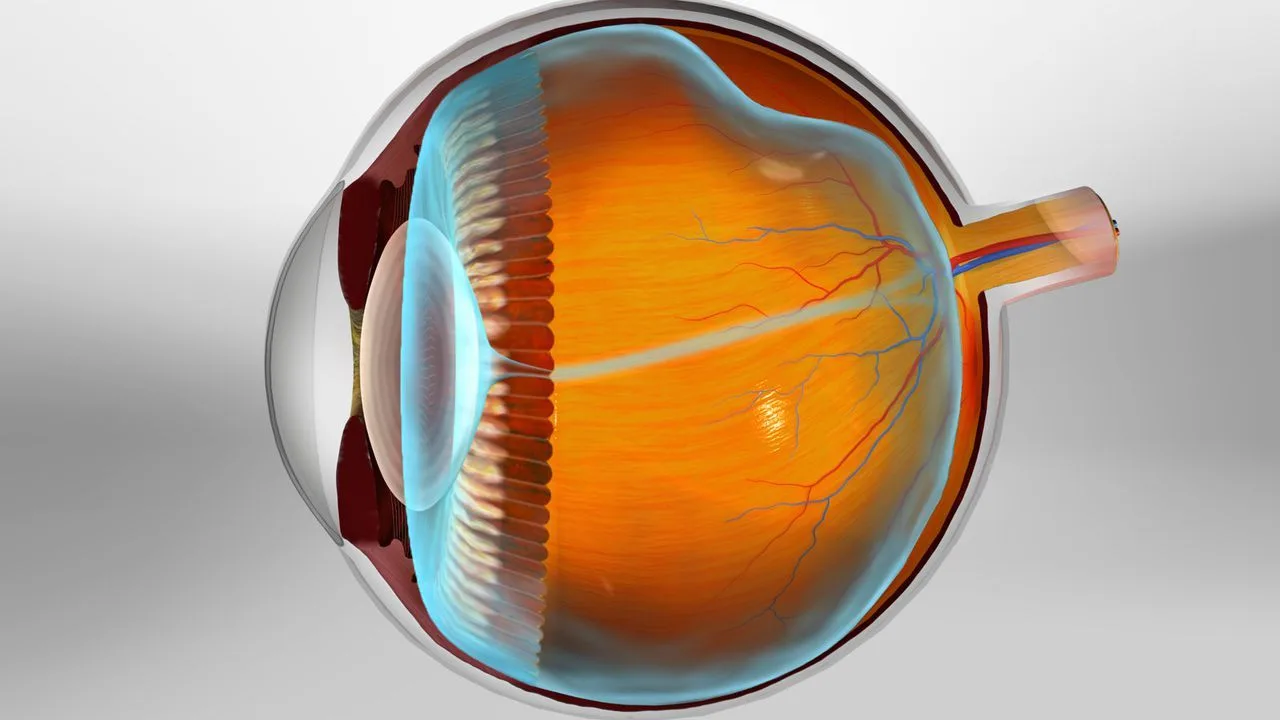
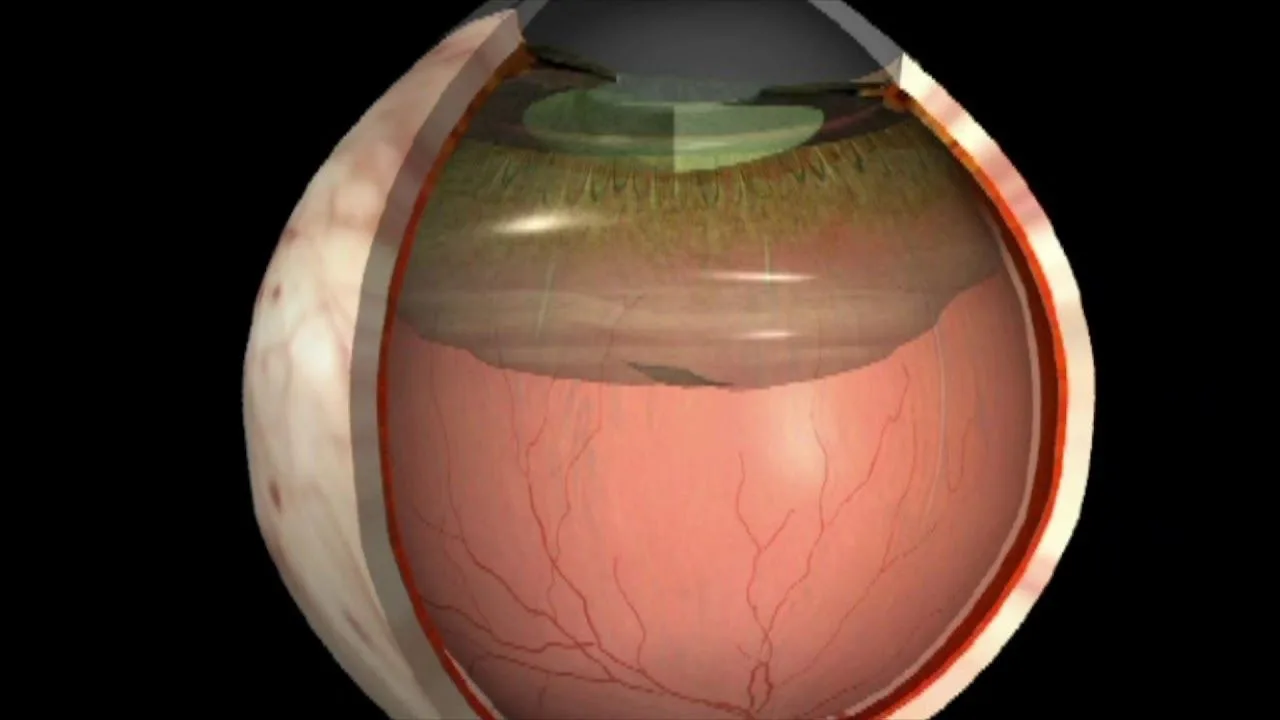
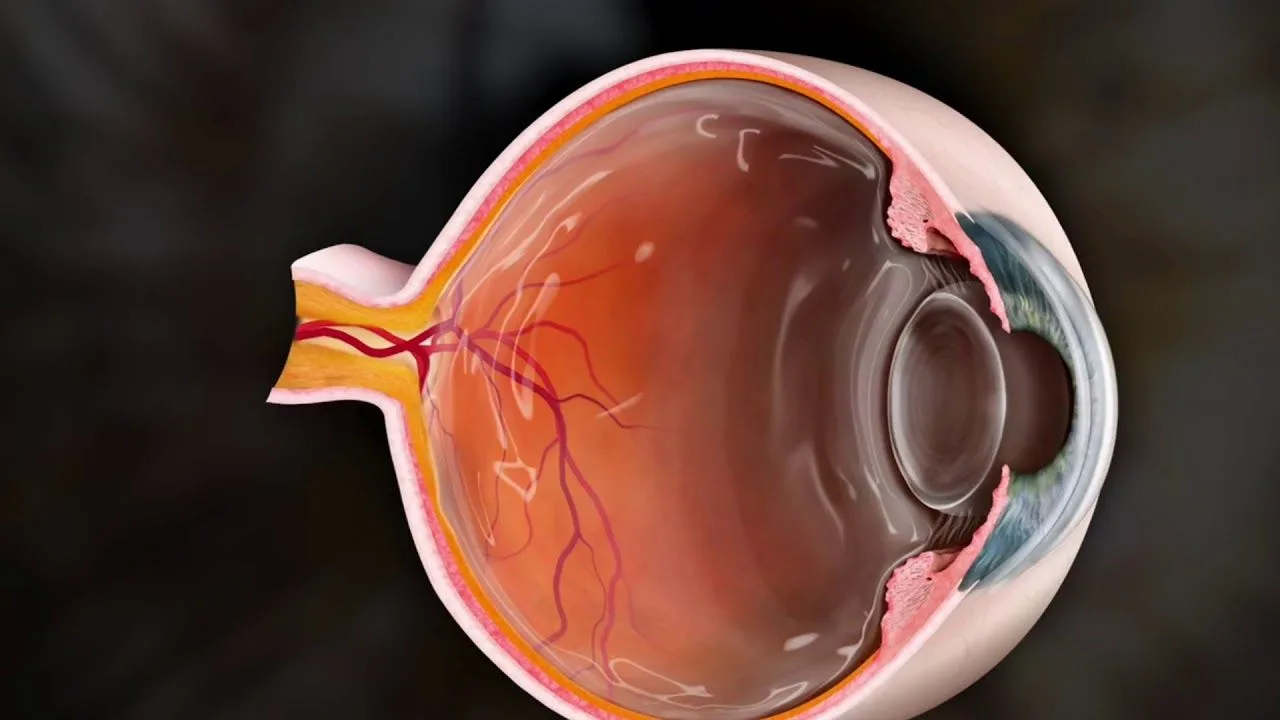
The vitreous is the name of the gel-like fluid within the eye. This fluid fills the whole eyeball. With age, the gel-like structure generally begins to deform. The deformed vitreous begins to separate from the back part of the eye, which gives rise to vitreous disorders. Alongside advancing age, posterior vitreous detachment can also arise through certain conditions, through advanced myopia and through blows to the eye. Genetic predisposition is an important factor as well. Eye operations undergone previously can also lead to this situation.
Vitreus is a Latin word and can be translated as glassy. In vertebrates and in humans, the space lying between the retina and the lens is filled with this gel. The vitreous makes up eighty per cent of the human eye. This structure sits attached to the retina of our eye. It can sometimes be confused with the eye fluid called the aqueous humour, which lies between the cornea and the lens.
Ninety-nine per cent of the vitreous in humans is water, and the rest is made up of collagen fibrils, salt, sugar and proteins. These proteins are non-collagen proteins. They are present in smaller quantities in this structure than the collagen fibrils. The collagen fibres in the vitreous form a complex structure in which type 2 collagen is dominant together with types 5, 9 and 11. That structure allows the vitreous to hold the consistency of a gel and to be clear. It contains no blood vessels, which is what allows it to be completely transparent.
Causes of Deterioration in the Vitreous
Although age is an important factor among the causes of deterioration in the vitreous, other factors lead to it as well. While age falls among the most common causes, diabetes can lead to bleeding in the vitreous. Advanced myopia can also lead to it. These situations affect the process by which the structure of the vitreous deteriorates. With age, liquefaction of the vitreous appears. In people between forty and fifty, changes in the structure of the vitreous appear in twenty-five per cent, and in people between eighty and ninety in as many as sixty-two per cent. Liquefaction is seen a great deal in this structure. Changes in the arrangement of the collagen can also cause the structure to become more solid. Because of that solidified structure, light cannot pass through it easily and symptoms such as seeing objects floating in the eye appear.
Conditions Caused by Vitreous Disorders
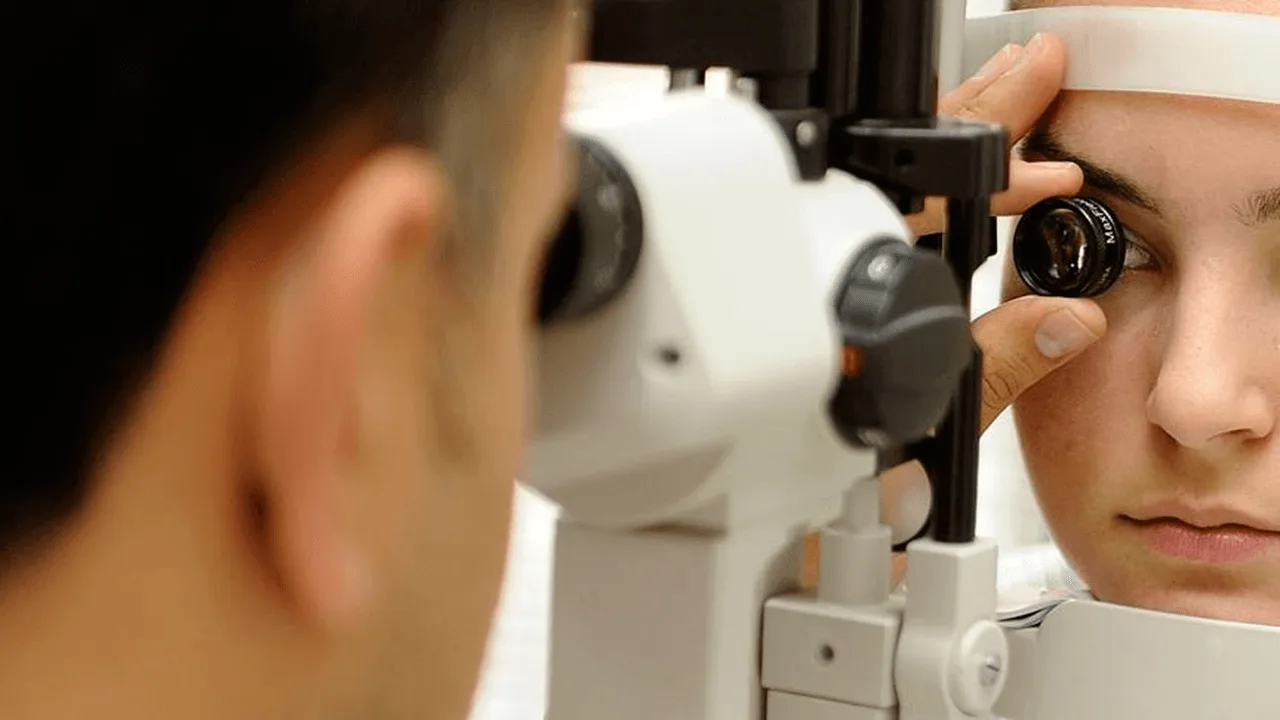
The conditions caused by vitreous disorders appear in different forms, and various situations can arise accordingly. Where there are situations such as flashes in the eye, floating objects and pain, a specialist ophthalmologist should be seen at once.Vitreous Degeneration
The situation in which the structure of the vitreous changes with age is called vitreous degeneration. It is a quite normal situation that can appear often in older people. It covers two processes. The first is synchysis, the stage at which the vitreous liquefies. The other is called syneresis and is the situation causing the opaque solidification within the vitreous. The vitreous becomes opaque and difficulties with vision appear. Patients cannot sense synchysis, although they can meet symptoms in the form of floaters in the eye occurring at the same time.Vitreous Detachment
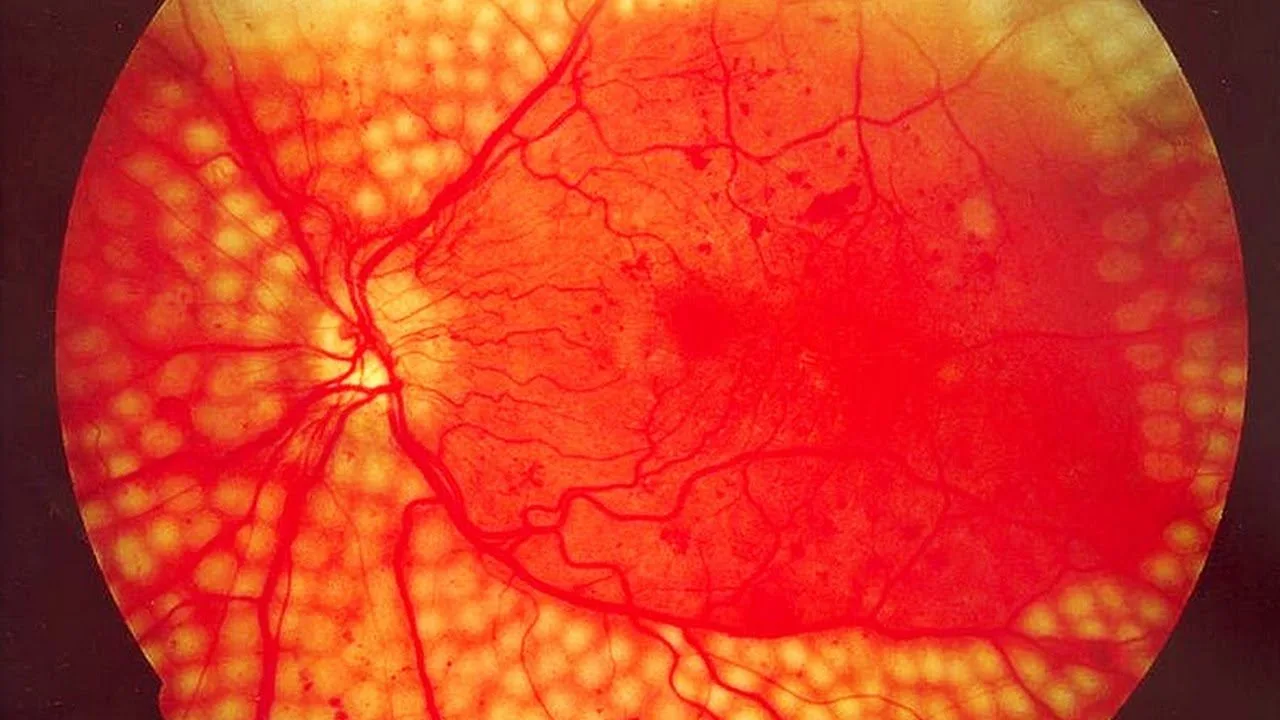
After the age of forty the capacity of the cavity of the eye stays constant while the amount of vitreous falls. The reducing vitreous fluid begins over time to separate from the retina it has been attached to. This situation is called vitreous detachment. It is known as the separation of the posterior vitreous or the posterior hyaloid. When vitreous detachment develops with age it is a quite normal situation. It has been found in fifty-three per cent of people over fifty. In people aged sixty-five and over it is met in sixty-six per cent. Although vitreous detachment is quite normal, it can sometimes lead to other conditions as well. They are retinal detachment, vitreomacular traction syndrome, retinal tears and vitreous haemorrhage.Asteroid Hyalosis
Asteroid hyalosis is the situation in which the vitreous becomes opaque. Spherical bodies begin to build up in the vitreous cavity. These cream and golden coloured structures sometimes build up a great deal and can make it impossible to examine the other structures of the eye. Patients notice this situation very rarely indeed. This condition is met at a rate of around one per cent. Asteroid hyalosis generally appears in one eye.