





Eye Diseases
What is Glaucoma and How is It Treated?
- Kudret Eye Istanbul
- Last updated:
- 5 min read
- Medically reviewed by Op. Dr. Mehmet Ali Özdil
The question of what glaucoma is falls among the eye conditions people wonder about. Glaucoma occurs as the pressure within the eye rises, and the optic nerves at the back of the eye are damaged as a result. Glaucoma is linked to a build-up of fluid in the eye. If a problem arises in the system that drains that fluid, the pressure within the eye rises steadily.
Glaucoma is a condition that most often emerges during eye examinations. If treatment is left too late, sight loss follows. Open angle glaucoma, the most common type, usually causes no symptoms; severe headache, eye pain and blurred vision are seen in acute angle closure. Most people with the condition are unaware of it, yet if it is left untreated permanent vision problems can appear.
It falls into two categories, open angle and closed angle. A rise in the fluid within the eye damages the nerves of sight. When the optic nerves are damaged, certain symptoms appear. Those symptoms should be taken seriously and regular eye examinations attended.
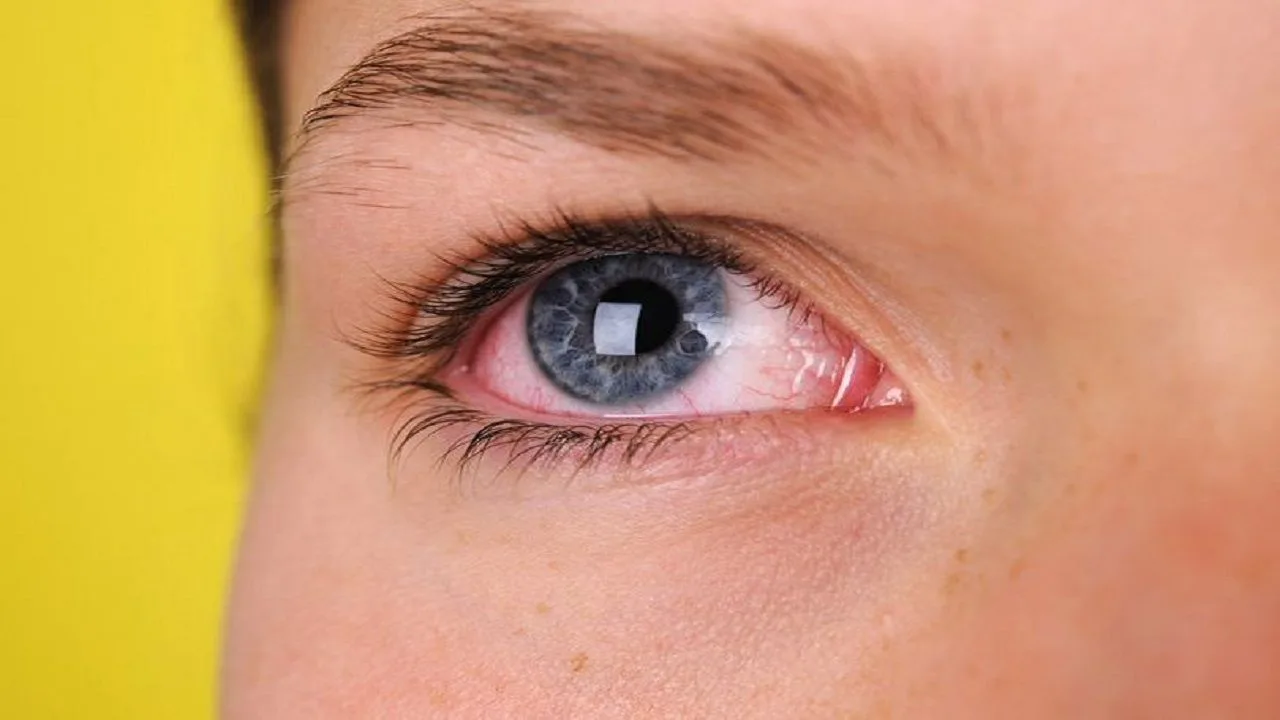
How Does Glaucoma Develop?
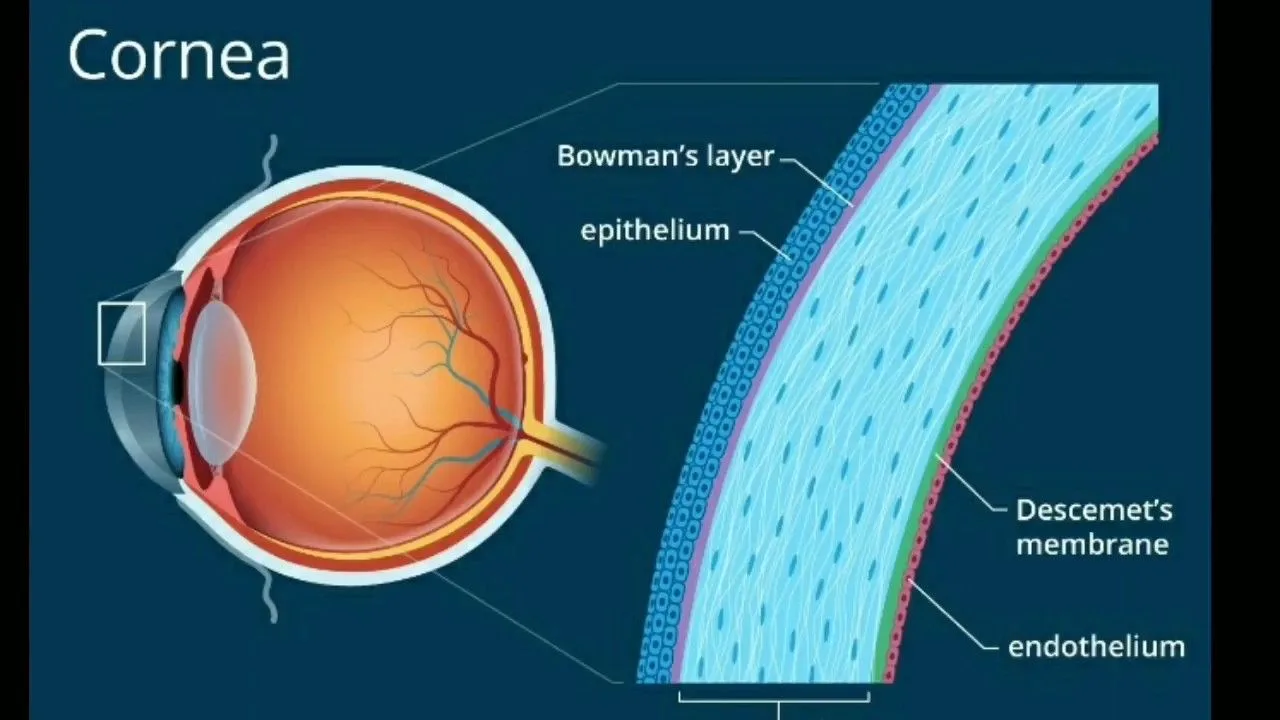
The basic reason behind how glaucoma develops is an increase in the fluid within the eye. As that fluid increases, so does the internal pressure. The eye continuously produces a clear fluid (aqueous humour) that nourishes its inner structures. In a normal eye the fluid flows through the channels between the cornea and the iris. In people with glaucoma the resistance in those channels rises, fluid gathers in the eye and presses on the optic nerves. Under that pressure the nerves are damaged and glaucoma appears. People with a family history of glaucoma carry a far greater risk than others, so attending regular check-ups matters. Some of the situations that create a risk are:- Having family members with glaucoma
- Being over forty
- A narrow drainage angle in the eye
- Having conditions such as migraine and diabetes
- High myopia
- Injuries occurring in the eye
- Having low or high blood pressure
- A cornea thinner than it should be
What Are the Symptoms of Glaucoma?
What the symptoms of glaucoma are is another subject people ask about. It is possible to meet glaucoma even in newborn babies, and it can appear in people over forty as well. Seeing haloes when looking at lights, headache, blurred vision and eye pain are seen mainly in acute angle closure. In people with open angle glaucoma these symptoms may not appear, which is why attending regular check-ups matters for early identification and treatment. The condition affects the vision of the eye. It is possible to meet glaucoma in one eye alone while the other carries out its normal function. The symptoms of acute angle closure glaucoma are:- Enlarged pupils
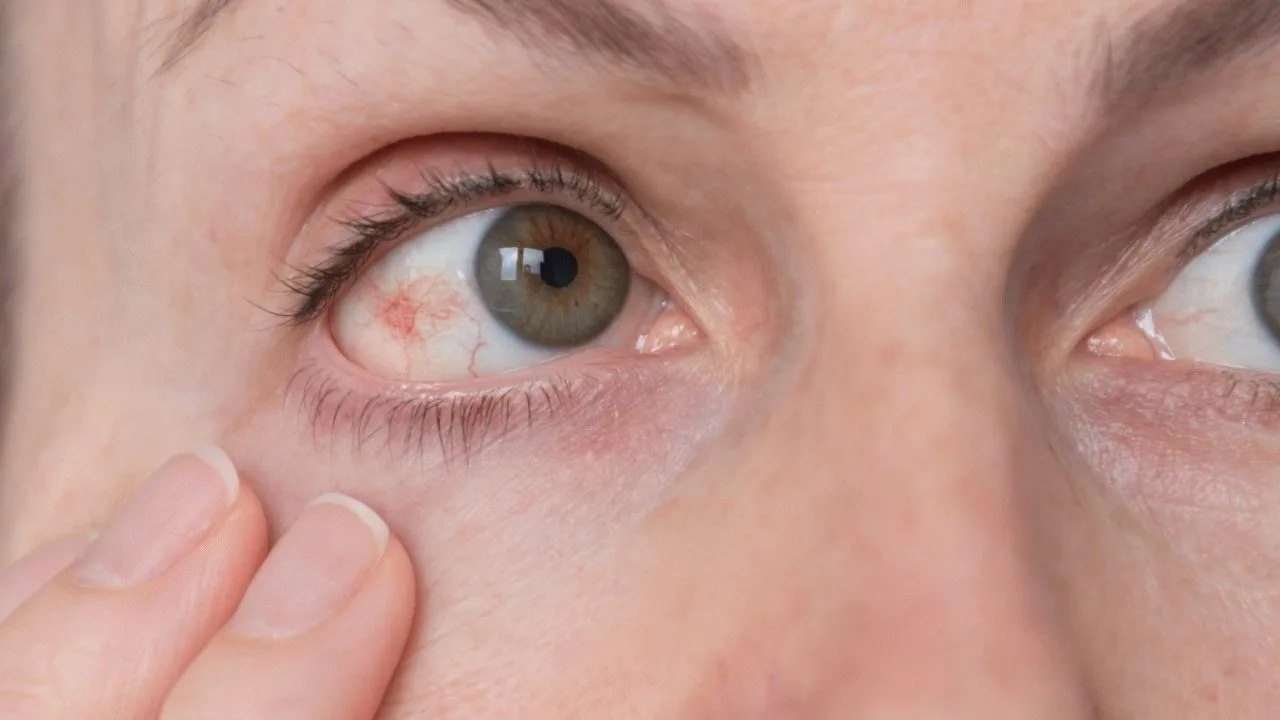
- Redness of the eye
- Severe headache
- Severe eye pain
- Seeing haloes when looking at lights
- Nausea
- Vision becoming blurred
- Enlargement of the eye
- Wateriness and tearing of the eyes
- Redness of the eyes
- Pain in the eye
Types of Glaucoma
Glaucoma is examined in two categories: narrow or closed angle glaucoma and open angle glaucoma.Closed Angle Glaucoma
Narrow or closed angle glaucoma develops acutely and appears suddenly. The angle between the cornea and the iris is very narrow, and the glaucoma forming in this area is called closed angle glaucoma. Enlargement or other changes can be observed in the pupils. Closed angle glaucoma can show itself through eye pain. The iris lies very close to the drainage angle of the eye, which can lead to that angle being obstructed and blocked completely. This is called closed angle glaucoma. In this situation an ophthalmologist should be seen immediately and eye pain should not be taken lightly.