




Behçet's disease was described in 1937 by Prof. Dr. Hulusi Behçet, the physician who first identified it, and it is therefore known by his surname. Although its cause has not been fully explained, auto-inflammatory vasculitis and a genetic predisposition linked to HLA-B51 play an active part, and it is a condition that affects many organs.
The symptoms are generally mouth ulcers, genital ulcers, joint pain, inflammation of the blood vessels, involvement of the central nervous system, and eye and skin problems. Its symptoms recur continually. As the condition advances it leads to various health problems in the heart, the blood vessels, the lungs, the joints, the digestive system, the kidneys and the nervous system.
Behçet's disease is one of the chronic conditions. It therefore reappears from time to time and passes through periods of flare-up, while in other periods the symptoms can also ease.
It is identified frequently in Turkey, in the Mediterranean countries and in Japan. Behçet's disease appears and is identified most commonly in people between the ages of twenty and forty. Because it is met more often in the younger population, it is seen more rarely in children and in older people.
What Causes Behçet's Disease?
It is not possible to give a clear cause in answer to
what causes Behçet's disease. Genetic and environmental factors both lead to it recurring. The reason it appears can be described as the body opening a war against its own tissues, so that lesions appear in particular places. It is generally more likely to appear in people who carry the HLA-B51 gene region.
Alongside genetic factors, various illnesses and infections that have been contracted can also lead to it appearing. In infectious illness of bacterial or viral origin, the likelihood of it appearing is higher where the person also has a genetic predisposition.
Behçet's disease occurs in both sexes, but it is more common in men and tends to run a more severe course in them. The symptoms usually begin between the ages of twenty and forty.
What Are the Symptoms of Behçet's Disease?
The symptoms of Behçet's disease generally appear between the ages of twenty and forty, that is in adulthood. The condition has more than one symptom, and it can flare up in certain periods and ease in others. Its symptoms can be listed as follows:
- Aphthous and genital lesions
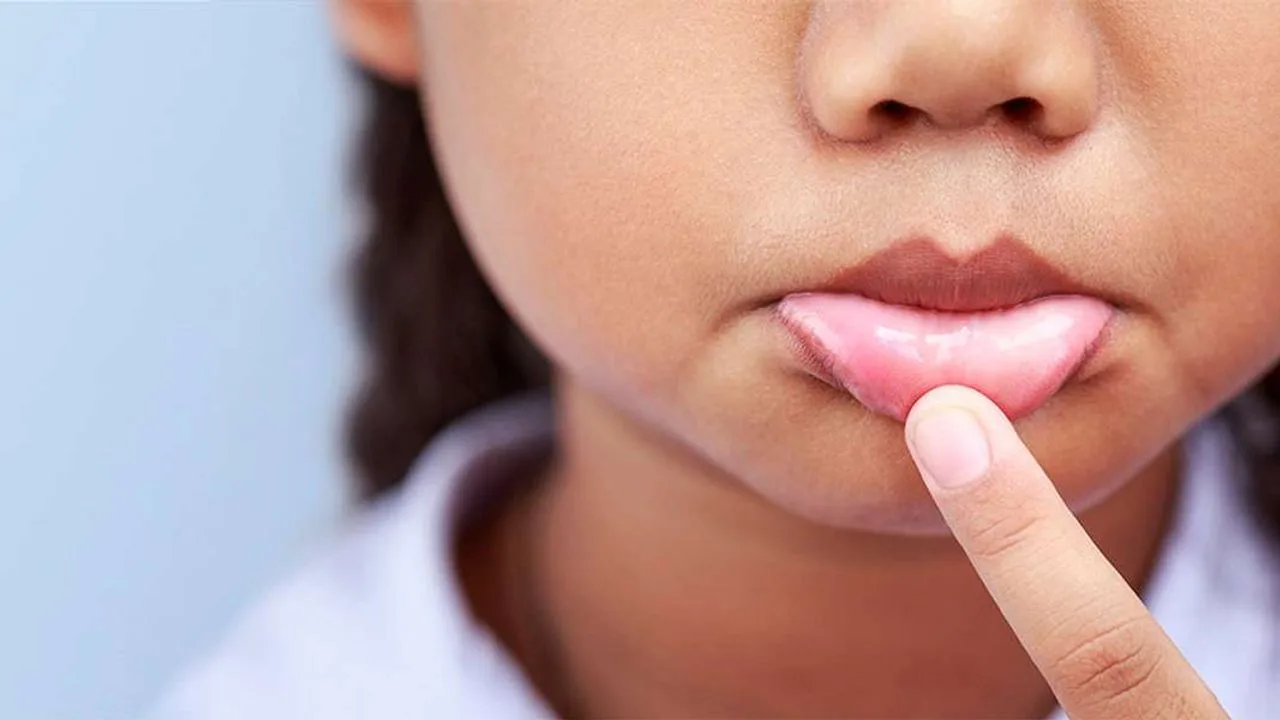
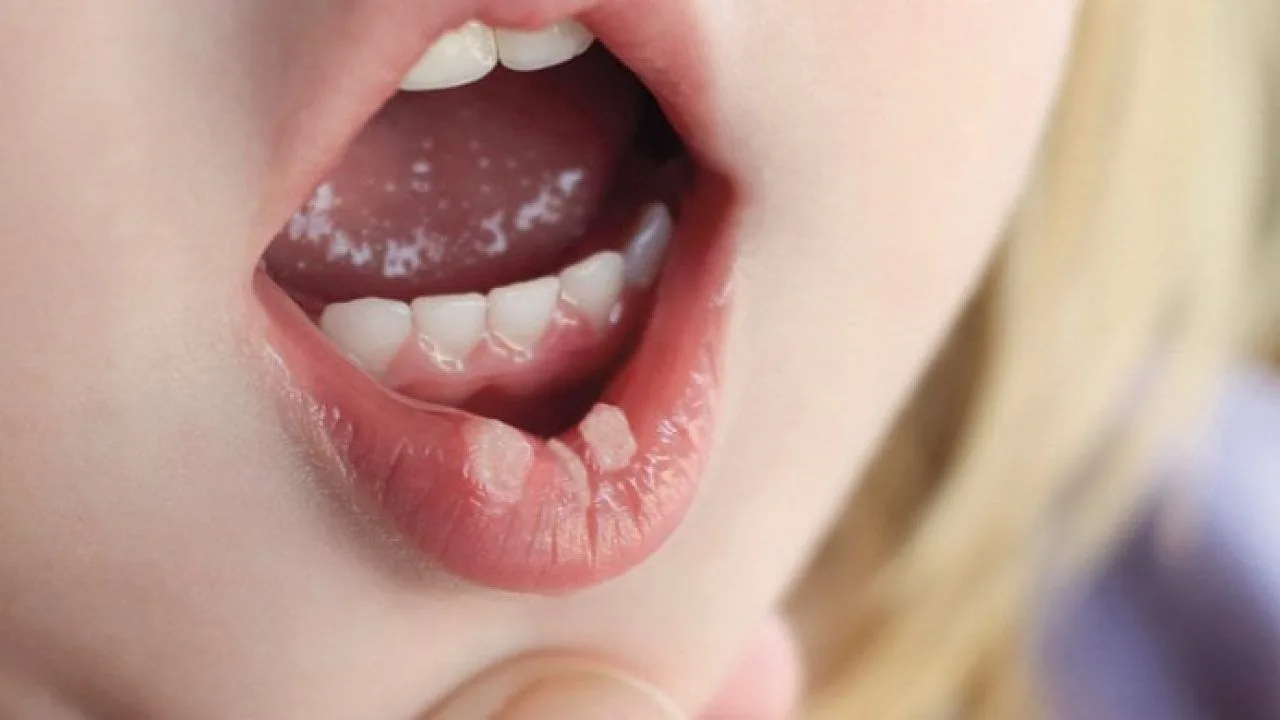
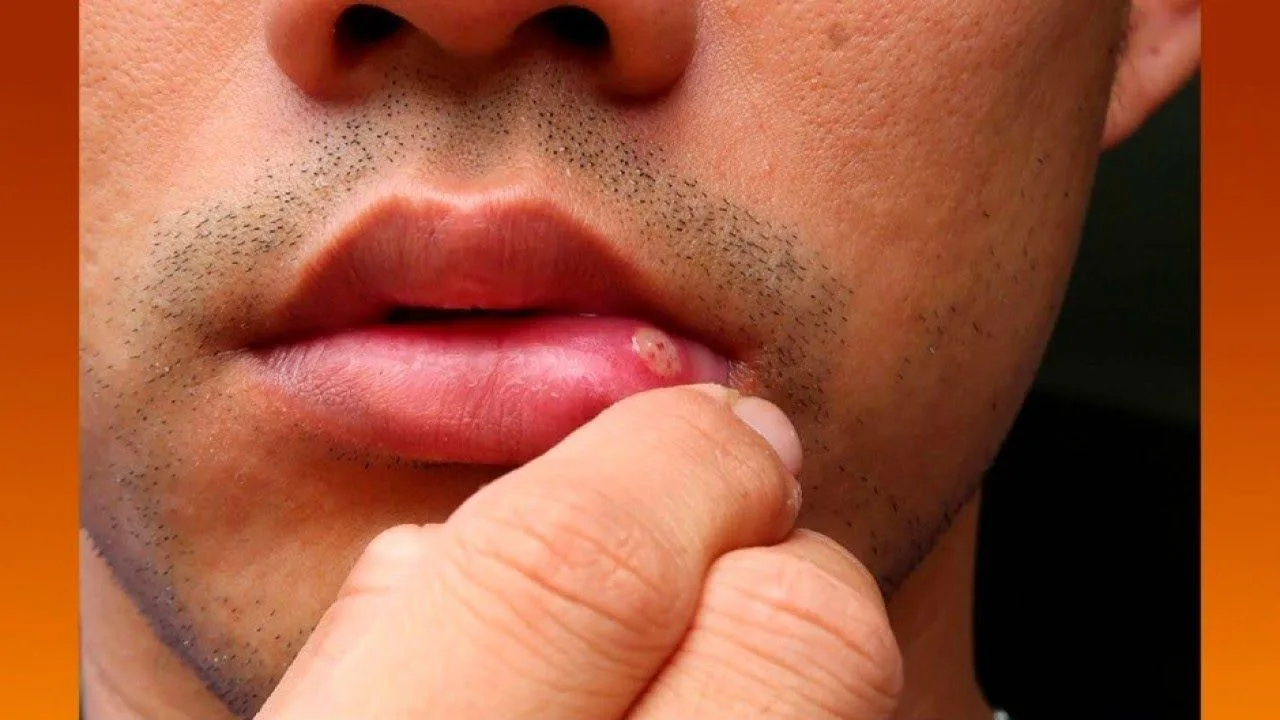
Painful ulcers appearing in the mouth are among the symptoms met most often. They generally resemble a cold sore. At the first stage they form as a raised area, and they then turn into painful ulcers, that is sores. These ulcers generally heal within one to three weeks. They can show themselves in areas such as the cheek, the palate, the gums, the lips and the tonsils, and in most patients they heal without leaving a mark.
Genital lesions, like mouth ulcers, are among the symptoms met most often. Their tendency to recur is very high. Unlike mouth ulcers, however, they do not heal without leaving a mark: in around seventy per cent of patients the lesion tends to heal with scarring. Genital lesions appear in the genital area, most often on the scrotum in men and on the vulva in women.
In
Behçet's disease, tender sores that are red and raised above the skin generally form. In some people spot-like structures also appear, which makes them harder to tell apart from acne.
These generally appear as joint inflammation. Symptoms in the musculoskeletal system are identified in half of all
patients with Behçet's disease. They can show themselves in the knees above all, and in the wrists, the ankles and the elbow joints.
Behçet's disease can cause
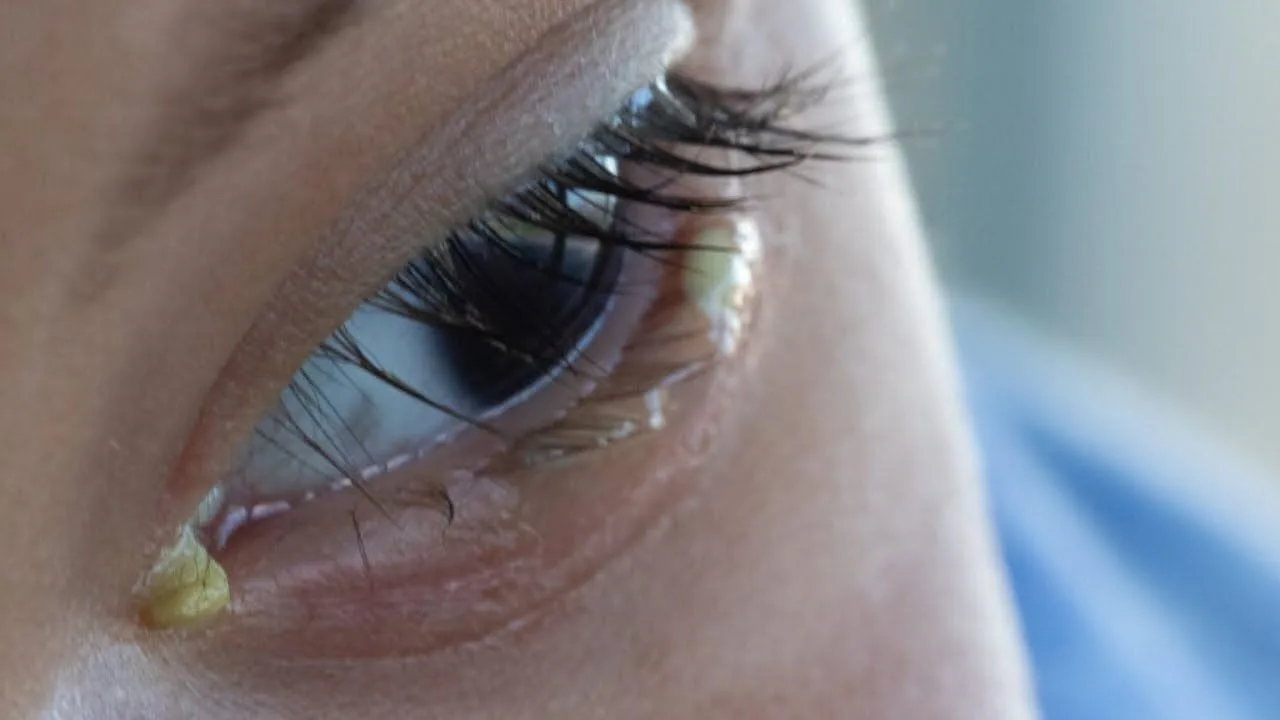
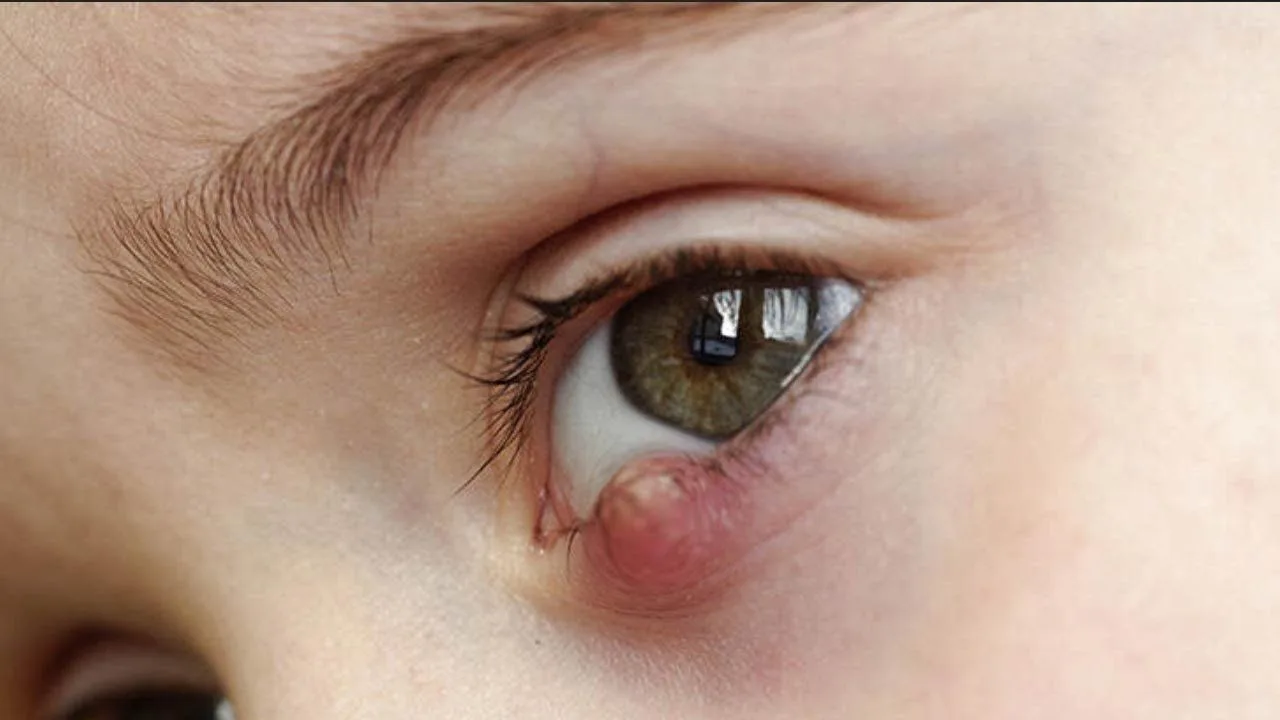
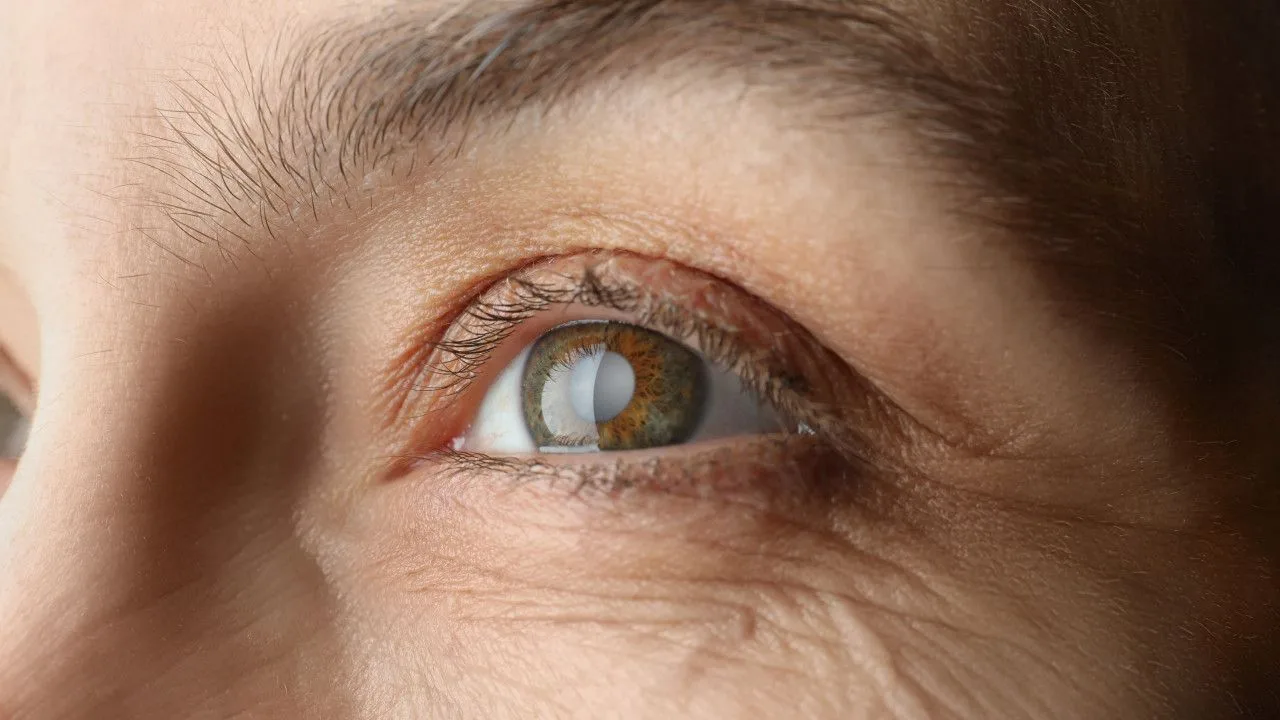
uveitis (inflammation of the middle layer of the eye) and inflammation of the blood vessels of the retina (retinal vasculitis). There may be redness, pain, sensitivity to light, blurred vision or
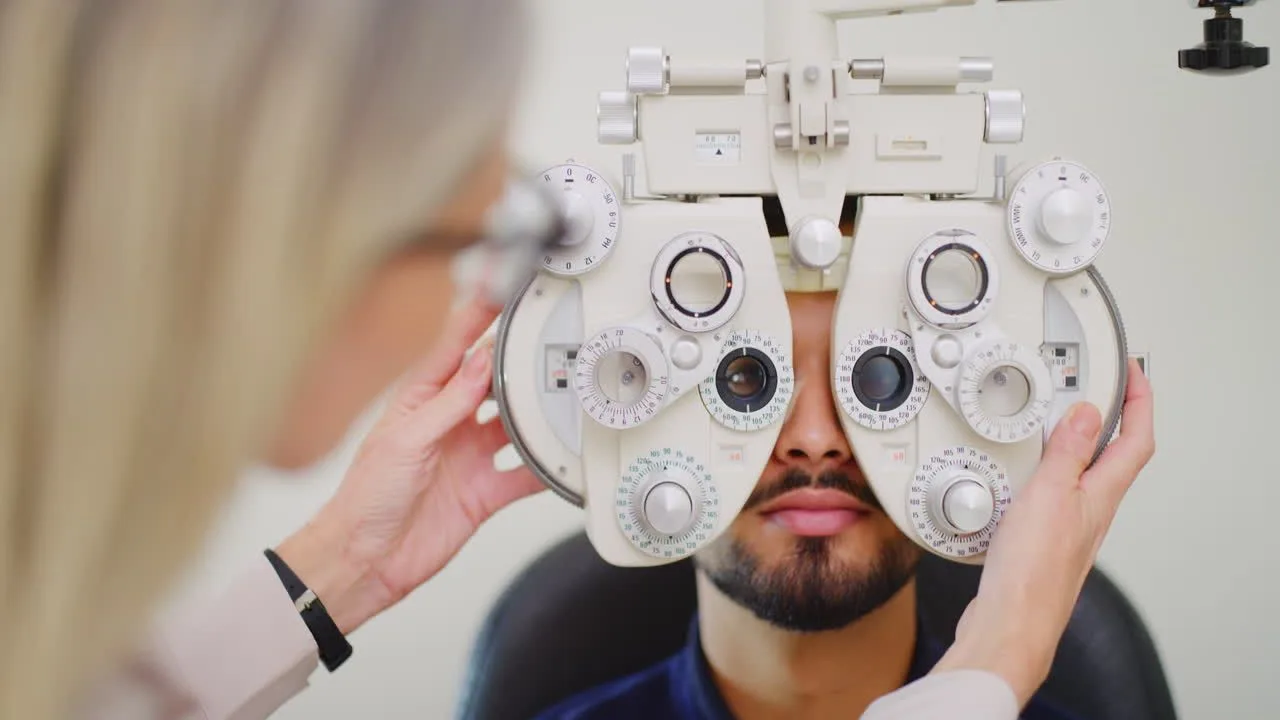
floaters, and both eyes are often affected. Because repeated attacks can lead to permanent loss of sight, everyone diagnosed with Behçet's disease needs regular
eye examinations, even without symptoms. Treatment of eye involvement is planned jointly by an ophthalmologist and a rheumatologist; during an attack, steroid eye drops and, where needed, medicines that regulate the immune system are used.
How is Behçet's Disease Diagnosed?
Behçet's disease is diagnosed clinically. There is no definitive laboratory test for it, so the diagnosis is made from the findings. Because its symptoms are generally the same as those of other conditions, reaching a diagnosis takes time.
Radiological imaging and computed tomography may be requested during diagnosis, in order to establish whether there is damage to the organs or symptoms affecting them. The patient's medical history is generally investigated as well, and the mouth ulcers (aphthae) are expected to have occurred at least three times within a twelve month period.
How is Behçet's Disease Treated?
Once Behçet's disease has been diagnosed, treatment begins. There is no specific method for
treating Behçet's disease, however, the essential reason being that the underlying cause is still not fully known. Treatment is planned according to the symptoms the person shows.
In people with mouth ulcers, antiseptic mouthwashes and creams containing corticosteroid can generally be applied, with the aim of reducing the effects of the symptoms to a minimum.
Because
Behçet's disease shows many symptoms in the eyes, the joints, the immune system and the musculoskeletal system, various treatments are applied. The overall treatment plan varies with the organ the disease is affecting and with how many lesions it has produced. People with this condition must always take medication under the supervision of a doctor and attend their treatment regularly.
The length of time medication is taken is determined by following how long the person's flare-ups last and how long the periods of easing last. The doctor sets the length of treatment according to the organs involved and the course of the disease. Medication can be stopped once the patient's signs have eased, although their signs continue to be monitored by specialists even after it has stopped.
Is Behçet's Disease Contagious?
Behçet's disease arises when the immune system does not follow its normal course and fails to recognise the body's own cells. It therefore takes a course that harms the person's own body, and it cannot pass from one person to another through contact. Behçet's disease is not directly inherited, although genetic predispositions such as HLA-B51 increase the risk.
What is Vitrectomy?