




Eye Diseases
What is Hyperopia (Long-Sightedness)?
- Kudret Eye Istanbul
- Last updated:
- 6 min read
- Medically reviewed by Op. Dr. Mehmet Ali Özdil
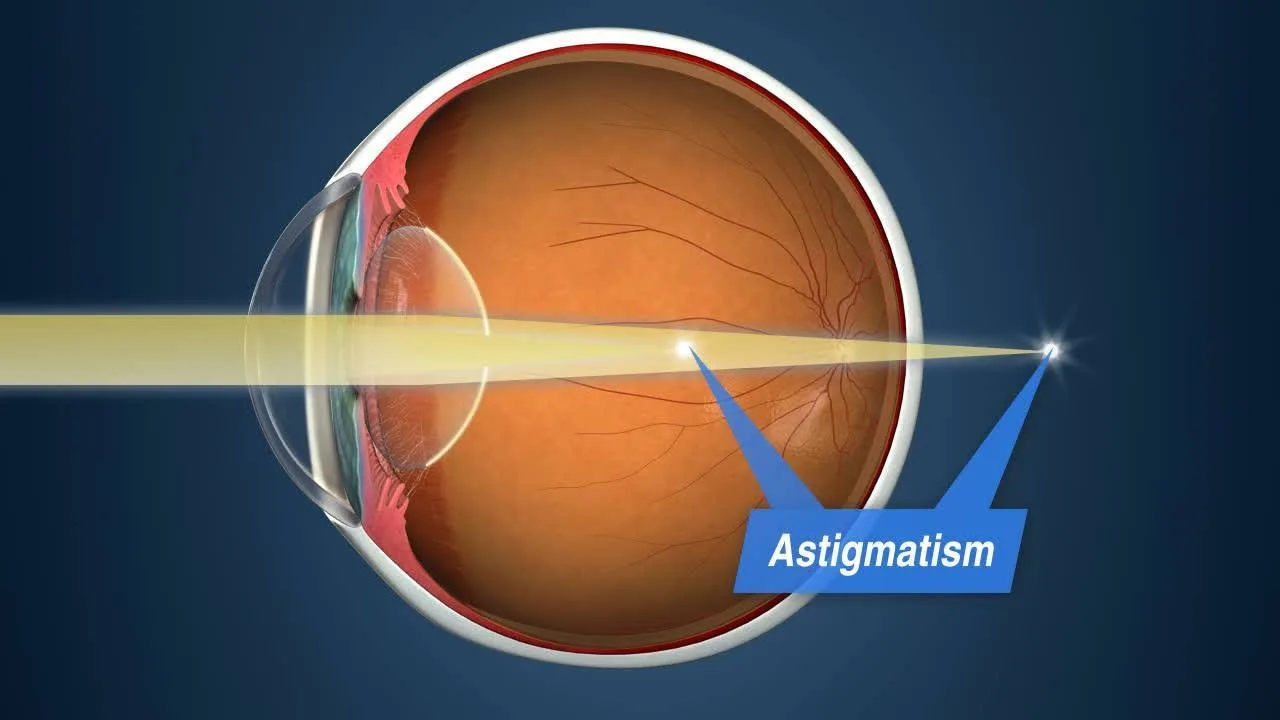
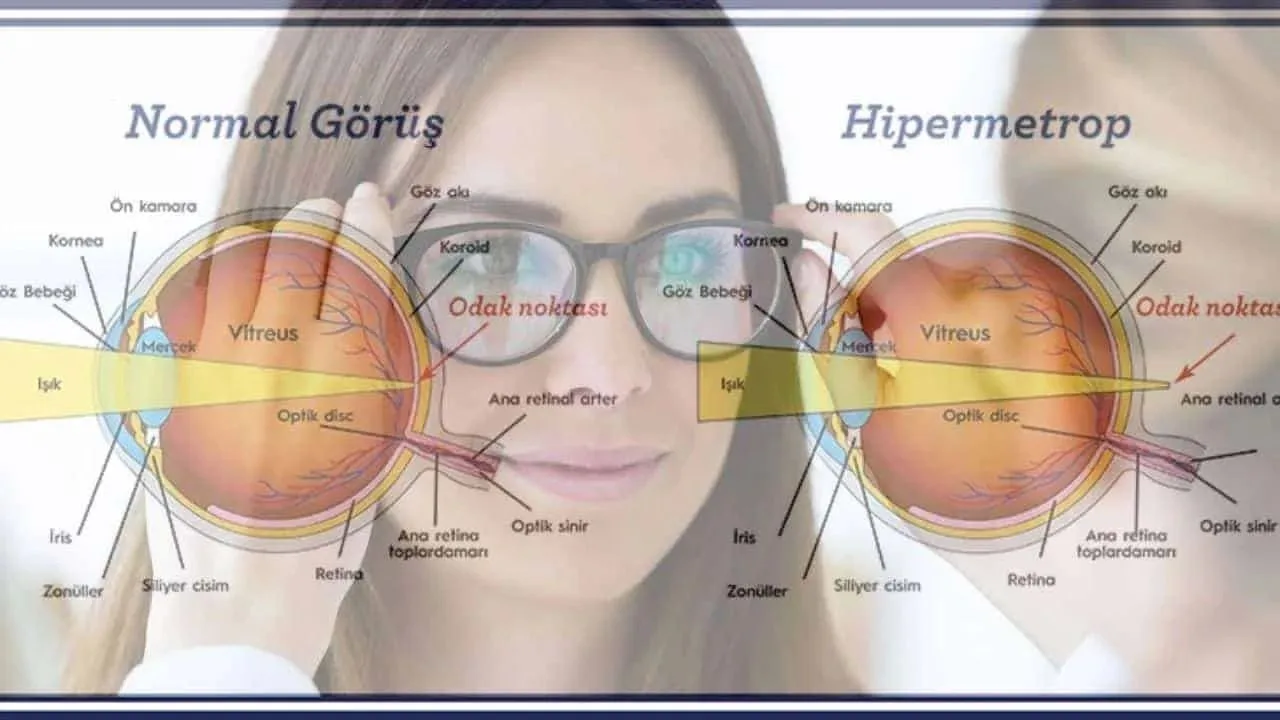
Hyperopia, also known as long-sightedness or far-sightedness, is one of the most frequently asked questions in eye health. It is a refractive error that mainly makes near objects appear blurred; in mild hyperopia distant objects usually stay clear. In a hyperopic eye the image is focused behind the retina rather than on it, so distant objects are transmitted more sharply than close ones. In mild hyperopia the person can usually make out, read and clearly see objects in the distance, but their ability to see up close is reduced; as the degree increases, distance vision also becomes blurred. In some cases this can also lead to strabismus (squint).
The refractive error called hyperopia occurs when light refracted through the cornea and the lens is carried behind the centre of vision, that is, focused behind the retina, which makes near vision unclear. It usually appears from childhood onwards.
In people with hyperopia the eyeball is shorter than normal. Because it has not grown as much as it should, focusing problems follow. People with hyperopia sometimes see letters as though they run into one another while reading or using a phone. After hours of reading or using a computer or phone they may experience headaches and pain around the eyes.
Symptoms of Hyperopia
The most common and obvious of the symptoms of hyperopia is seeing distant objects clearly while nearby objects stay out of focus; when the degree is high, distance vision can become blurred as well. The other symptoms can be listed as follows:- A burning sensation in the eyes
- Blurring of nearby objects
- Eye strain
- Squinting in order to see clearly
- Redness of the eyes
- Difficulty focusing
- Lazy eye (amblyopia)
- Blurred night vision
- Headache and eye pain after using the eyes intensively for long periods
Diagnosis of Hyperopia
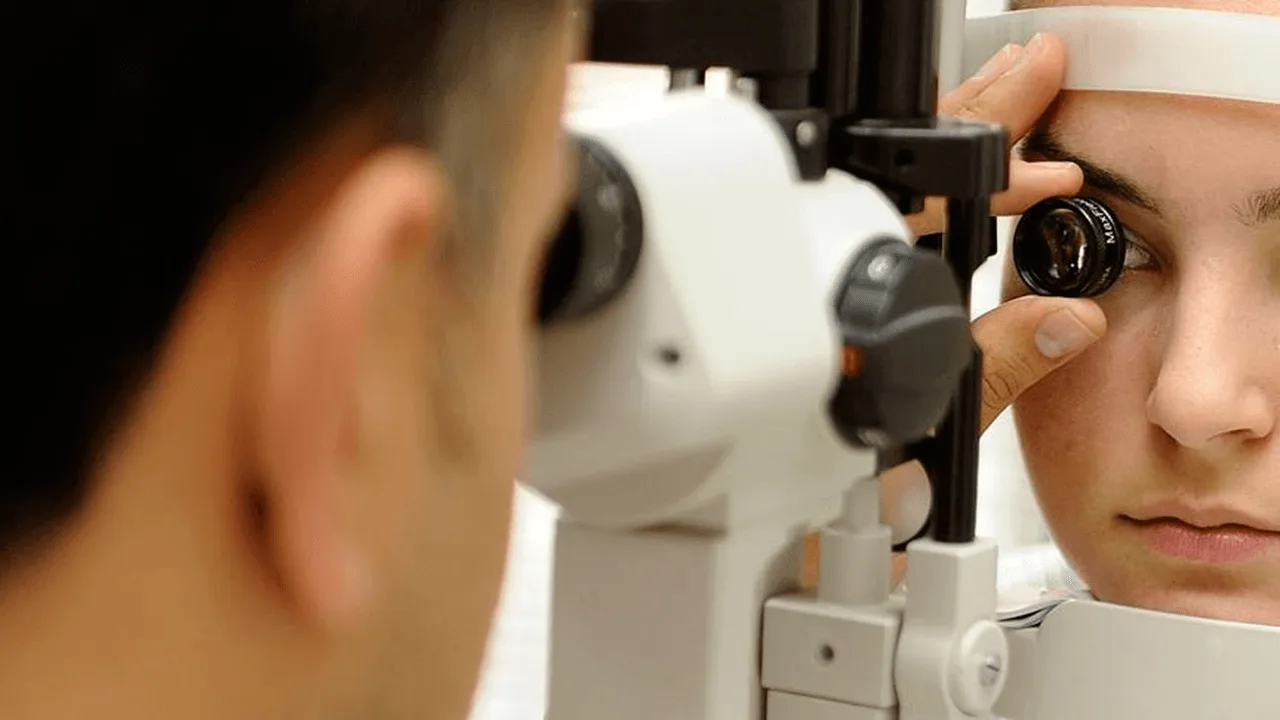
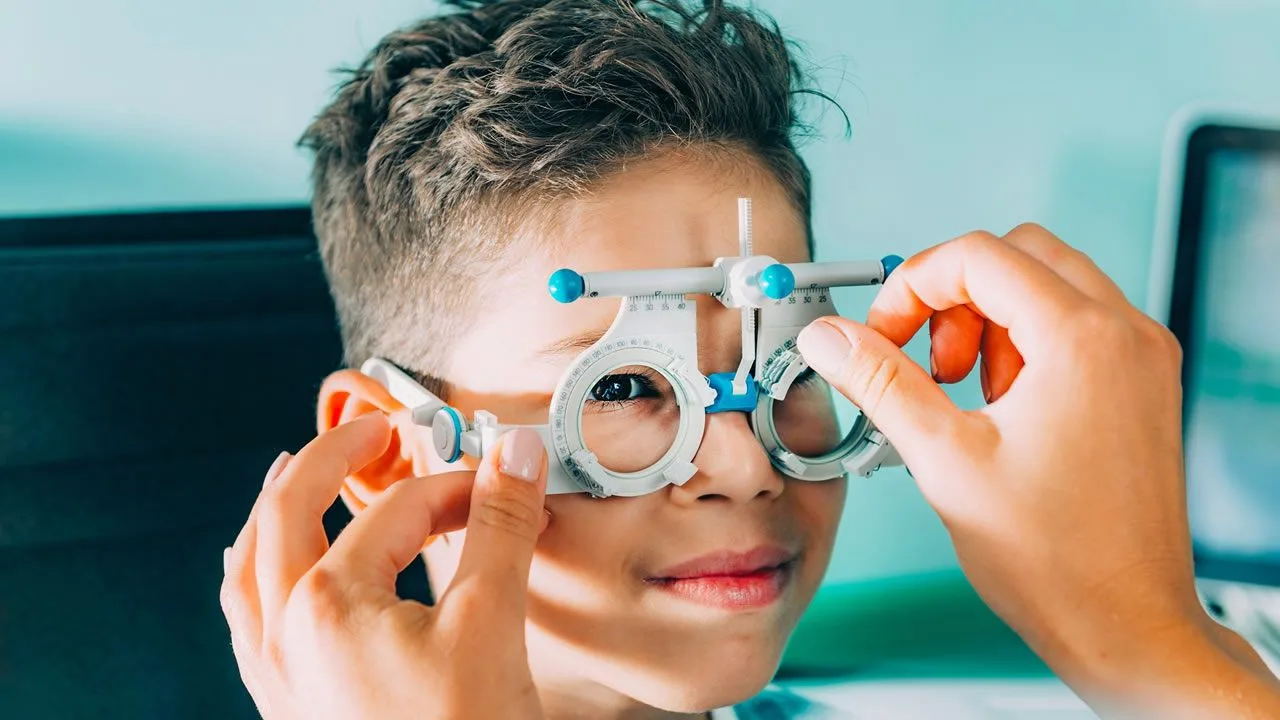
A specialist must be consulted for a diagnosis of hyperopia. When the symptoms are observed and have continued for a long time, an examination is essential, because those symptoms may also point to other significant conditions. Diagnosis focuses on the clinical findings and on the symptoms the person experiences. Using instruments alongside their own measurements, the ophthalmologist determines the degree of hyperopia. The findings and data obtained are then used to offer suitable treatment options, and glasses or contact lenses are prescribed. The clinical findings of hyperopia are:- A flat cornea
- Reduced near visual acuity
- An eyeball smaller than normal
Hyperopia Treatment
Many methods are used today for hyperopia treatment. Patients who have no symptoms, or whose prescription is not advanced, are followed closely. Those who present with clear symptoms are treated, and in some cases treatment can remove the complaints altogether. Where hyperopia has been diagnosed, different treatment options can be applied. The main aim of these treatments is to make light fall and refract at the correct point on the retina. Convex lenses, which are thinner at the edges, are among the methods used.
Treatment with Glasses
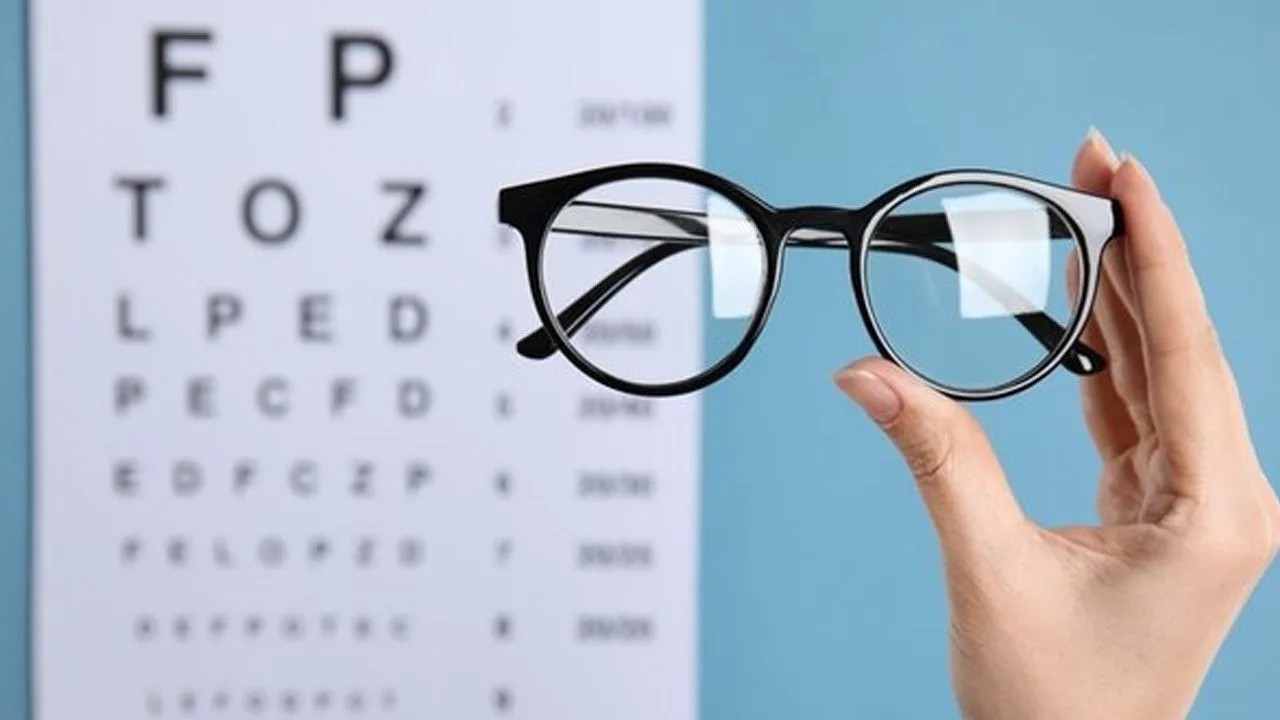
Glasses and contact lenses are both among the treatments applied, and laser or other surgical procedures are sometimes used. The most commonly recommended and applied method is treatment with glasses, which is both more economical and more accessible. In people with a high prescription, however, the lenses can become noticeably thicker. Fortunately, thinning options are available.Contact Lens Treatment
Apart from glasses, contact lenses are the method used most often in the treatment of hyperopia. There is one important detail to keep in mind with lens use: care and hygiene are extremely important. When wearing glasses, the need to touch or clean them is always greater. Contact lenses, by contrast, need no further contact from the moment they are placed in the eye until they are removed. Even so, hands must always be clean when inserting them and the lens solution must be changed with every use. Otherwise eye infections can occur. If the person has dry eye or a sensitive eye, artificial tears may also be recommended alongside lens use. Lenses are also more suitable for people who lead an active life. They are unaffected by rain and weather conditions and provide comfort during activities such as sport. They must, however, be looked after well, with close attention to hygiene. Dry eye can appear after lens use even in someone who did not have it beforehand, and artificial tears are used for this.Laser Eye Surgery
Laser surgery is carried out according to the person's preference and suitability. The structure of the cornea is analysed in order to understand whether patients are suitable for the laser procedure. It can be applied to hyperopia of up to +5 dioptres with iLASIK, PRK / No Touch Laser, although this can vary with the structure of the cornea. ReLEx SMILE PRO is used only for myopia and astigmatism, not for hyperopia. Care is needed during recovery and the surgeon's instructions must be followed. Not everyone's eye structure is suitable for laser surgery, and in that case turning to the other treatment options is more useful. Surgery, contact lenses and glasses are the methods used most often in the treatment of hyperopia. The most appropriate method is determined according to the person's preference and suitability. Laser treatment is generally applied with methods such as iLASIK, LASIK, No Touch Laser and PRK. It is a low-risk procedure, generally with only mild discomfort, taking an average of five to ten minutes in total for both eyes. During the operation, performed with local anaesthetic drops, the shape of the cornea is reshaped with the laser so that the focusing power of the eye is corrected. When patient selection is done properly the complication rate is very low, and most people begin to see clearly the following day. Hyperopia can therefore be treated in a practical way, with a short recovery time and a high success rate.Frequently Asked Questions (FAQ)
- 1
Can hyperopia be cured completely?
In suitable candidates, laser treatment or surgery can provide a permanent correction. Glasses and contact lenses correct the refractive error but do not remove it. - 2
Are hyperopia and presbyopia the same thing?
No. Hyperopia can be present from birth or from a young age, whereas presbyopia develops as the lens of the eye loses its flexibility with age. - 3
What are the symptoms of hyperopia?
Blurred near vision, eye strain, headache, sometimes strabismus and blurred night vision. - 4
Which treatments are used for hyperopia?
Glasses, contact lenses, laser surgery or an intraocular lens (IOL) implant. - 5
Does hyperopia matter in children?
Yes. At higher degrees in particular it can lead to lazy eye if left untreated, so regular check-ups are important. Read more about myopia and hyperopia treatment