





Eye Diseases
How Do People with Astigmatism See?
- Kudret Eye Istanbul
- Last updated:
- 6 min read
- Medically reviewed by Op. Dr. Mehmet Ali Özdil
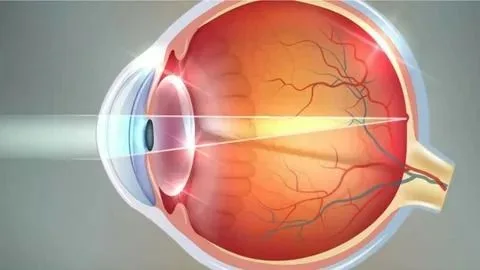
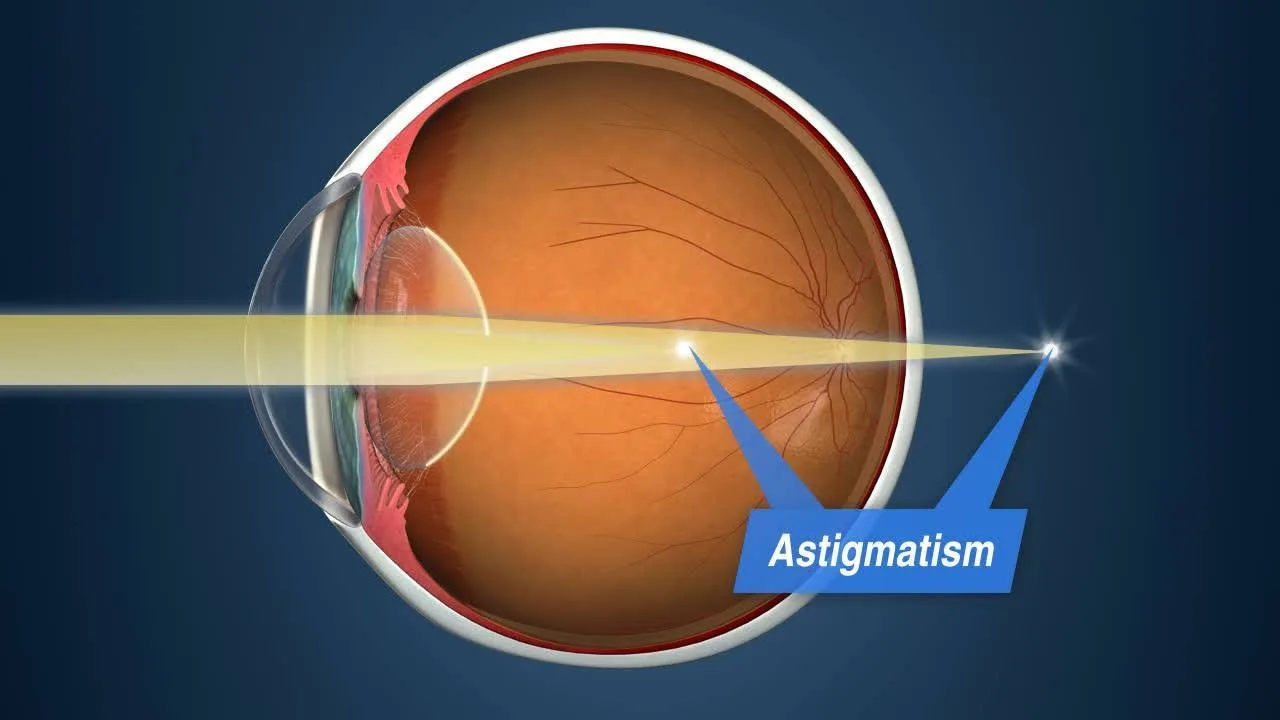
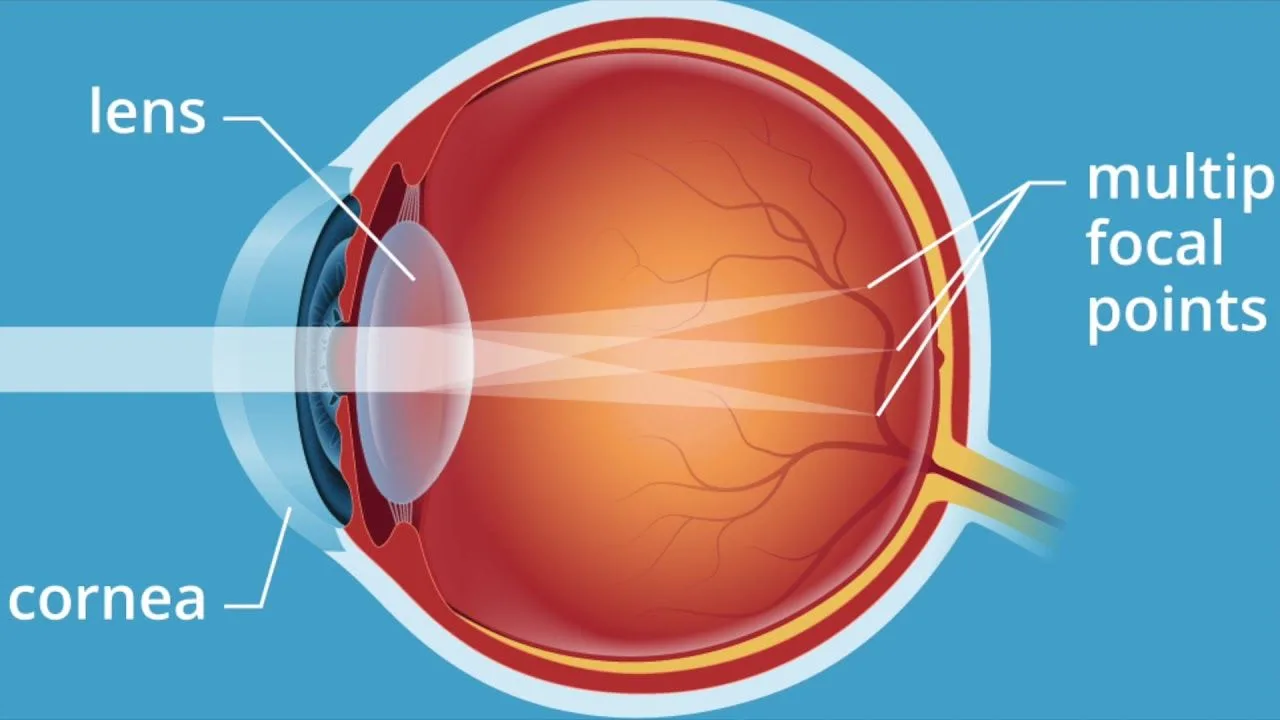
How people with astigmatism see is a question asked by those who notice its symptoms. Astigmatism is a refractive error that makes the objects and people around a person appear blurred. The cause is that the cornea at the front of the eye is not perfectly round. Because it is not perfectly round, light entering the eye is refracted unevenly, and the result is that the person sees both distant and nearby objects as blurred.
Alongside the refractive error, astigmatism can bring a number of other complaints. Because the surroundings look blurred, symptoms such as tiredness in the eyes, an inability to drive at night, headache and squinting all appear.
For astigmatism to be diagnosed, eye examinations and tests are carried out by specialists, after which the diagnosis is made straightforwardly. Treatment is then planned according to the person's situation. Glasses or contact lenses are generally chosen in order to remove the blurring, and in recent years the laser technologies that have emerged have also made it possible to correct it.

What Causes Astigmatism?
Astigmatism is a refractive error that appears where the structure of the cornea and the lens of the eye differs from that of other people. It is generally hereditary, that is it comes from the family and is present from birth. It can also appear through situations such as pressure on the cornea from the eyelids or injury to the eyes. Its other causes are:- Genetic factors
- Complications arising during eye surgery
- Eye injuries
- Pressure on the cornea from the eyelids
- Keratoconus
- Eye surgery
What Are the Symptoms of Astigmatism?
The symptoms of astigmatism are generally noticed by the person, because the condition reduces their quality of life. They usually realise there is an additional problem because of the difficulty they are having with their vision. Where symptoms appear or worsen, an ophthalmologist should be consulted as soon as possible and the necessary treatment begun early. The symptoms are:- Blurring of the image when looking at nearby and distant objects
- Headache
- Watering of the eyes
- A greater decline in night vision
- Squinting in order to bring vision into focus
- Dizziness appearing from time to time
- Tiredness in the eyes
What Are the Degrees of Astigmatism?
Astigmatism is one of the refractive errors of the eye, and depending on its degree it affects quality of life considerably. The degree of astigmatism is measured with a unit called the dioptre. It generally begins at 0.25, and there are people whose degree rises as high as 6.00. The dioptre value plays a large part in determining how the condition will be treated. The degrees are examined in three main categories:- Low degree astigmatism: this describes degrees generally below 0.75 D. It is regarded as mild astigmatism, that is the beginning stage. In people at this degree the symptoms very rarely appear in daily life.
- Moderate astigmatism: this describes degrees generally between 0.75 and 2.00 D. In people at this degree, noticeable blurring appears in vision for both distant and nearby objects. In order to see clearly and reduce the symptoms, they begin to wear glasses and contact lenses in daily life.
- High degree astigmatism: this is determined for degrees above 2.00 and is also described as severe astigmatism. The daily quality of life of people at this degree falls considerably, and they have great difficulty seeing clearly. Alongside blurring, objects also appear distorted and wavy. Glasses, lenses or refractive surgery such as LASIK are generally used in the course of treatment.
How is Astigmatism Diagnosed?
For a diagnosis of astigmatism, the doctor first listens to the complaints the person has and to their family history. Routine eye examinations are carried out alongside, and the diagnosis is strengthened further with an autorefractor and retinoscopy. Once astigmatism has been diagnosed, where progressive astigmatism is suspected, measurements are taken with corneal topography. Through early diagnosis, treatment can then be carried out more quickly. The degree of corneal curvature is examined with a keratometer, and this measurement is particularly important in determining whether someone who wants lenses rather than glasses is suitable for contact lenses.
Treatment of Astigmatism
There are many methods in the treatment of astigmatism, and which is applied varies with the person's situation. Glasses and contact lenses are generally used at the first stage. To gain the result wanted from treatment, however, attending regular check-ups matters a great deal, because astigmatism is not a condition that heals on its own. On the contrary, your degree can rise over time and more severe symptoms can follow. The methods applied in the treatment of astigmatism can be listed as follows:- Prescription astigmatism glasses made for the individual
- Contact lenses
- The various laser treatments that can be applied
- Toric intraocular lenses (monofocal or trifocal toric), which correct astigmatism
- Intraocular lenses
- Phakic intraocular lens surgery
- Ages 18 to 45:
- Ages 45 and over:
Can Astigmatism Be Prevented?
Astigmatism is unfortunately not a condition that can be prevented. The reason is that some people inherit it from their mother or father, while in others it appears as the eyes grow. Where it is a genetic defect in particular, prevention is not possible. Although astigmatism cannot be prevented, it is important that it is detected early through regular eye examinations and corrected. What is ptosis surgery for a droopy eyelid?Frequently Asked Questions
- 1
How does someone with astigmatism see?
Both near and distant images can be blurred and shadowed, and scattering can be seen around lights. - 2
Does astigmatism progress?
It can begin in childhood and progress. It should be followed with regular examinations. - 3
Does astigmatism clear completely?
It does not correct itself. It is brought under control with glasses, lenses or surgery. - 4
Can astigmatism be corrected with laser?
Yes, in patients whose eye structure is suitable, astigmatism can be corrected with laser methods. - 5
Does astigmatism cause headaches?
Yes, uncorrected astigmatism in particular can lead to eye strain and headache.