




Eye Diseases
How to Treat Inflammation at the Lash Line
- Kudret Eye Istanbul
- Last updated:
- 5 min read
- Medically reviewed by Op. Dr. Mehmet Ali Özdil
Questions such as how inflammation at the base of the lashes clears and why it forms matter for eye health. Inflammation at the base of the lashes can be the warning of certain conditions, and it can equally be a sign of poor hygiene. Inflammation at the lash line, known as blepharitis, is chronic inflammation of the oil (meibomian) and sweat (Zeis and Moll) glands at the edge of the eyelid. Although poor hygiene is a trigger, seborrhoeic dermatitis, rosacea, Demodex mites, staphylococcal colonisation and allergies are common causes as well. Inflammation at the lash line can also become chronic. Oil glands lie in the parts of the eyelid close to the lashes, and these glands can become blocked for various reasons, after which problems such as a stye and inflammation at the lash line follow.
This condition of the eyelid affects the skin differently in some situations. It can also lead to dryness of the skin and similar complaints. Meibomian gland dysfunction disturbs the lipid layer of the tear film, which increases dryness of the ocular surface and the sensation of burning and stinging. With the fall in tears, dry eye can also appear. It is a situation that affects both vision and health considerably.
Treating inflammation at the lash line can take a long time depending on the situation. The condition recurring also affects a person's psychology and their daily life.
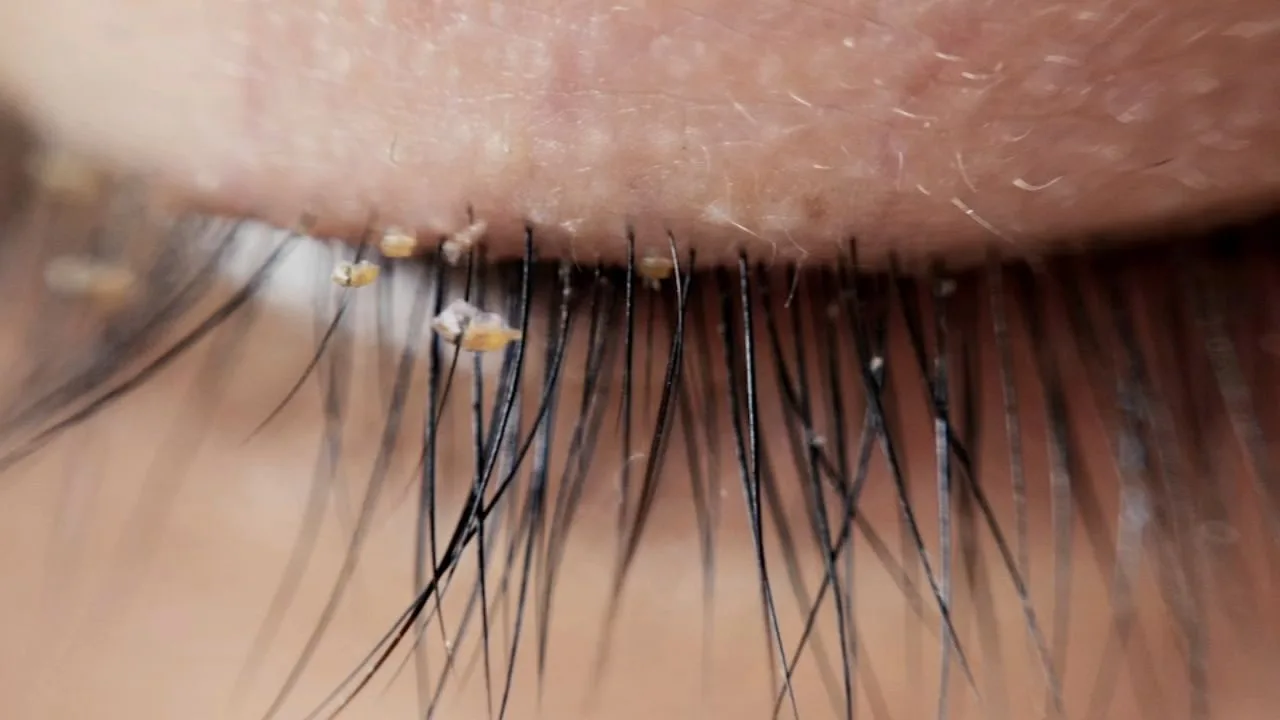
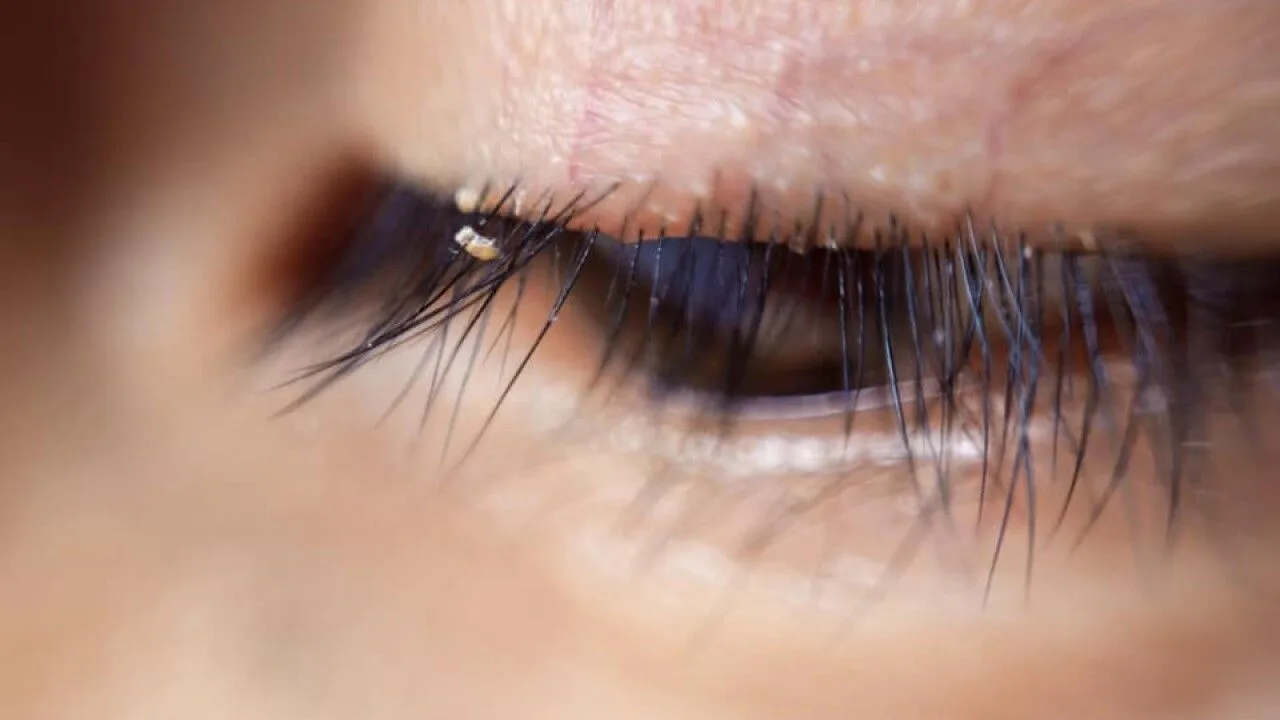
What is Inflammation at the Lash Line?
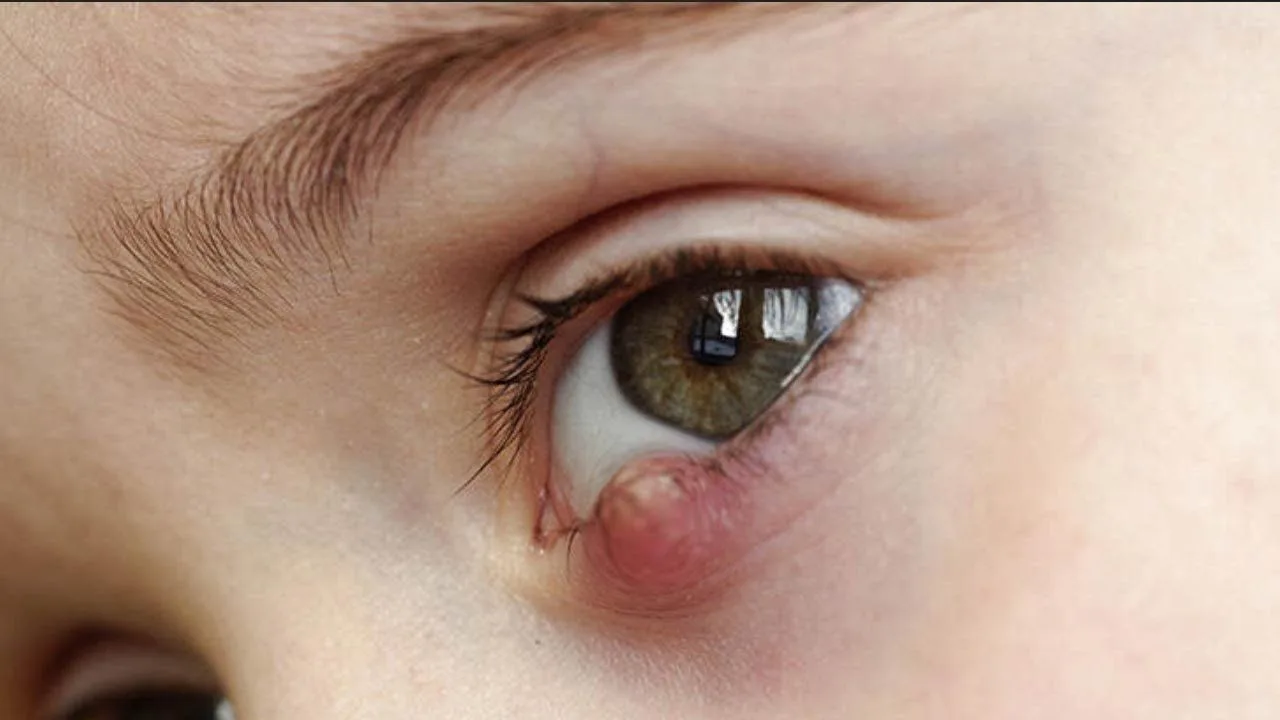
Before its causes, it matters to know the answer to what inflammation at the lash line is. It is known medically as blepharitis. A great many people have experienced something similar at least once. The condition begins to show itself in the eyelids. It can also present with blockage of the oil glands at the edge of the eyelid. Oil glands lie in the area of the eyelids where the lashes emerge, and where those glands release too much oil, they can become blocked. Certain reactions are observed as the oil glands in the eyelids become blocked. They are redness of the eye, irritation, burning and watering. At more advanced stages, crusting and flaking of the eyelids are observed. There are differences between a stye and inflammation at the lash line. A stye that does not clear can leave a chalazion, a blocked-gland cyst, which may need to be removed surgically if it persists. Although blepharitis does not create a vision problem as a stye does, it still needs to be treated.
Symptoms of Inflammation at the Lash Line
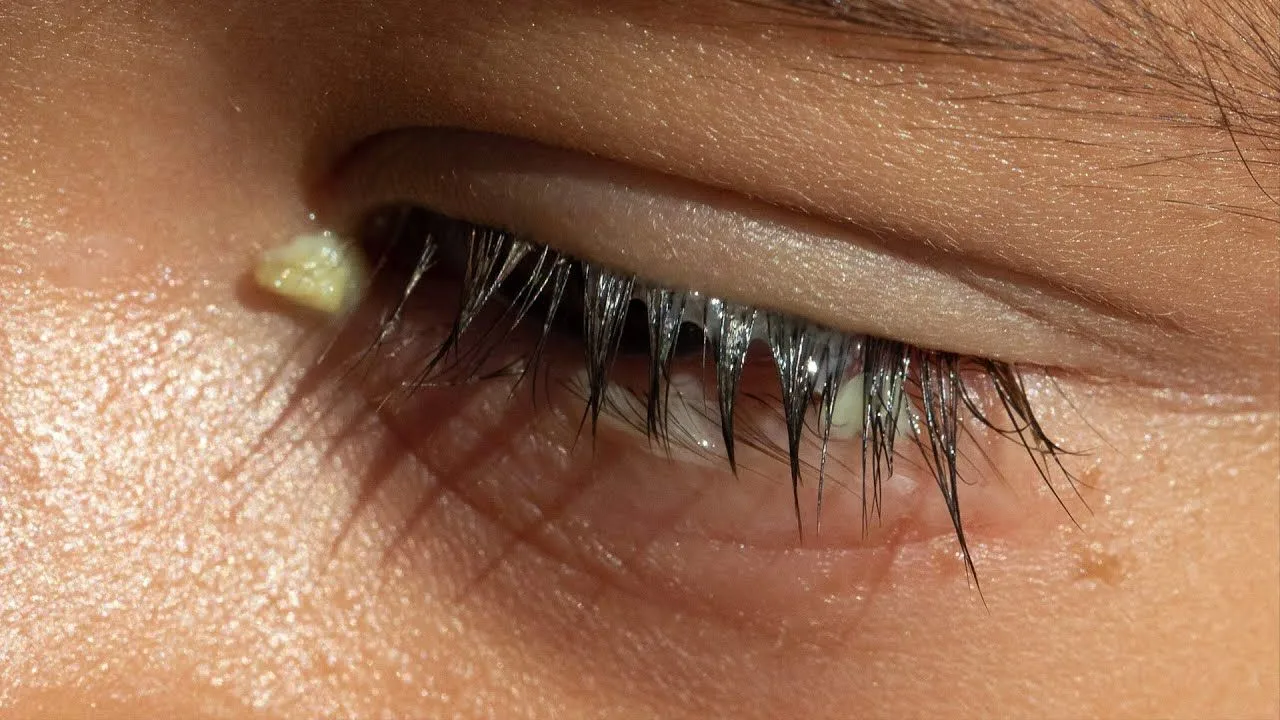
The symptoms of inflammation at the lash line can sometimes resemble those of a stye. The condition occurs in two forms, anterior and posterior. Anterior blepharitis affects the front of the lid margin, where the lashes emerge. Posterior blepharitis forms inside the eyelid and affects the oil glands, which can lead to other problems. The general symptoms are:- Scaly, greasy crusting at the base of the lashes
- Loss of lashes (madarosis) or lashes growing in the wrong direction (trichiasis)
- Excessive sensitivity to light
- Swollen eyelids with an oily appearance
- Dry eye, redness of the eye, a stinging sensation and watering
- Blurred vision and watering while using a computer
- An irregular contour or asymmetric swelling at the lid margin
- Stye: a painful swelling filled with fluid that forms on the eyelid close to the lash root.
- Conjunctivitis: inflammation of the conjunctival membrane, a form of inflammation that occurs on the inner side of the eyelid.
- Keratitis: a form of inflammation that appears in the cornea.
Causes of Inflammation at the Lash Line
Many things fall among the causes of inflammation at the lash line. In some situations parasites can be the cause. The causes are:- The oil glands inside the eyelid working without control
- Contact lens solutions not being kept clean
- Eye creams and similar products used
- Sleeping in make-up
- Bacteria and infections
- Poor hygiene
How Does Inflammation at the Lash Line Clear?
Questions such as how inflammation at the lash line clears or how it is prevented are widely asked. There are ways of protecting against it. Taking hygiene seriously matters a great deal. Certain points should be observed: inserting lenses with clean hands and changing the solution frequently, not sleeping in make-up and not letting dirty hands touch the eye. The doctor's advice should be followed, and where medication has been prescribed it should be used regularly. Beyond this, the following can be applied:- A warm compress at around forty degrees for five to ten minutes, two to four times a day, together with lid massage, is the basic treatment.
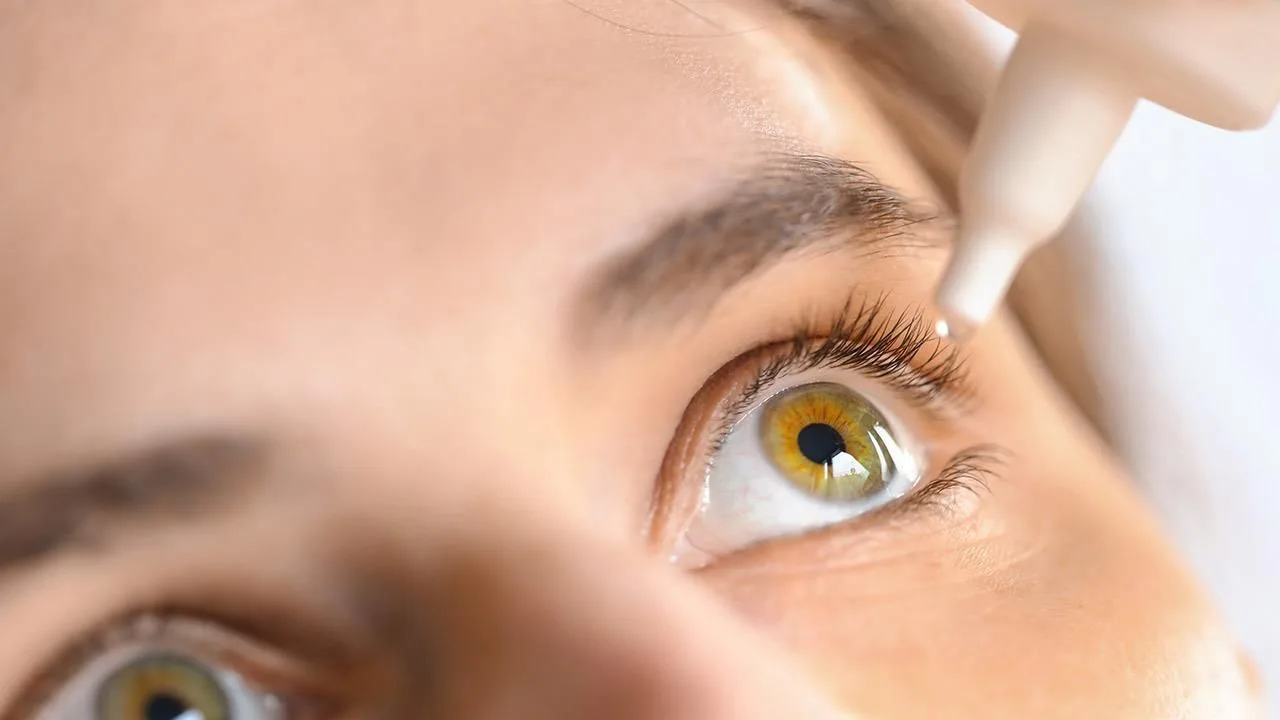
- Where dryness has followed the inflammation, artificial tears are used.
- Supplements such as omega 3 can, on a doctor's advice, support the function of the eyelid glands.
- With a warm compress applied to the eye, the inflammation loosens and the lash roots open, which accelerates recovery.
- Contact lenses, eyeliner and mascara should be given up during treatment.