




Eye Diseases
What Should Eye Pressure Be?
- Kudret Eye Istanbul
- Last updated:
- 5 min read
- Medically reviewed by Op. Dr. Mehmet Ali Özdil
Eye pressure, that is intraocular pressure, is the pressure applied by the fluid within our eye. Eye pressure matters a great deal in preserving the structure of the eye. A change in intraocular pressure can damage the optic nerve to a greater or lesser degree and lead to glaucoma. High pressure within the eye damages the optic nerve and can therefore lead to permanent sight loss, the most dangerous symptom of glaucoma. This text sets out in detail the normal values of eye pressure, what high and low values can lead to, the risk factors and conditions involved, the symptoms and the treatments.
What is Eye Pressure?
Glaucoma is an insidious condition. A person may not realise they have it, because it begins with a gradual loss of vision. By the time glaucoma is noticed it can have caused irreversible sight loss, which is why early diagnosis is critical. Described medically, the eye contains a transparent fluid called aqueous humour. It is produced regularly in the front section of the eye and drained through the channels within it. Intraocular pressure is maintained by the balance between the production of aqueous humour and its drainage through those channels. If that balance is disturbed and the fluid cannot be drained properly through the small channels, the eye pressure rises. Normal eye pressure preserves the shape and function of the eyeball and prevents harm to the eye. If the pressure rises too far it presses on the optic nerve, which can damage the nerve cells that allow us to see. If that damage is left untreated it can lead to irreversible sight loss. Intraocular pressure should not be lower than 10 mmHg or higher than 21 mmHg. Below 21 mmHg is preferred. A reading above 21 mmHg is considered high and calls for an assessment for glaucoma, although certain factors can raise the value. Where the cornea is thicker than normal, the eye pressure can read high. Intraocular pressure generally does not fall below 10 mmHg, although readings of 6 mmHg are occasionally seen. A fall this far can indicate that the fluid within the eye is not being produced in sufficient quantity, or that there is a problem with the integrity of the eye. Intraocular pressure above 21 mmHg means that eye pressure is high and creates a risk of glaucoma. Not every high reading means the condition is present, however. In some people the nerves that allow us to see are not damaged despite high pressure, and this situation is called ocular hypertension. Normal tension glaucoma: here the intraocular pressure lies within the normal range and yet the nerves that allow us to see can still be damaged. For that reason, measuring intraocular pressure alone is not enough in an eye examination. Optic nerve and visual field tests matter as well.
Causes of High Eye Pressure
The main causes of high intraocular pressure are:- Blockage in the channels that drain fluid from the eye
- A family history of glaucoma
- Being aged forty and over
- Diabetes
- High blood pressure (hypertension)
- Long-term corticosteroid treatment or medication containing corticosteroid, whether drops, tablets or injections
- Damage to the eye and certain eye conditions
What Happens If Eye Pressure Rises?
When eye pressure rises it often gives no symptom and advances silently. As time passes, however, the following problems can appear:- Damage to the optic nerve
- A reduction in the field of vision
- Sight loss moving from the edges towards the centre
- Permanent blindness where no treatment is applied
What Does Low Eye Pressure Mean?
Intraocular pressure below 6 mmHg can point to certain problems in the eye:- Leakage at a later stage where there has been an injury to the eye
- Insufficient production of fluid within the eye
- Side effects following eye surgery
How is Eye Pressure Measured?
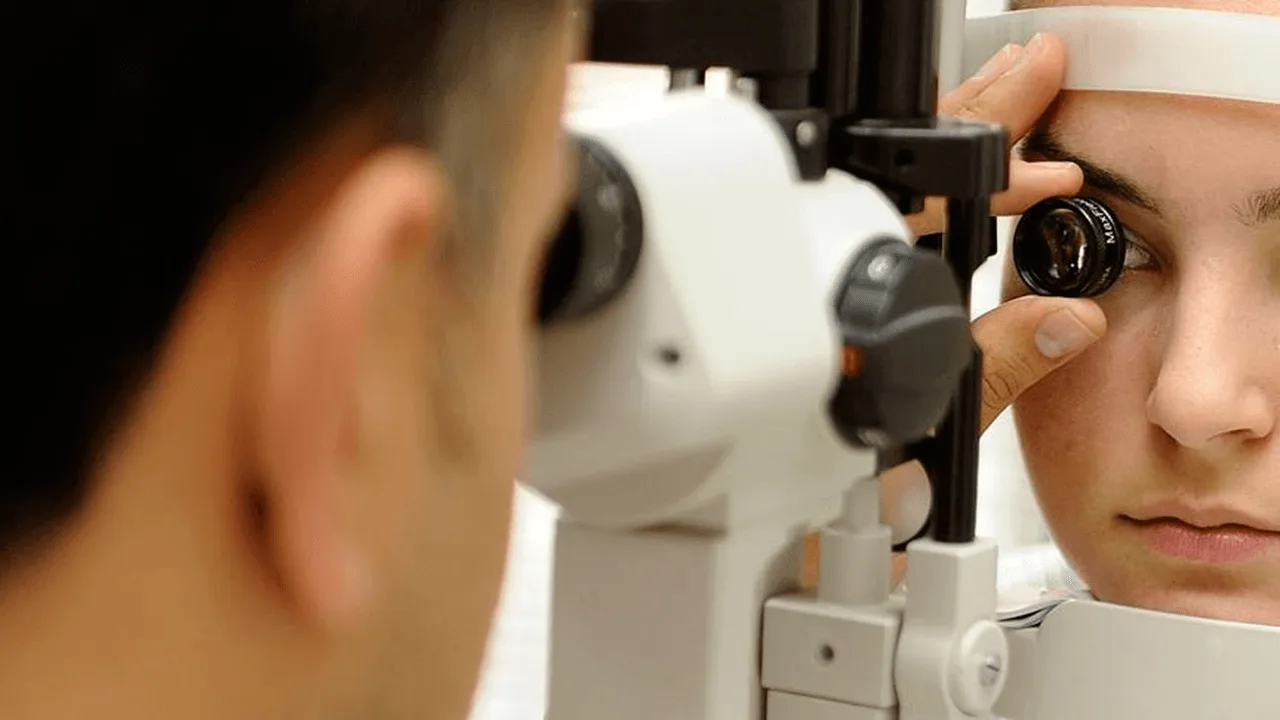
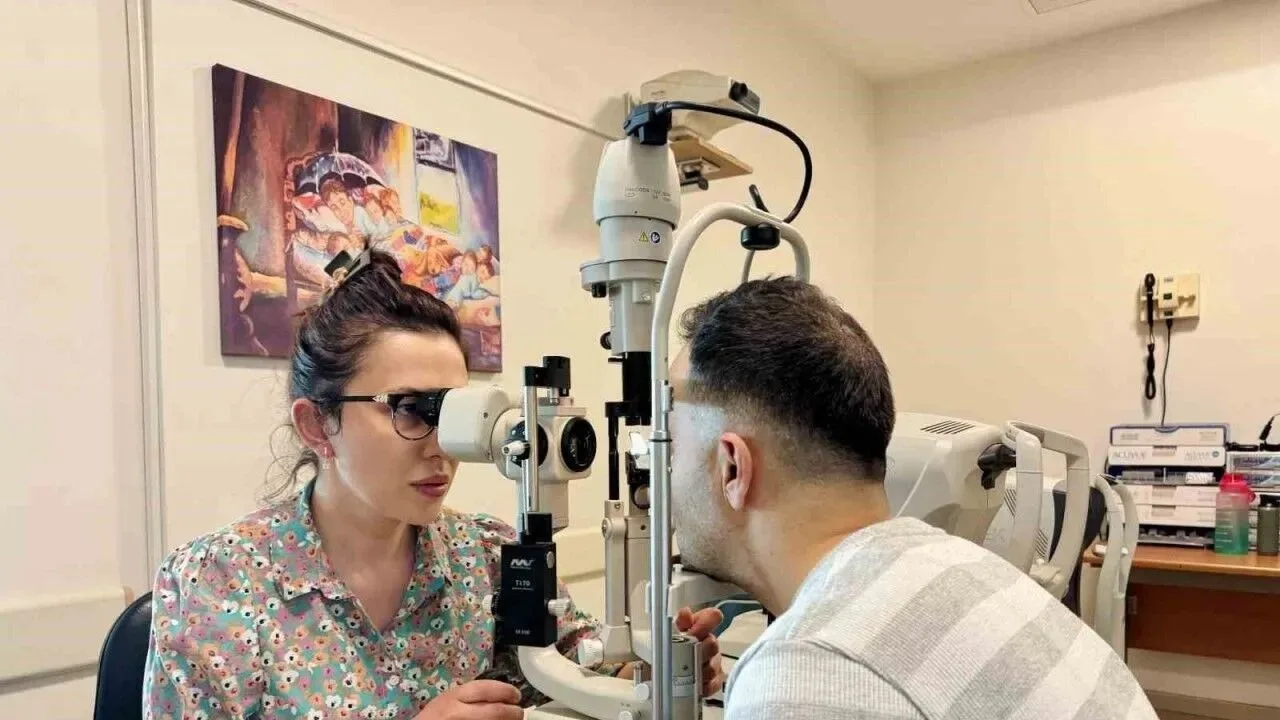
Eye pressure is measured through tests carried out in ophthalmologists' practices or in hospitals. The methods generally used are:- Applanation tonometry: the most important standard method.
- Non-contact (air puff) tonometry: this takes a sterile measurement without touching the person's eye.
- Portable devices: these can be used for patients who are disabled or unwell, or who prefer measurement at home.
Who Should Have Their Eye Pressure Measured?
- Because it is seen more in later life, people over forty should be measured once a year.
- People with a family history of glaucoma should be measured more often, because genetic factors play a part.
- Patients with diabetes and high blood pressure should be measured at regular intervals.
- People taking corticosteroids should be under a doctor's supervision.
How is High Eye Pressure Treated?
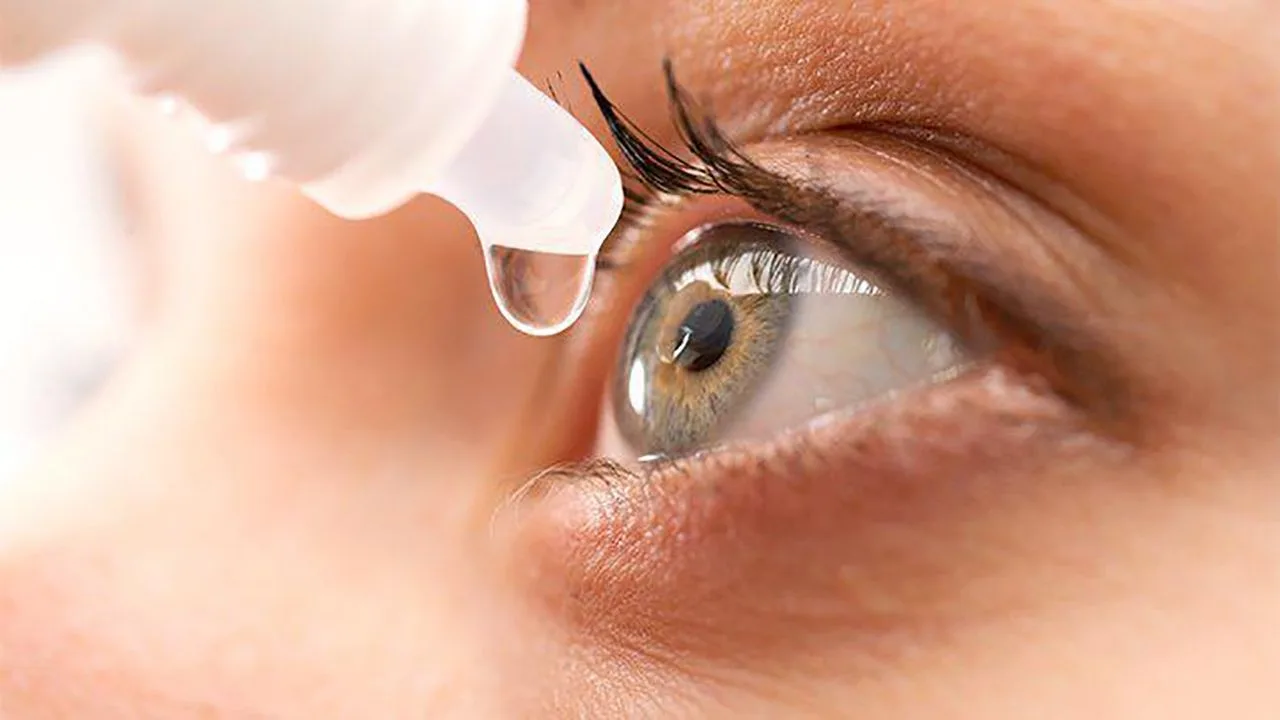
Treatment for high eye pressure varies with the type of condition and with the patient's situation:- Medication, such as eye drops: the first option that comes to mind and the one most easily applied in bringing intraocular pressure back to normal.
- Laser treatment: this opens blockages in the channels that drain fluid from the eye, or makes it easier for the fluid to drain away.
- Surgery: applied as a last resort where medication and laser treatment are not enough to correct abnormal eye pressure.