




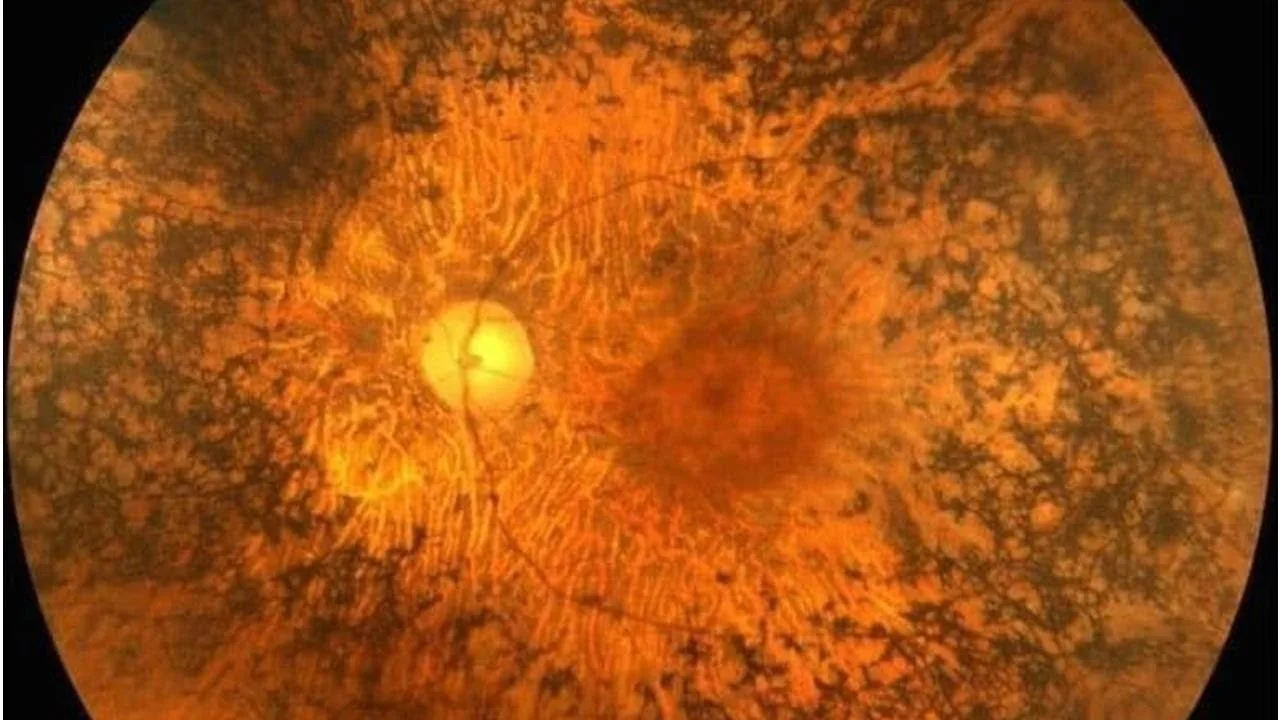
Eye Diseases
What is Retinitis Pigmentosa?
- Kudret Eye Istanbul
- Last updated:
- 7 min read
- Medically reviewed by Op. Dr. Mehmet Ali Özdil
Retinitis pigmentosa is one of the causes of night blindness, although the two are not the same thing. It is one of the genetic eye conditions. In the early stages people generally consult a doctor saying that their vision at night has fallen and that they have difficulty seeing. In the advanced stages, a reduction in daytime vision occurs as well. The person's quality of life thereby falls and sight loss follows.
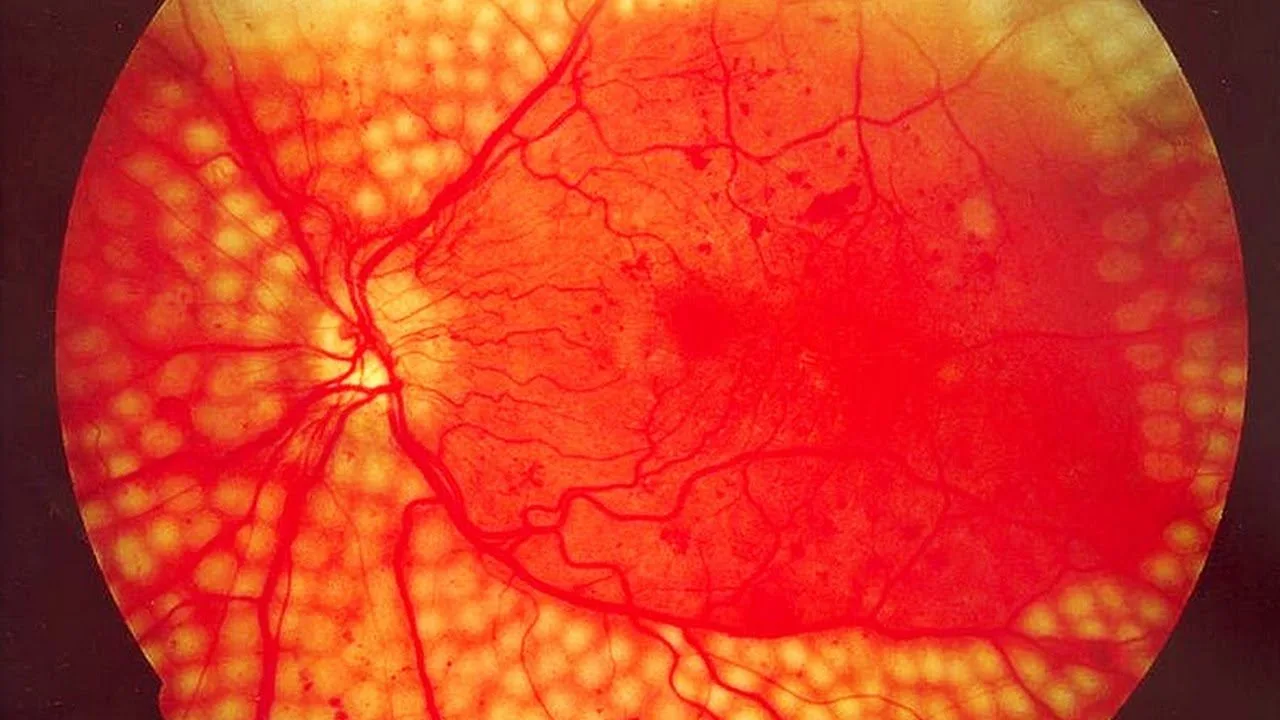
In retinitis pigmentosa, night blindness arises as the rod cells in the retina, which help make vision at night clearer, lose their function for genetic reasons. In people with retinitis pigmentosa, the rod cells generally reduce in number over time from birth onwards and the cells die. In the late stages of the condition, losses can also occur in the cone cells that provide central vision.
Retinitis pigmentosa is one of the most common causes of night blindness. It is seen in about one person in every 3,000 to 5,000 in the population, which is quite a high figure.
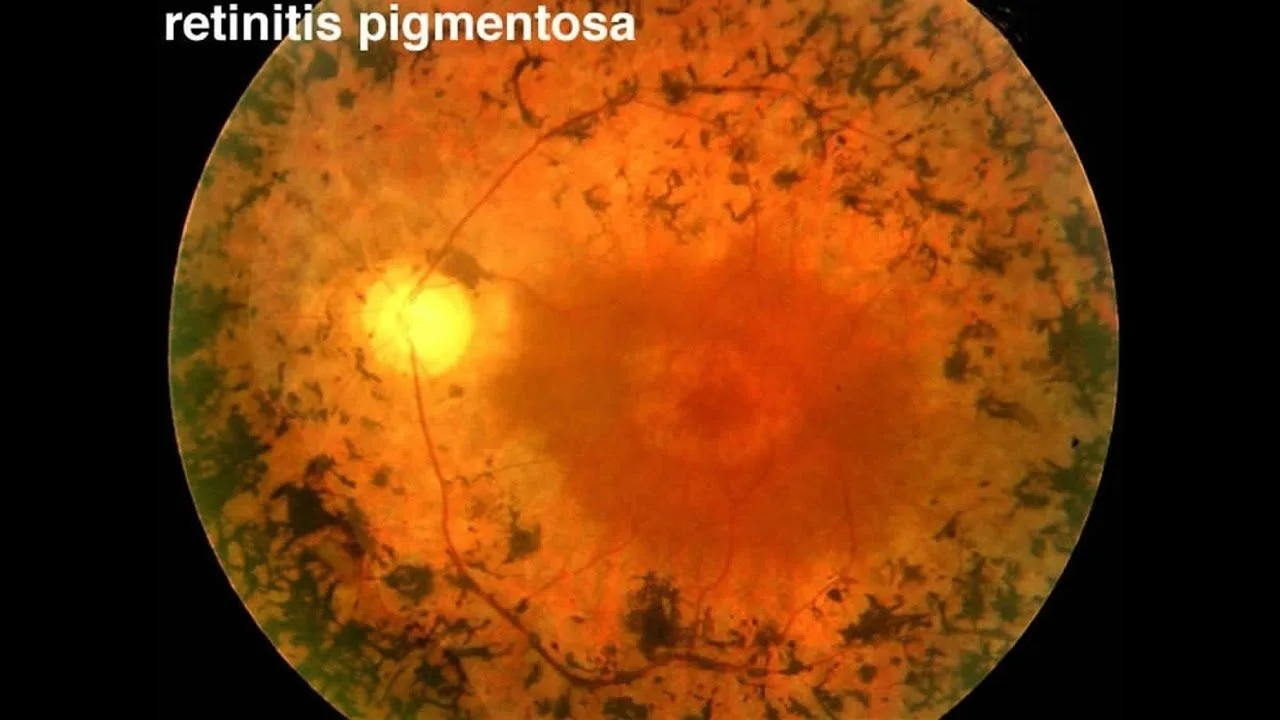
What Causes Retinitis Pigmentosa?
Retinitis pigmentosa is a condition that arises from genetics rather than from any other cause. Arising from the rod cells, it appears because of mutations passed down within a family or because of genes concerned with the development of the rod cells. More than one scientific study has been carried out into this condition. In those studies it has so far been established that retinitis pigmentosa can appear through mutations in more than a hundred gene regions. The one met most often is a defect in the rhodopsin gene, which causes night blindness.What Are the Symptoms of Retinitis Pigmentosa?
In retinitis pigmentosa, different symptoms appear at each stage. Patients generally give their first sign by experiencing disturbances in their vision at night. They report that their night vision is not clear, that they see blurred images and that sight loss has occurred. As the condition advances, the area of the person's field of vision can begin to narrow from the outside inwards. Tunnel vision thereby forms. The person sees the area around what they are looking at as black and sees only by focusing on a single point. As the condition progresses, the patient reaches the final stage. In that stage the cells providing central vision are badly affected as well. As a result, the person faces the risk of complete blindness.
How is Retinitis Pigmentosa Diagnosed?
In diagnosing retinitis pigmentosa, the person's history is listened to first. Specialist doctors hear what their complaints are. Whether there are people with these symptoms in the family history is investigated as well. At this stage specialist doctors can generally reach at least a partial diagnosis. The tests that follow then reveal the stage and the state of the condition. At the first stage, eye examinations with dilating drops are carried out in order to diagnose the condition. Alongside them, a visual field test and a scan of the eye are performed. Through these, the diagnosis is made at the first stage. In addition to these tests, colour fundus photography, electrophysiological tests and autofluorescence imaging can also be requested by the doctor.How is Retinitis Pigmentosa Treated?
Although there are certain options today for treating retinitis pigmentosa, there is no definitive cure. Treatments are generally shaped according to the situations that emerge as a result of the tests carried out. In people with a defect in the RPE65 gene, it is possible to help improve visual function through gene therapy. That treatment is not effective in the other gene types, however. Treatment with PRP, that is to say platelet rich plasma, and stem cell treatments are also being studied with the aim of slowing the condition. Their benefit has not been proven, however, and they are not established treatments. In PRP treatment, blood is taken from the person. That blood is then put through a special process by specialists. The platelet rich plasma emerging from within the blood is then injected into the white part of the eye. The aim is to reduce the risk of the remaining cells being damaged, although this effect has not been proven. Stem cell treatment is more or less the same as PRP treatment. Many people generally think that in stem cell treatment the new cells take the place of the damaged ones. That is not the case, however. In stem cell treatment, just as in PRP, the aim is to release nourishing factors that might delay the death of the cells that have not yet died and preserve the patient's sight for longer, but this has not been proven either.Which Foods Are Good for Retinitis Pigmentosa?
Among the foods that are good for retinitis pigmentosa, first place goes to foods high in antioxidants and to a Mediterranean style of eating. A diet weighted towards olive oil and green vegetables can affect the course of the condition positively. In this sense, foods holding nutritional values such as vitamin A, carotene, B12, B6, folic acid, lutein and omega 3 should be eaten. High-dose vitamin A supplements, however, can be harmful and should not be taken without a doctor's advice. Beyond that, if the person smokes they are advised to stop and to stay away from places where people smoke.Does Retinitis Pigmentosa Prevent Getting a Driving Licence?
At the stage of obtaining a driving licence, what stage the condition has reached comes to the fore for people with retinitis pigmentosa. Where the patient is in the early stages of the condition, there is no obstacle to obtaining a licence. These people are advised not to drive at night, however. Where the condition is advanced and the patient's field of vision has narrowed markedly, obtaining a licence is not possible. Because these findings will emerge in the tests carried out and in the medical report, obtaining a licence is quite difficult. All the treatment options mentioned in this section can vary from person to person. This article is for information. Only the ophthalmologist who assesses you can decide which treatment is right for you.Frequently Asked Questions
- 1
Can retinitis pigmentosa be treated completely?
There is as yet no treatment that removes retinitis pigmentosa completely. In certain genetic subtypes, limited improvement in visual function can be achieved with new methods such as gene therapy. The aim is to slow the course of the condition and to preserve existing vision for as long as possible. The most suitable approach for each patient should be determined by an ophthalmologist. - 2
Does retinitis pigmentosa always end in blindness?
No, blindness does not develop in every patient. The type of the condition, the age at which it begins, genetic features and other accompanying eye conditions all affect the process. In some people there is only a partial reduction in night vision and in the field of vision, while in others more serious sight loss can be seen in the years that follow. With regular follow-up, protective measures and suitable treatment it can be possible to slow the process. - 3
Is retinitis pigmentosa contagious?
No, retinitis pigmentosa is not a contagious condition. It is a genetic, that is to say inherited, retinal condition. The risk of it being seen in family members varies with the genetic features they carry, which is why it can be seen in more than one person in some families. Genetic counselling is recommended where necessary. - 4
Do glasses or contact lenses correct retinitis pigmentosa?
Glasses and contact lenses correct refractive errors such as myopia, hyperopia and astigmatism, but they do not remove the damage to the retinal cells in retinitis pigmentosa. Even so, using suitable glasses or contact lenses helps make the best use of the remaining capacity to see. An ophthalmologist should decide which correction is suitable. - 5
Can patients with retinitis pigmentosa drive?
In the early stages of the condition, where the field of vision and visual acuity are sufficient and the conditions set out in the driving regulations of the relevant country are met, driving is possible. Once the field of vision has narrowed or visual acuity has fallen below certain limits, however, obtaining or renewing a licence may not be possible. Each patient's situation should be assessed separately according to the eye examination and the official medical report. Following the doctor's advice matters in particular where driving at night is concerned.