




Eye Diseases
What is an Eye Freckle (Conjunctival Naevus)?
- Kudret Eye Istanbul
- Last updated:
- 7 min read
- Medically reviewed by Op. Dr. Mehmet Ali Özdil
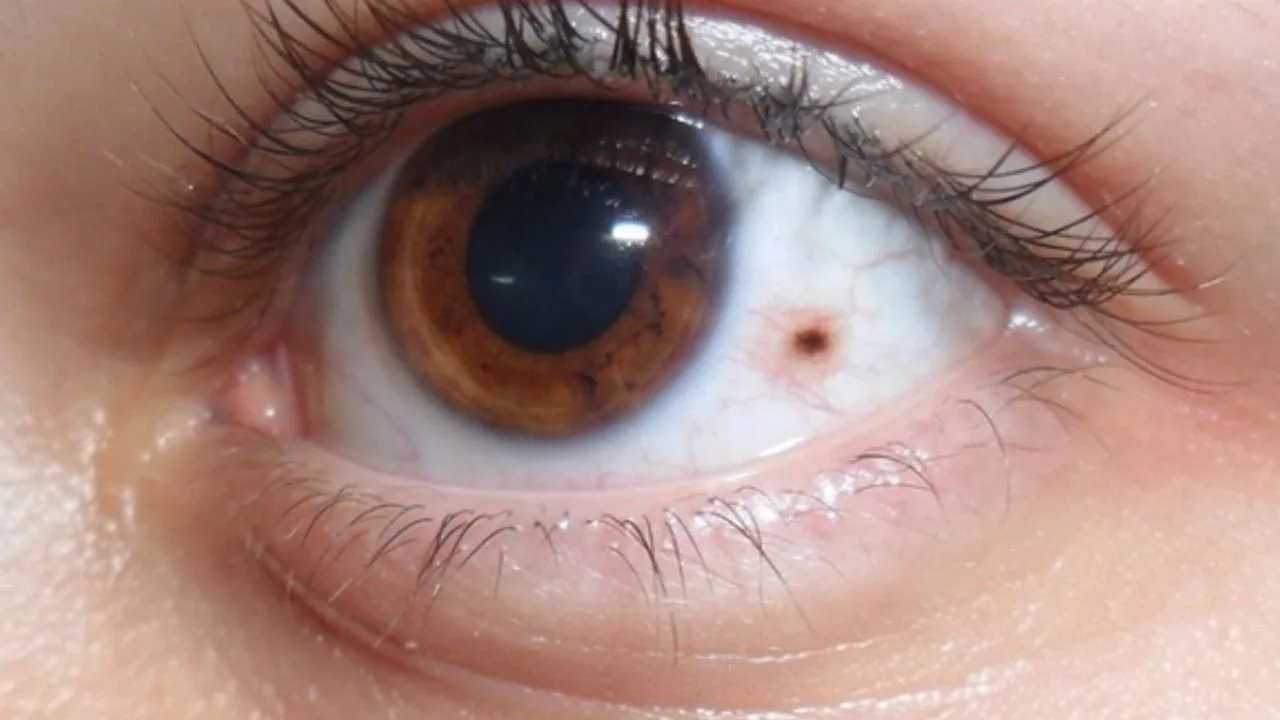
A brown spot noticed in the eye often raises questions such as what is an eye freckle and whether it is harmful. Known medically as a naevus, an eye freckle is a pigmented growth that can appear in different parts of the eye and is benign in the vast majority of cases. It is very similar to the moles on our skin.
Eye freckles are made up of cells called melanocytes, which produce melanin, the pigment that gives colour to the eyes, skin and hair. These cells are normally scattered throughout the tissues. In some people, they cluster together in one particular area and form a spot in the shape of a mole.
Eye freckles are given different names depending on where they are located:
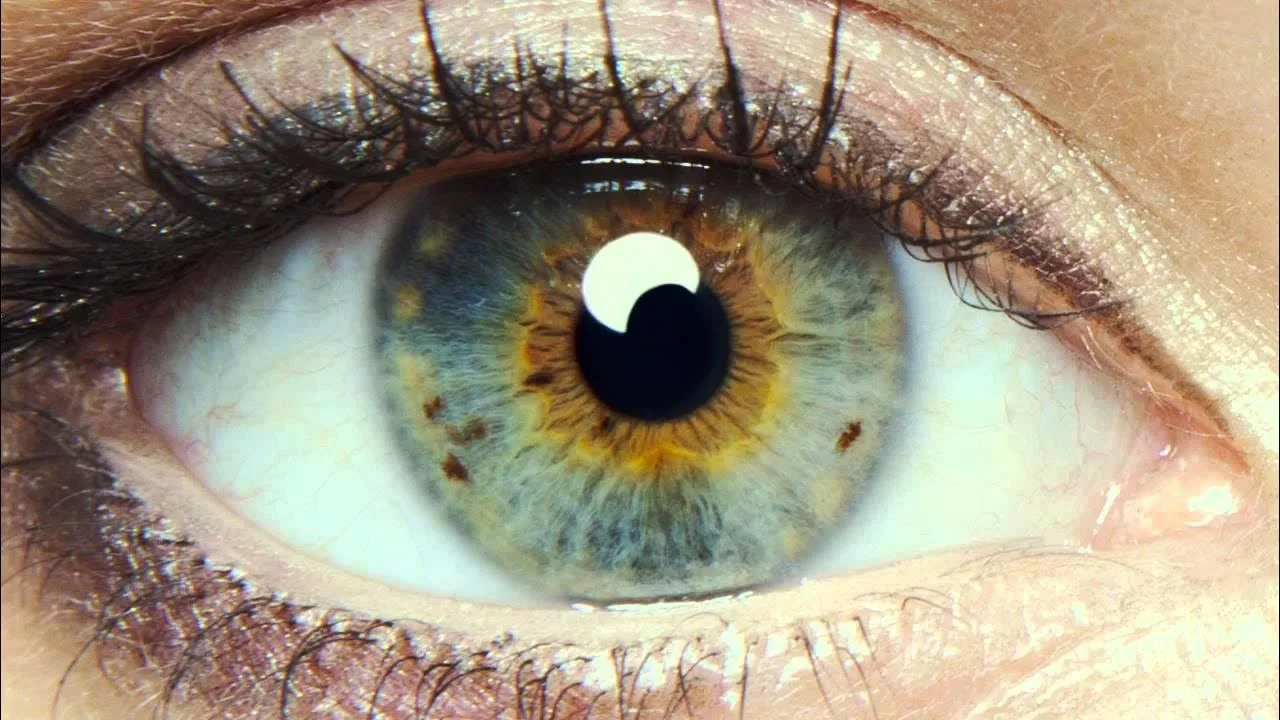
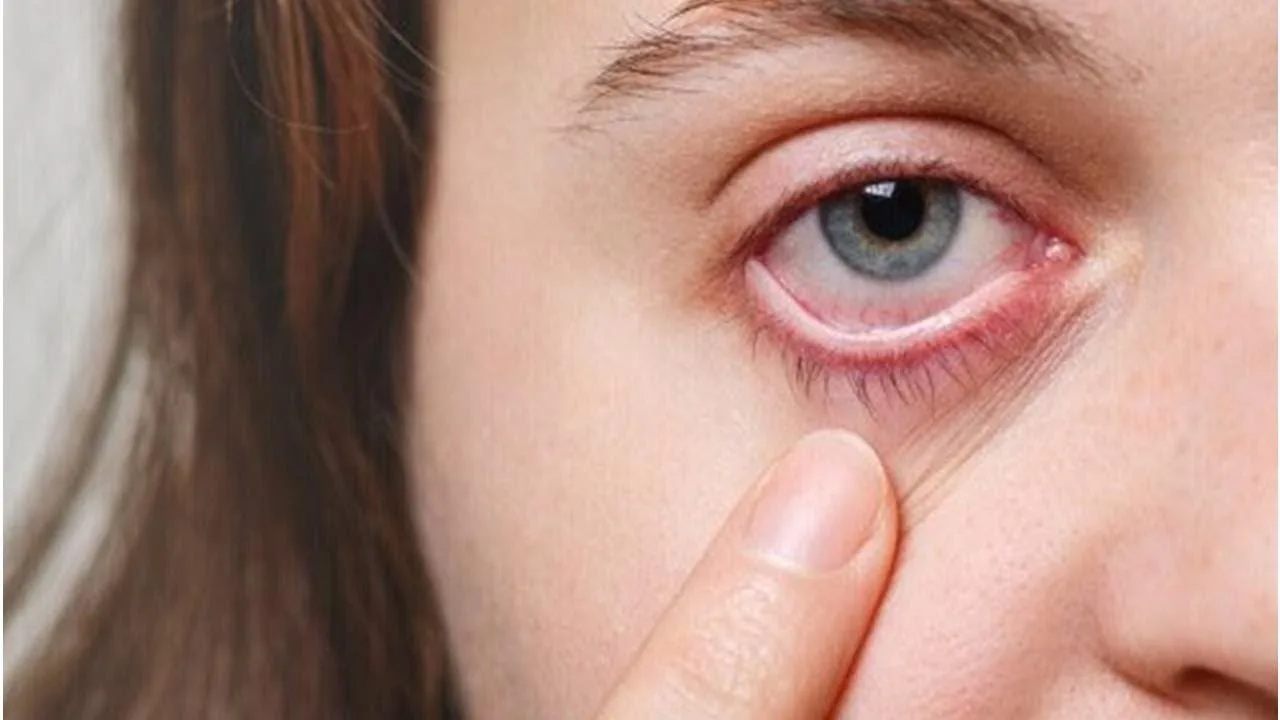
- Conjunctival naevus: Found on the thin membrane covering the white of the eye and can be noticed in the mirror. It is the most common type of eye freckle.
- Iris naevus: Appears as a dark dot or spot on the iris, the coloured part of the eye.
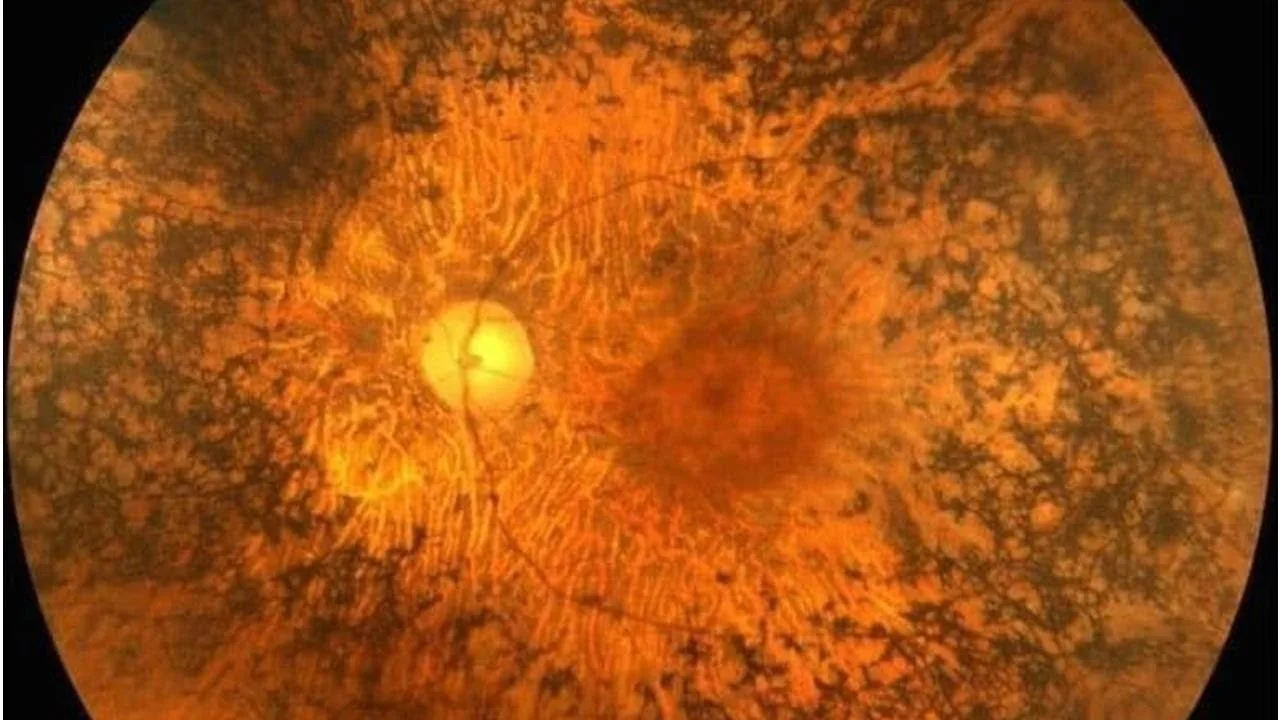
- Choroidal naevus: Located inside the eye, in the vascular layer beneath the retina. It cannot be seen from the outside and is usually discovered by chance during a fundus examination.
Causes of an Eye Freckle
Although the exact causes of an eye freckle are not fully known, it is accepted that it forms when melanocytes cluster together in one area. A significant proportion of eye freckles are present from birth or become more noticeable during childhood and adolescence. Factors thought to play a role in the formation of an eye freckle include:- Genetic predisposition: Having a large number of moles, either yourself or in your family, may be linked to a higher likelihood of an eye freckle.
- Sunlight (UV) exposure: Prolonged, unprotected exposure to sunlight is thought to play a role in pigmented growths.
- Hormonal periods: During periods such as puberty and pregnancy, existing moles may darken or become more noticeable.
Symptoms of an Eye Freckle
In most cases there are no symptoms of an eye freckle. Eye freckles do not usually cause complaints such as pain, itching, redness or loss of vision. Conjunctival and iris naevi are mostly noticed by the person in the mirror or spotted by those around them, whereas choroidal naevi are found by chance during a routine eye examination. Conjunctival naevi may look brown, light brown or sometimes almost colourless, and may contain small cyst-like structures. If there are complaints such as redness, watering or burning in the eye, these are usually caused not by the naevus but by another accompanying eye problem, which should be assessed separately.Why Is Monitoring an Eye Freckle Important?
The vast majority of eye freckles remain benign for life. Very rarely, however, an eye freckle can turn into a malignant tumour called ocular melanoma. For this reason, people with an eye freckle are advised not to miss their regular eye check-ups. The following changes are among the warning signs that need attention:- The freckle growing larger or becoming raised
- Darkening, lightening or uneven distribution of its colour
- A change in its shape or borders
- New blood vessels appearing on or around the freckle
- Blurring or other changes in vision
- Seeing flashes of light or floaters in the eye
Diagnosis of an Eye Freckle
Diagnosis of an eye freckle is made through an examination by an ophthalmologist. Conjunctival and iris naevi at the front of the eye are examined in detail with a slit lamp, also known as a biomicroscope. To see choroidal naevi inside the eye, the pupil is dilated with drops and a fundus examination is carried out. The following methods may be used during the examination and follow-up:- Photography: Anterior segment or fundus photographs allow the size and colour of the freckle to be compared over time.
- Optical coherence tomography (OCT): Particularly for choroidal naevi, it shows the retinal layer over the freckle and whether there is any fluid build-up.
- Eye ultrasound: Can be used to measure and monitor the thickness of choroidal naevi.
Eye Freckle Treatment
In most cases, eye freckle treatment is not needed. For eye freckles that show no change and look benign, the recommended approach is examination at regular intervals and photographic monitoring. In some cases, conjunctival naevi may be removed surgically:- A suspicious finding such as growth or a change in colour or shape during follow-up
- The freckle bothering the person for cosmetic reasons
- The freckle causing irritation or discomfort
When Should You See an Ophthalmologist?
If you notice a freckle or spot in your eye that you had not seen before, it is advisable to have it examined by an ophthalmologist. If you notice growth, a change in colour or shape, or new blood vessels on a known eye freckle, or if new complaints such as blurred vision, flashes of light or floaters begin, it is best to see an ophthalmologist without waiting for your check-up appointment. Wearing sunglasses with UV protection in sunny conditions helps to protect eye health. It is also important for people with an eye freckle to keep attending check-ups at the intervals recommended by their doctor.Frequently Asked Questions (FAQ)
- 1
Is an eye freckle (naevus) harmful?
The vast majority of eye freckles are benign and do not affect vision. However, because very rarely they can turn into a malignant tumour (melanoma), it is recommended that they are checked by an ophthalmologist at regular intervals. - 2
Does an eye freckle go away on its own?
Eye freckles do not usually disappear on their own and can look the same for many years. They may darken slightly or become more noticeable, particularly during periods such as puberty or pregnancy; such changes should also be assessed by an ophthalmologist. - 3
Does an eye freckle need to be removed?
Most eye freckles need no treatment, and regular monitoring is sufficient. Freckles on the white of the eye (conjunctiva) may be removed surgically if there is a suspicious finding such as growth or a change in shape or colour, or if the person wishes for cosmetic reasons, and the removed tissue is examined pathologically. - 4
Can eye freckles turn into cancer?
It is quite rare for eye freckles to turn into cancer. Even so, situations such as the freckle growing, changing colour or shape, developing new blood vessels or causing a change in vision should be examined carefully. For this reason, regular monitoring of the freckle with photographs is recommended. - 5
Can an eye freckle be treated with drops or medication?
No. An eye freckle is not an infection but a spot formed by a cluster of pigment cells. For this reason, eye drops or antibiotics do not make it disappear. Where necessary, freckles on the conjunctiva are removed surgically; for freckles inside the eye, further treatment is planned if a malignant change is suspected. (Every individual's situation is different. Please consult an ophthalmologist for a definitive diagnosis and treatment.) Click to find out more about Retinal Detachment!