




İçeriğe geç
Kudret Eye Istanbul

What to Do About Glaucoma

What to Do About Glaucoma
Eye Diseases

What to Do About Glaucoma

Because glaucoma can appear for many reasons, the question of what to do about it is frequently looked into. Glaucoma is treated with a number of methods. It is among the common eye conditions linked to a rise in the pressure within the eye. Because that pressure remains high, the optic nerves are damaged. A person's vision is affected over time and the damage becomes irreversible. Because glaucoma does not show itself promptly as other eye conditions do, early diagnosis is difficult. Attending regular eye examinations therefore matters a great deal.
How Does Glaucoma Develop?

In answer to how glaucoma develops, the condition is caused by a rise in the pressure within the eye. When the balance of pressure inside the eye rises, the optic nerves begin to be damaged. Not everyone with high eye pressure has glaucoma, however. The condition appears through many causes. A fluid is produced within the eye and drained away from it. At times that fluid cannot be drained and begins to gather, which raises the pressure inside the eye. Produced in the vascular layer of the eye, this fluid matters in preserving eye health. If it stays in the eye and cannot be drained, over time it begins to damage the vessels and nerves within it.

Who Gets Glaucoma?

Another subject widely asked about is who gets glaucoma. Because it can appear for genetic reasons, giving a clear age range is not really possible. When risk is assessed, however, the predisposition to the condition rises in people aged forty and over. The likelihood also rises in people with a family history of glaucoma. Glaucoma

Causes of Glaucoma

Many physiological and biological factors are among the causes of glaucoma. Among them is diabetes, which affects the nerves of the body considerably. A great many nerve conditions appear depending on the level of sugar in the blood, and eye and vision problems are very common in people with diabetes. The risk of glaucoma is also higher in people with thyroid conditions. Injuries to the eye are another factor. In serious injuries that raise the pressure within the eye, in conditions relating to the retina and in situations such as tumours of the eye, that risk rises further. Glaucoma can also be seen after certain eye operations. Genetic predisposition is a major risk factor too, and high myopia also leads to glaucoma. Glaucoma is seen with long courses of corticosteroid treatment and through other external factors. The situations that increase the risk of glaucoma are:
  • Migraine
  • Corticosteroid treatment
  • Genetic factors
  • Diabetes
  • High or low blood pressure
  • High myopia and high hyperopia
  • Injuries to the eye
  • Predisposition
To remove the risks that cause glaucoma, or to identify the condition early, attending an ophthalmologist regularly is necessary. Check-ups are recommended every 2 years up to the age of forty and once a year after forty, and more often if glaucoma runs in the family. Whether there are people with glaucoma in the family should also be established. Alongside this, exercising regularly and staying away from harmful habits matter. After a serious injury to the eye, a doctor should always be seen. Causes of glaucoma

Symptoms of Glaucoma

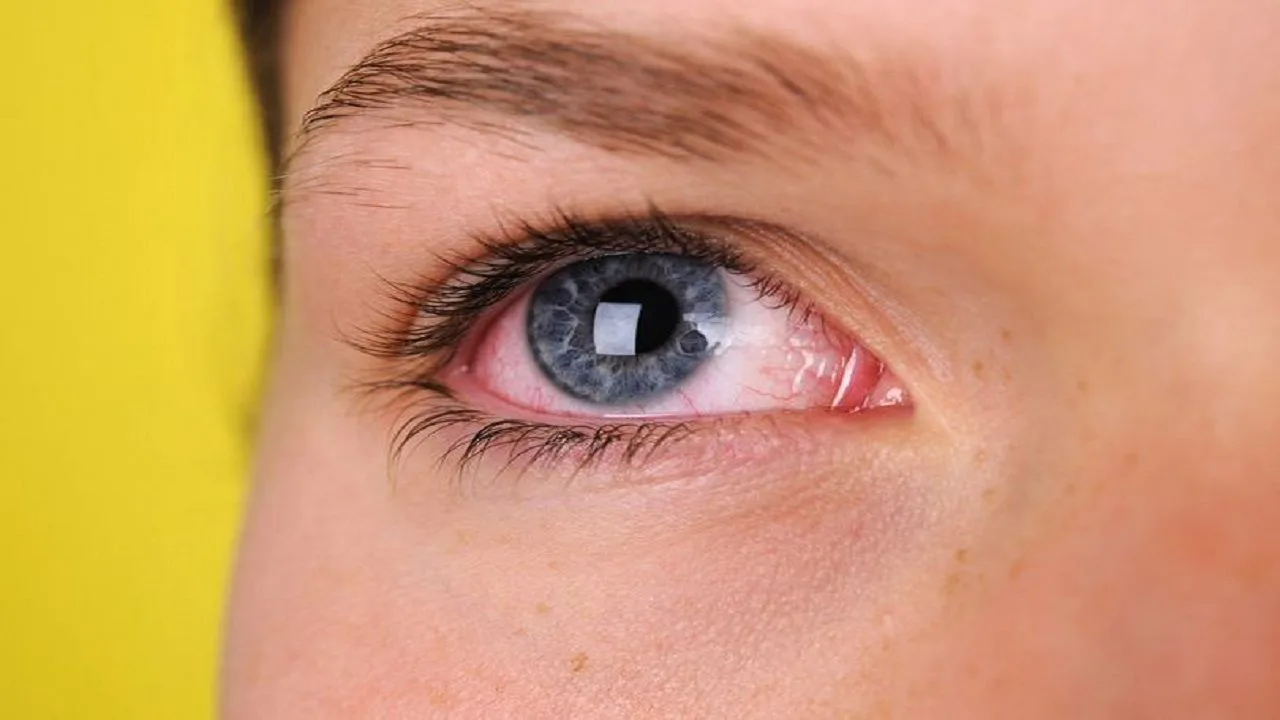
The symptoms of glaucoma resemble those of other eye conditions, so it is not possible for people to diagnose themselves without seeing a doctor. Open angle glaucoma, the most common type, usually causes no symptoms until it is advanced. Sudden eye pain, redness, blurred vision, haloes and nausea are seen in acute angle closure, which needs urgent treatment. The symptoms that can be met are:
  • Sudden and severe eye pain
  • Redness of the eye
  • Blurred vision at times
  • Seeing haloes around lights at night
  • Nausea
  • Pain in the forehead and head
Extreme sensitivity to light in childhood can also be a symptom. An ophthalmologist should always be seen in that case. Glaucoma does not typically show itself through headache. A sudden, severe headache with eye pain and redness can point to acute angle closure, but headache can arise from other conditions too, and the only way to identify glaucoma is to see a doctor.

Treatment of Glaucoma

Treatment for glaucoma is determined according to the person's situation. Glaucoma is examined in two forms, open angle and closed angle. It is diagnosed as follows:
  • Eye pressure measurement
  • Computerised visual field test
  • OCT
  • Optic nerve examination
  • HRT
The methods used in treatment are:
  • Medication
  • Surgery
  • Laser treatment
If the eye pressure does not fall despite these treatments, the methods that follow will involve surgery. These treatments may not clear glaucoma completely, but they keep it under control, which prevents the nerves within the eye from taking greater damage. Where medication does not work, surgical methods are generally turned to as a last resort. Another treatment applied for glaucoma is SLT, that is selective laser trabeculoplasty. This procedure is extremely quick and straightforward. Although many people take it for glaucoma surgery, no surgical intervention is in fact made. The eye is numbed with anaesthetic drops, and laser light is then applied so that the fluid gathered within the eye can drain away. The fall in pressure begins in the first weeks, and the full effect is usually seen within one to three months. Through this method the pressure within the eye falls by an average of 20-30 per cent. Glaucoma is a condition that cannot be cleared completely. Not every case of high eye pressure means glaucoma, either: the pressure within the eye can rise from time to time for other reasons. Through the treatments applied, the condition is prevented from progressing and from damaging the nerves further. At What Age Does Cataract Occur?

Related posts

What is Glaucoma and How is It Treated?

What is Glaucoma and How is It Treated?

Glaucoma occurs as the pressure within the eye rises, and the optic nerves at the back of the eye are damaged as a result. Where the drainage system for the fluid within the eye is disturbed, the fluid builds up and the pressure rises steadily.

Can You Have Cataract Surgery in Summer?

Can You Have Cataract Surgery in Summer?

Cataract is an eye condition appearing with advancing age in particular. Having cataract surgery in summer causes no problem in terms of health, although the doctor's advice should always be followed.

What is Macular Degeneration?

What is Macular Degeneration?

The macula is the main part at the centre of the eye responsible for sight. Macular degeneration arises from the structural deterioration occurring in this area, and it can lead to sight loss with age.

Attention to Eye Haemorrhages!

Attention to Eye Haemorrhages!

Why do eyes bleed? Op. Dr. Nail Sönmez, Chief Physician of Kudret Eye İstanbul, explains who gets eye haemorrhages, why they occur and when bleeding behind the eye can point to other diseases.

References

  1. 1.Glaucoma: diagnosis and management (NG81) · NICE, 2017
  2. 2.Glaucoma · NHS
  3. 3.Glaucoma · NEI

FREE CONSULTATION

Your appointment request has been received successfully.

We will be in touch with you as soon as possible.

If your details are not correct, please send a new request.

Your cookie choice

Essential cookies are always on. With your permission we also use Google and Meta cookies for measurement and ads.Cookies needed for the site to work are always on. With your permission we also use Google and Meta cookies to measure visits and show you relevant ads. You can change your choice at any time with the "Cookie settings" link at the bottom of the page.Detailed Information

Suitability test

Which treatment suits me?

A few short questions to show you which treatments would be discussed at your examination. At the end we will call you for a free consultation.

Book a Free Consultation

FREE CONSULTATION

Site search

Can't find what you're looking for?

We are just a phone call away.