




Eye Diseases
What is the Macula and Macular Disease?
- Kudret Eye Istanbul
- Last updated:
- 5 min read
- Medically reviewed by Op. Dr. Mehmet Ali Özdil
Eye health is something to pay attention to at every stage of life. Problems can form in the eye for a great many reasons, whether with age or through predisposition. One of them is macular disease. Questions such as what the macula is and how macular disease forms are widely asked by people predisposed to these conditions. The structure of the eye begins to change from birth or as the years pass. Changes in the structure of the fluid within the eye, retinal tears and other problems appear for these reasons.
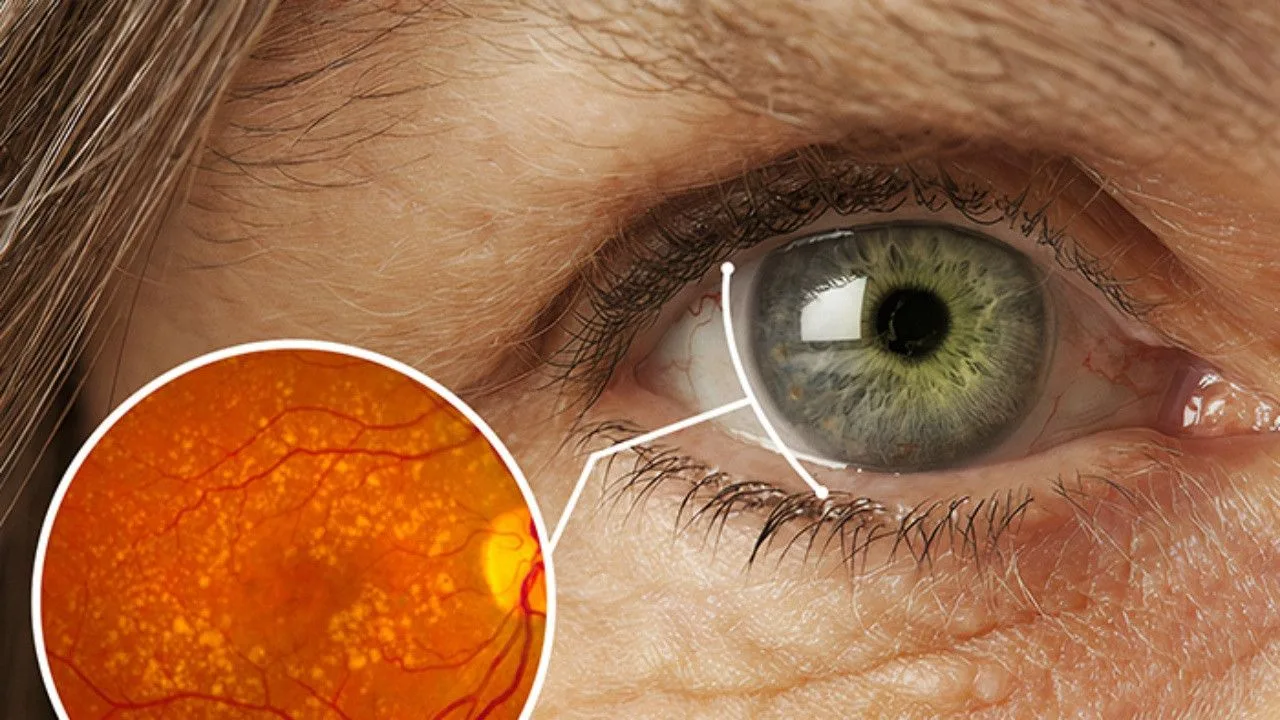
Macular disease is among the health problems that appear with age. Macular disease (age-related macular degeneration) is the progressive degeneration of the photoreceptors and the retinal pigment epithelium in the macula. It generally appears after the age of fifty and becomes more common with age, and it is the leading cause of central sight loss in older people. It can also appear through other trauma to the eye and through genetic factors. The eye is an extremely complex and delicate tissue, so identifying eye problems in advance and treating them early matters.
Also known as macular degeneration, macular disease appears as the tissue of the eye wears. As that wear increases, central vision deteriorates, and macular disease appears this way. The eye holds a great many nerve cells and most of them are in the retina. At the centre of the retina lies the macula. The macula can wear for many reasons and the condition known as macular disease follows. It makes seeing both at near and at distance difficult.
Because central vision is affected, the person begins to have difficulty seeing detail at any distance. Macular disease affects using a phone, reading a book, driving and a great deal more. Anyone who suspects this condition should always see a doctor, and early. For a full diagnosis the patient is examined by a doctor.
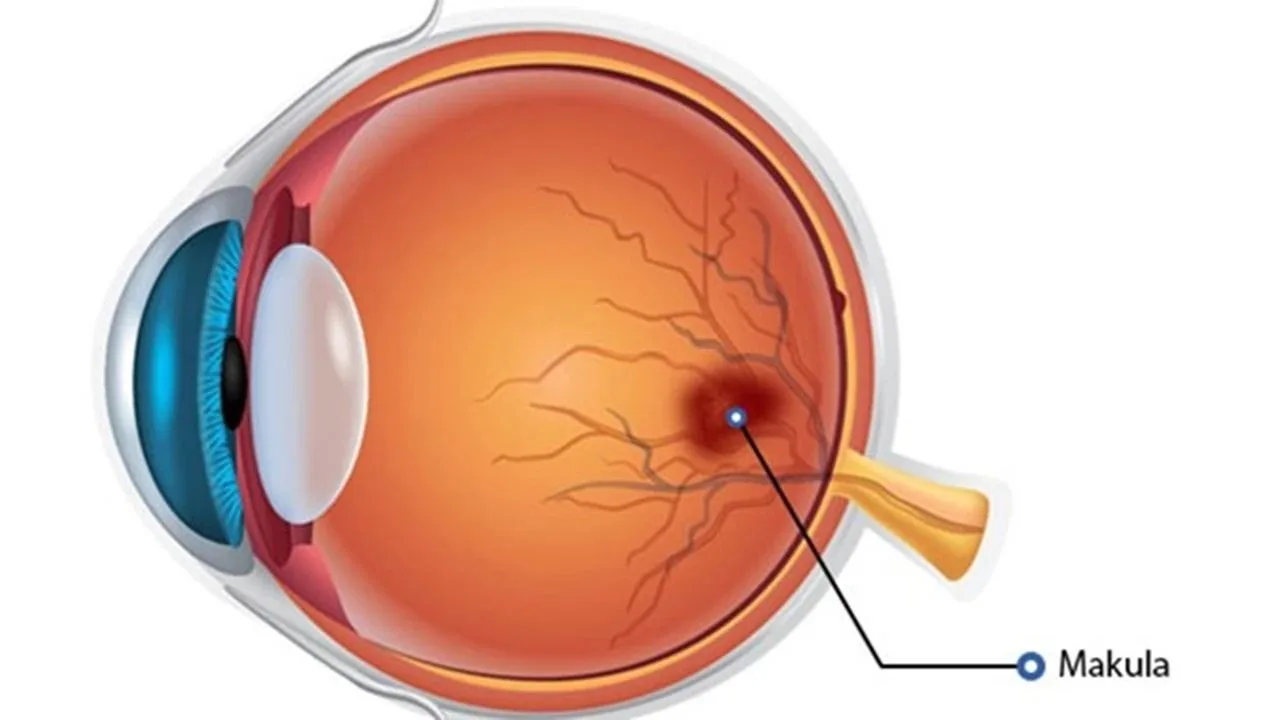
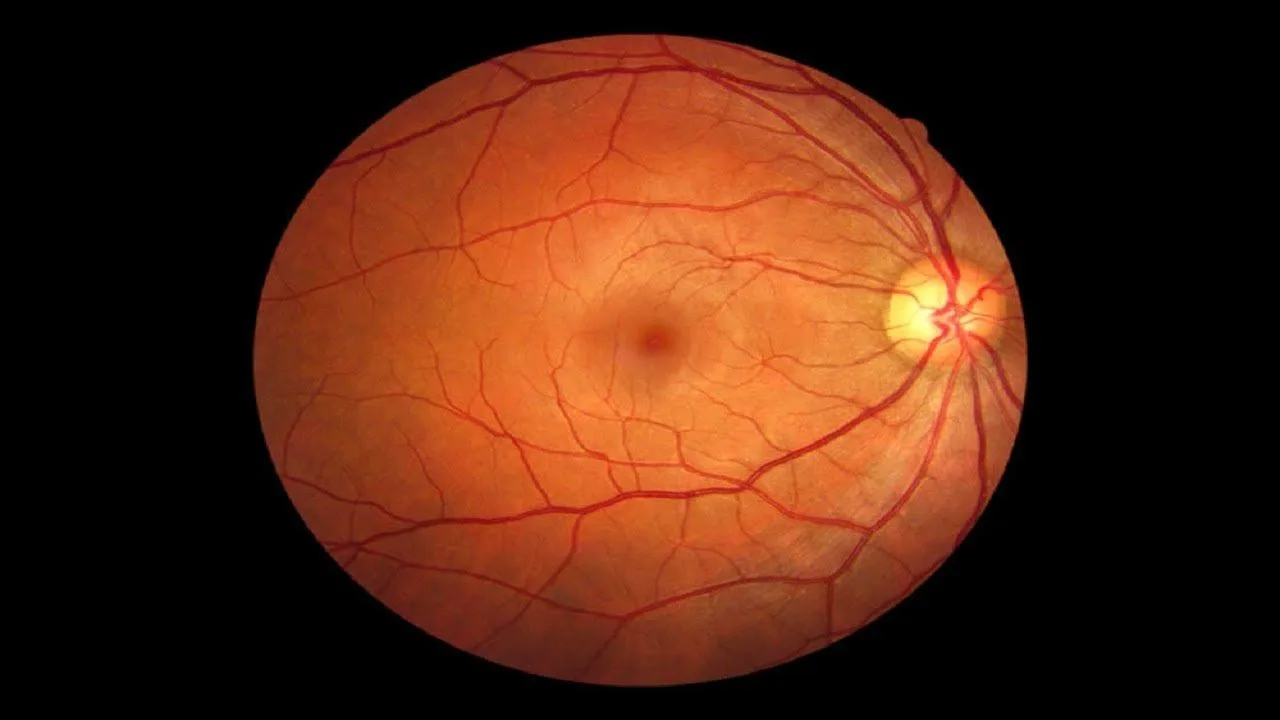
How Does Macular Disease Form?
The answer to how macular disease forms is age and environmental factors. It appears in older people in particular. Deterioration of the structure of the macula over time leads to the problem. While people have difficulty seeing, a great many other problems also appear. Among the most common symptoms are:- Being strongly affected by high or low light
- Difficulty making out objects
- Difficulty seeing and recognising faces
- A central grey or dark patch (scotoma)
- Fading of colour and contrast
- Difficulty looking steadily at text, an object or a person
- Blurring of vision
- Needing more light while reading or using devices such as a phone
- Extra difficulty seeing in dim surroundings
Types of Macular Disease
Macular disease is examined in two forms: dry macular disease and wet macular disease.Wet Macular Disease
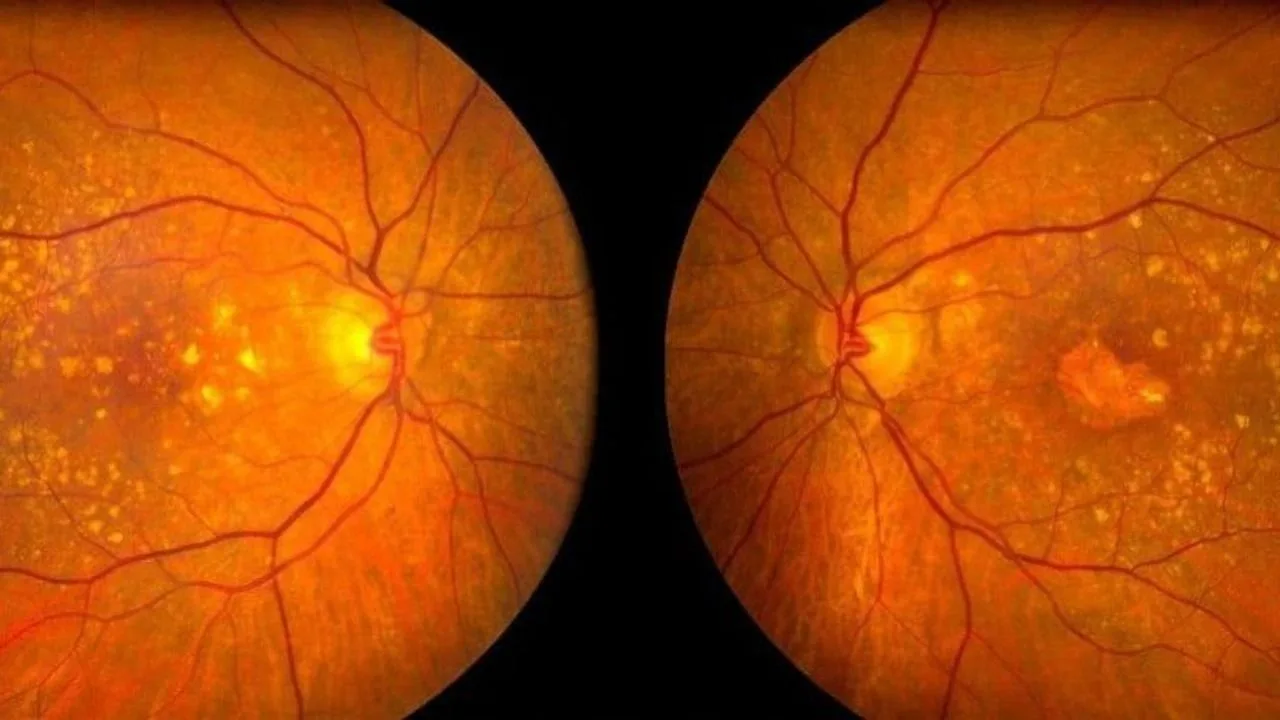
Wet macular disease forms as abnormal new vessels grow beneath the retina and leak fluid and blood into the macula. Vision is affected more in this form.Dry Macular Disease
Dry macular disease is the version met most often. In people with it, the condition begins in one eye and may then begin to appear in the other. Where it is present in one eye alone, the person does not have great difficulty seeing. Dry macular disease can sometimes progress into the wet form.Treatment of Macular Disease
Treatment of macular disease differs from person to person. Macular disease was once treated with laser methods, or was thought to be. Although it can be treated in some situations with an injection into the eye, being rid of it entirely may not be possible where it comes with age. Anti-VEGF intravitreal injections given monthly or at extended intervals preserve or improve vision. In some situations, various minerals and vitamins can reduce the risk of the disease progressing in certain patients. Through the methods the doctor applies, the progression of macular disease can be slowed and, in some cases, vision improved.