




Eye Diseases
What is Macular Degeneration?
- Kudret Eye Istanbul
- Last updated:
- 6 min read
- Medically reviewed by Op. Dr. Mehmet Ali Özdil
The question of what macular degeneration is falls among the subjects people with eye conditions ask about. The main part at the centre of the eye responsible for sight is called the macula. Macular degeneration arises from the structural deterioration occurring in this area. It is also known as macular disease. It can appear with age and can lead to sight loss. Although diagnosis is difficult in the early stages, it can be made more easily as the condition advances. Its treatment also varies with the person's situation.
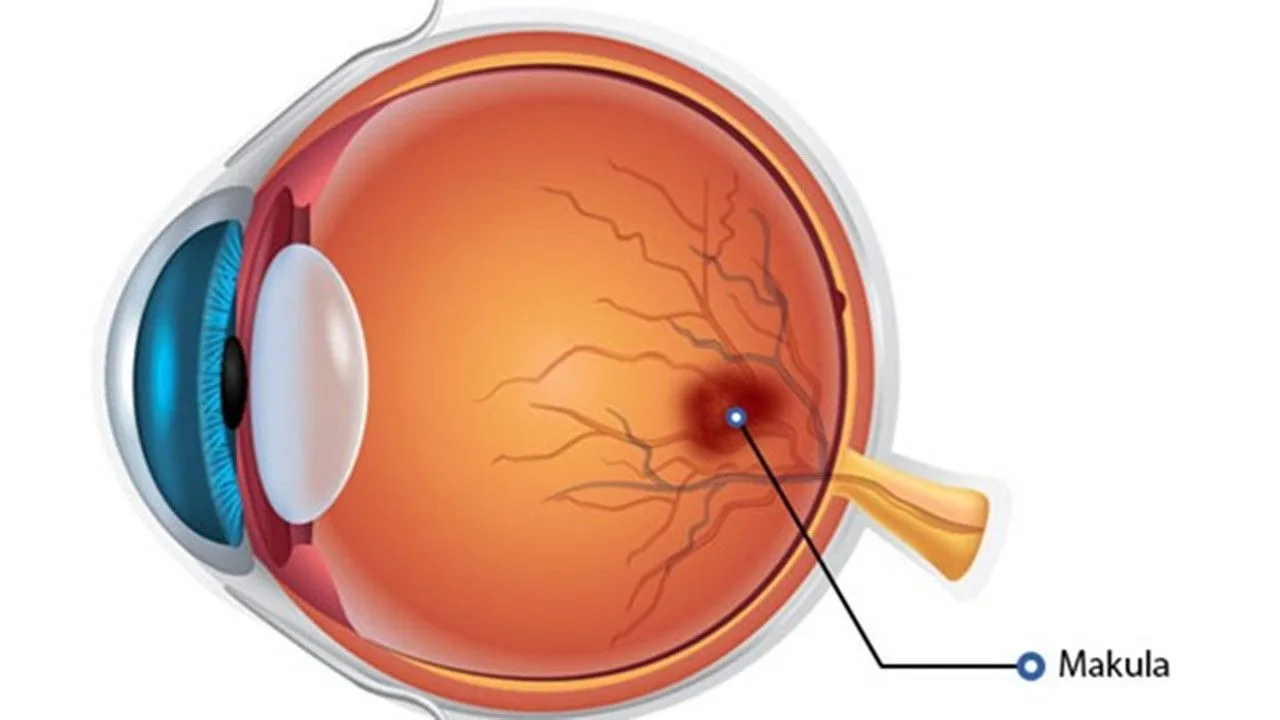
The condition appearing in the nerve layer about the size of a lentil that governs the sharpness of the eye's vision is called macular disease. In the retinal layer at the very back of the eye, the nerve cells are not distributed evenly. The light reflected into the eye gathers at the centre, called the macula.
The macula is protected from excessive light by the yellow pigments in the eye called zeaxanthin and lutein. Because those pigments are yellow, this part is called the macula lutea, the yellow spot. It holds around five per cent of the retina yet is responsible for ninety-five per cent of the process of sight. Small though it is, it has an enormous function.
Because this area is small and exposed to intense metabolic activity, the macula can no longer clear away the waste deposits that gather. This disturbs the way the retinal cells are nourished. Retinal nerve cells that are not nourished lose their function over time and begin to deteriorate. Macular disease appears through those deteriorating or dying cells.
Types of Macular Degeneration
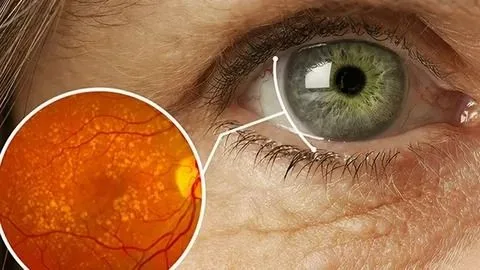
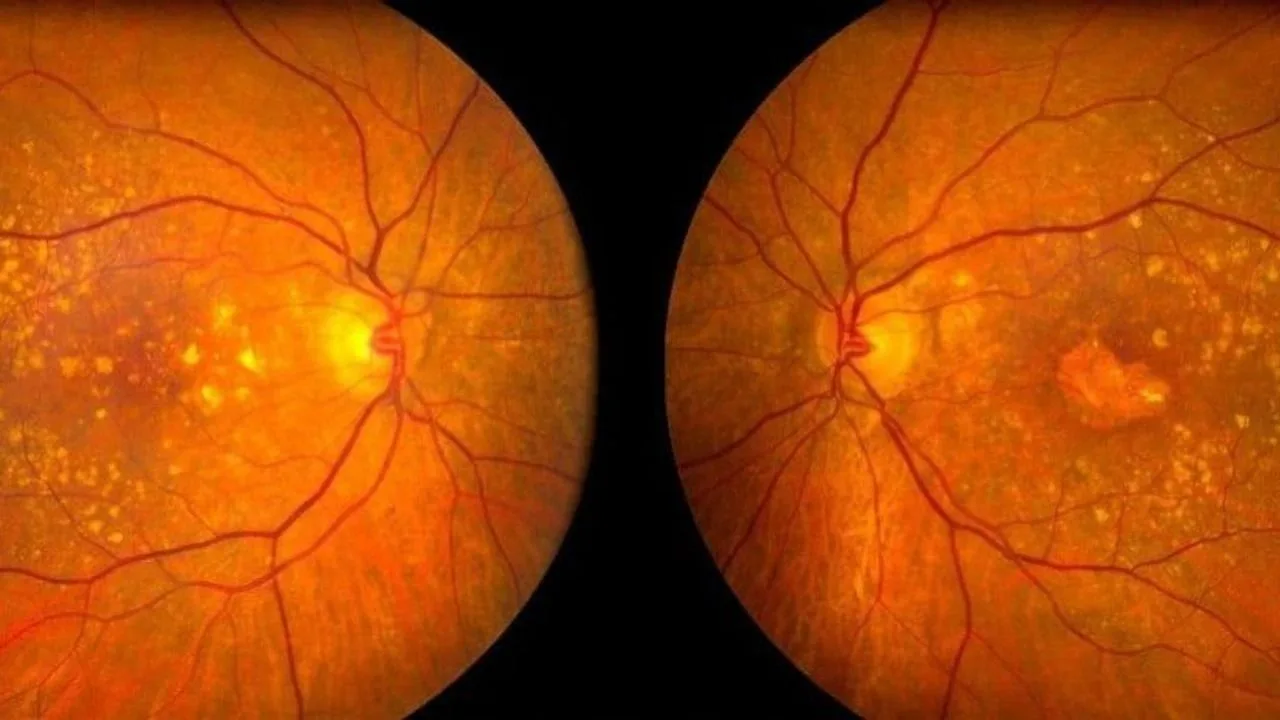
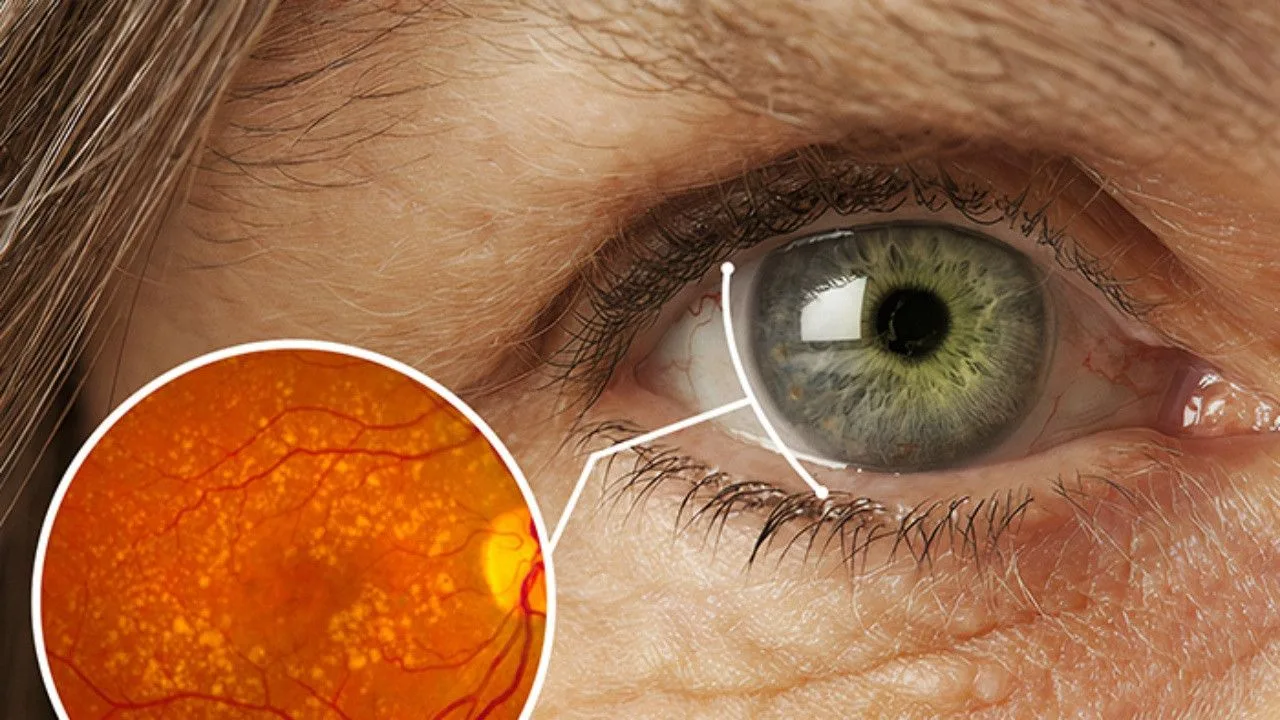
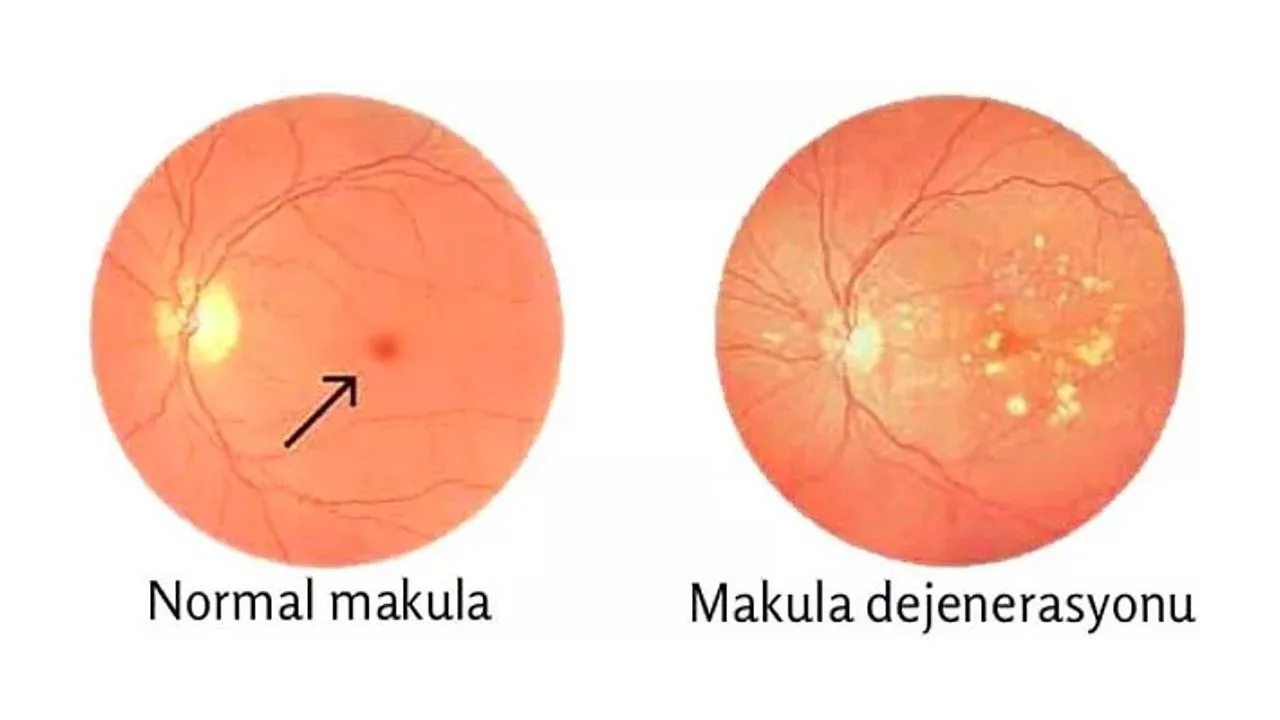
Macular degeneration is considered in two forms, wet and dry. The dry form, one of the types of macular disease, is the one met most often. It advances very slowly and does not affect vision greatly in the early stages: reaching a level that affects vision takes almost ten years. Because the waste gathering in the macula cannot be removed, white and yellow focal spots called drusen begin to form. As those spots increase, the nerve cells begin to be damaged, and vision declines over time. The wet form is a condition that can lead to sudden sight loss. The vision problems appearing in the wet form are painless, so they may go unnoticed until the person sees a doctor. In the wet form, vessel growth occurs alongside disturbance of the macula's nourishment. Those vessels grow without control, and because they grow they begin to bleed.
Who Gets Macular Degeneration?
Questions such as who gets macular degeneration and how it appears are widely looked into. Because the condition appears in later life, the likelihood of it in young people is extremely low. As age advances the body's functions no longer work as they did and deterioration is observed in certain parts of the body. The macula is one of them. Macular disease generally appears after the age of fifty and becomes more common with age. Some of the most important reasons for it appearing are:- Heavy exposure to sunlight
- Genetic predisposition
- Smoking and alcohol use
Symptoms of Macular Degeneration
The symptoms of macular degeneration do not show themselves greatly in the early stages. While the complaints are mild or vague at first, the signs and complaints increase at advanced stages. Objects appearing smaller or larger than they are, disturbances while looking at light, and straight lines appearing wavy or distorted can all point to macular disease. Some of the symptoms can be listed as follows:- Seeing lines when looking at a light
- Dark or blank patch at the centre of vision
- Blurred vision
- Seeing the centre of vision as blurred while the edges stay clear
- Objects being perceived as smaller or larger than they are
Diagnosis and Treatment of Macular Degeneration
Diagnosing and treating macular degeneration is a very important step. Because macular disease is difficult to diagnose, it generally emerges during general check-ups. Because it advances insidiously and shows no symptoms at first, it is extremely difficult to identify or notice. People in the older age group should attend an eye examination at least once a year even where they have no symptoms. Regular check-ups are an extremely important factor in early diagnosis and treatment. People in whom macular disease is suspected undergo many tests, such as slit lamp examination, the visual field test and visual acuity. The data obtained from these tests is examined and the diagnosis made. During these procedures, drops are sometimes used to dilate the pupil so that the back of the eye becomes visible with special lights. Once the retina has been examined, a treatment plan is prepared according to the situation. How far macular disease has advanced and which form it takes matter a great deal in shaping the treatment plan: Among the treatments specific to the wet form are anti-VEGF injections applied into the eye. These injections aim to reduce the uncontrolled growth of vessels. In the dry form, supplements containing lutein, zeaxanthin and omega 3 can be helpful, although the doctor's advice should be followed after a detailed eye examination.- In the wet form, diagnosis is made first with optical coherence tomography (OCT), with eye angiography if needed, and treatment is carried out with intraocular injections.
- There is no treatment that stops the dry form; at the intermediate stage, however, vitamin and mineral supplements specific to the macula (the AREDS formula) can slow its progression.
Frequently Asked Questions
- 1
Does macular degeneration heal completely?
Complete recovery is not possible, although its progression can be slowed. Beginning treatment early therefore matters. - 2
Does macular disease cause blindness?
At advanced stages it can cause serious central sight loss. Complete blindness is rare, however. - 3
Is this condition seen in young people?
It generally appears after the age of fifty and becomes more common with age. Some hereditary forms can appear at a young age, however. - 4
Does diet affect macular disease?
Yes. A diet containing components beneficial for eye health, such as lutein, zeaxanthin and omega 3, is recommended. - 5
Is intraocular injection treatment painful?
It is generally applied with anaesthetic drops and no pain is felt. A mild stinging sensation can follow the procedure.