




Eye Laser Treatments
Types of Eye Surgery
- Kudret Eye Istanbul
- Last updated:
- 7 min read
- Medically reviewed by Op. Dr. Mehmet Ali Özdil
The types of eye surgery vary with the treatment the eye needs, and those treatments are shaped around the conditions the eye has. Many different techniques and methods are used in situations such as cataract treatment, the correction of refractive errors and corneal transplantation. These operations are decided on by the surgeon where the patient needs them.
Eye operations fall into many types according to the situation. They are:
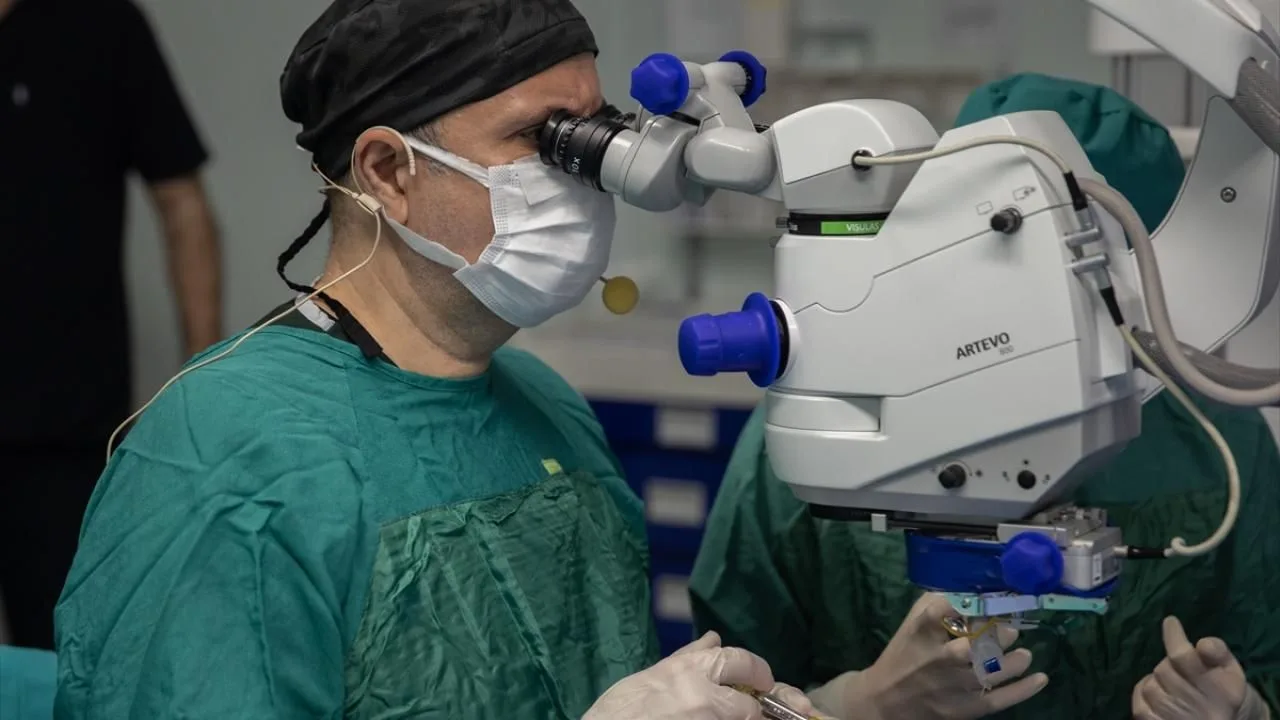
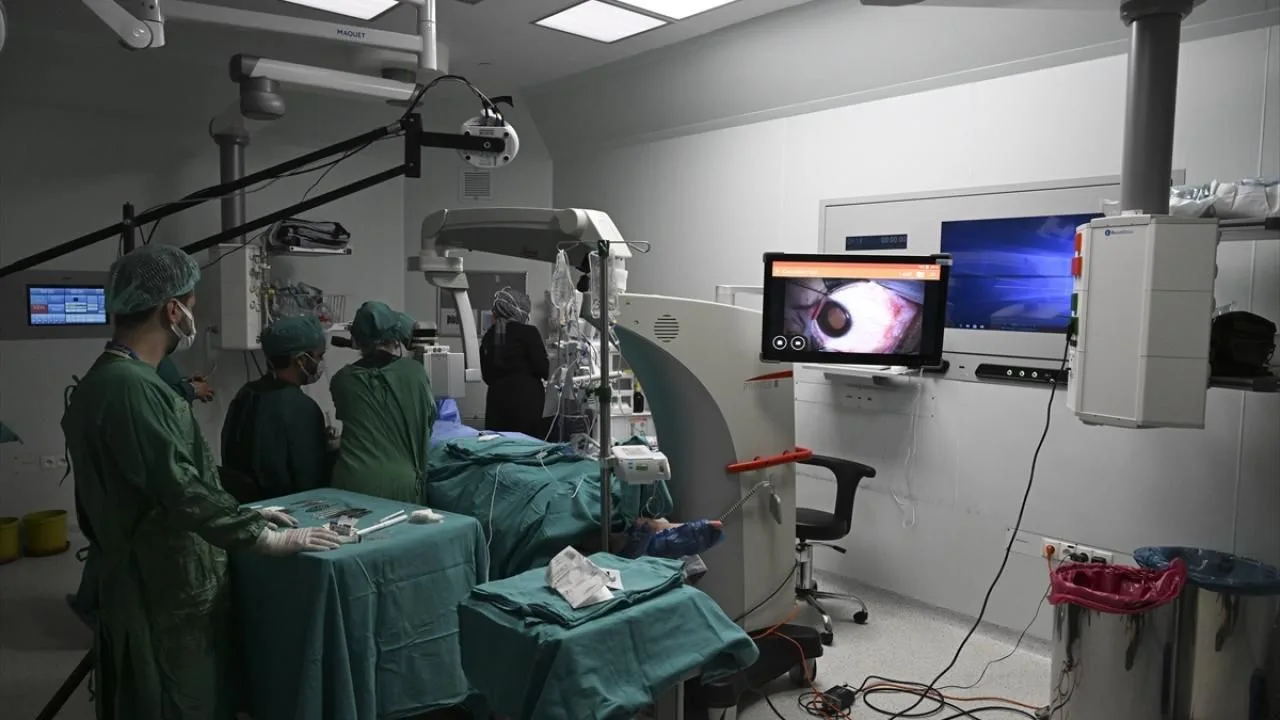
- Laser eye surgery
- Glaucoma surgery
- Retinal surgery (vitrectomy)
- Cataract surgery
- Squint surgery
- Intraocular lens surgery
- Pterygium surgery
- Eyelid surgery
iLASIK Eye Surgery
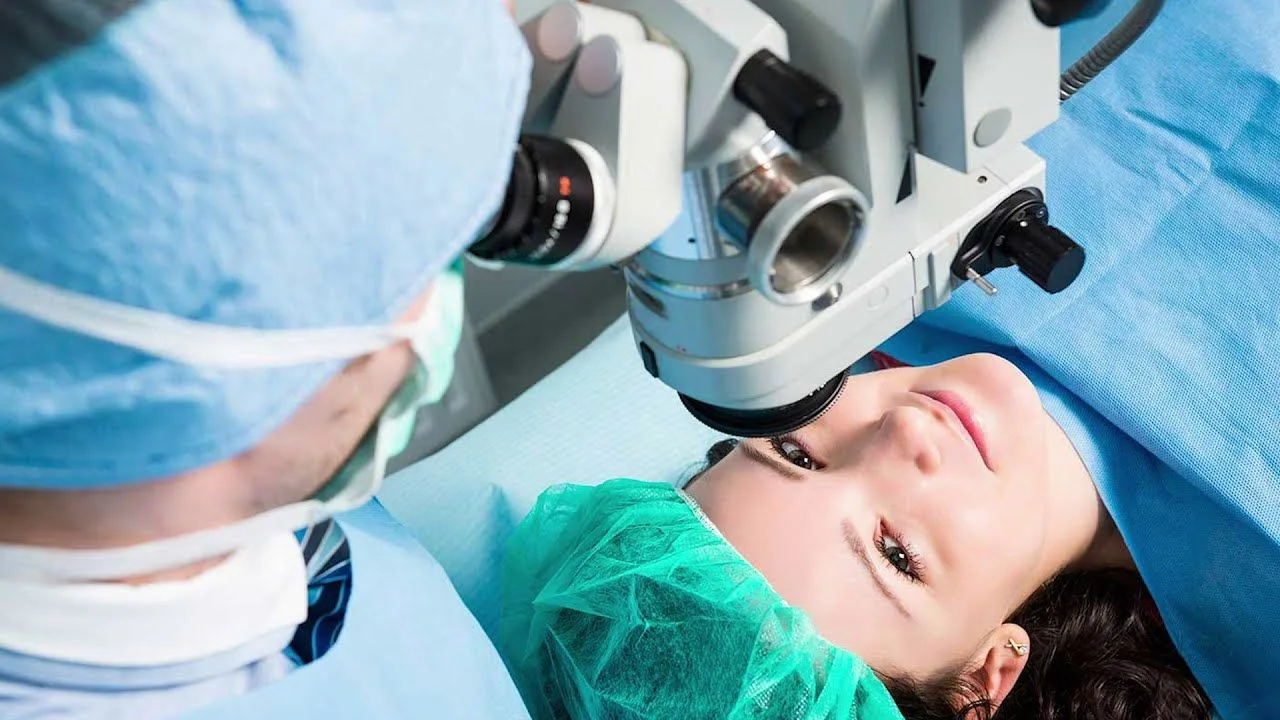
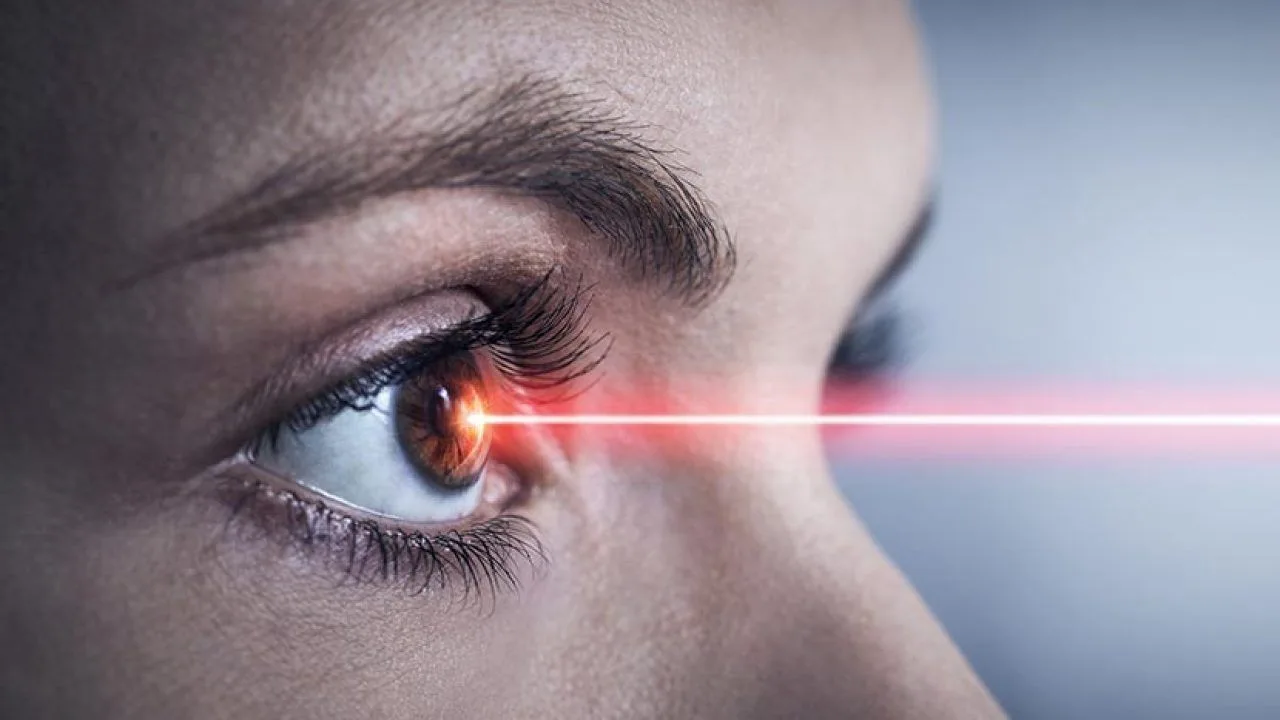
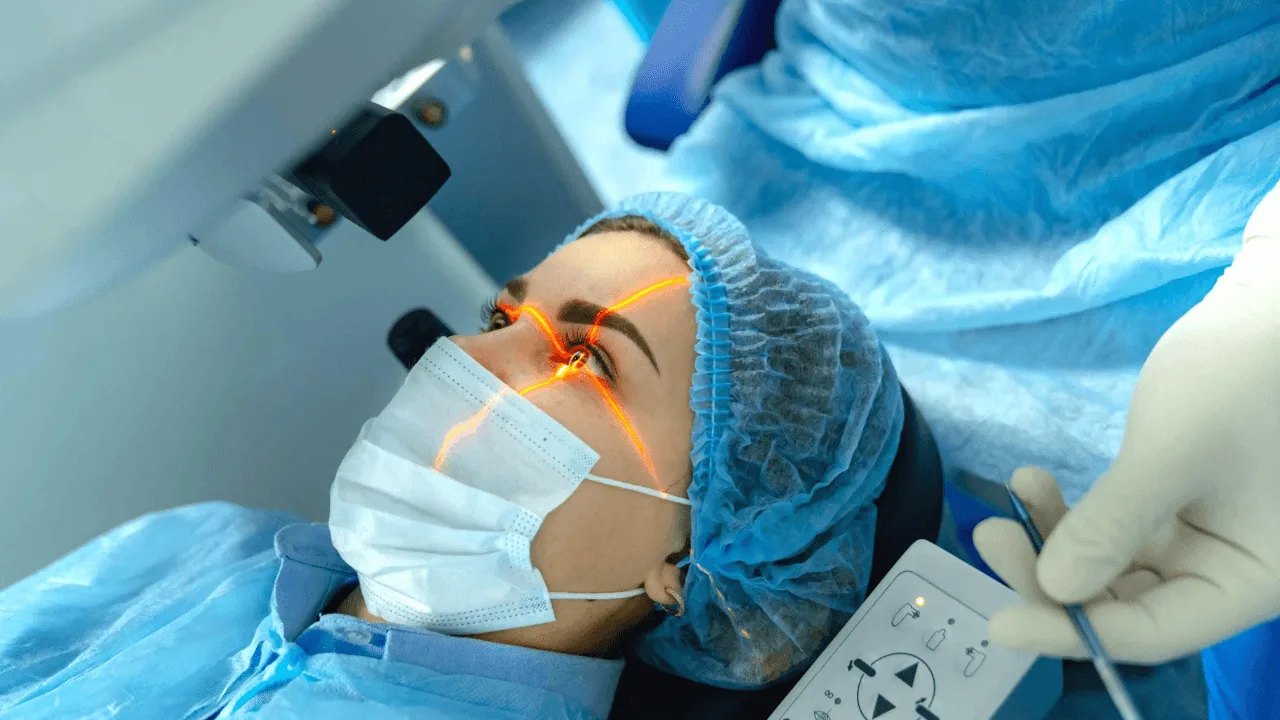
iLASIK eye surgery is used to treat the problems that would otherwise call for glasses. During the operation a laser is used to smooth the irregularities and curves in the cornea. LASIK is generally very quick. It does not require general anaesthesia, and numbing eye drops are used instead. Mild pain, a stinging sensation and redness can naturally follow this operation. These pass within a few days and are entirely normal. LASIK eye surgery is used to treat vision problems that arise in the cornea and prevent light from refracting properly. It is used in myopia, astigmatism and hyperopia, where glasses or contact lenses would otherwise be needed. LASIK removes the curves and irregularities in the cornea that make room for these vision problems. If there is another condition in the eye, it is corrected before this operation, and surgery is then planned. After the eyes are sterilised, numbing eye drops are applied, and an eyelid speculum is placed to keep the eyes open. A thin flap is created on the cornea and lifted, the error is corrected with the laser and the flap is then returned to its former position. The surgeon's instructions must be followed afterwards.
PRK Laser Surgery
PRK laser surgery is another method used to treat conditions such as hyperopia, astigmatism and myopia. It is applied to people who have turned eighteen and whose eye structure is suitable for surgery. Anyone without a systemic condition and with a suitable cornea can benefit from this operation. PRK works by removing the epithelium, the surface layer of the cornea, which then grows back by itself. LASEK is a related method in which the epithelium is loosened and laid back in place after the laser procedure. A burning and stinging sensation after surgery is normal and passes within two or three days, while vision starts to clear in the first few days and settles to full sharpness within 2-4 weeks.ReLEx SMILE PRO Laser Surgery
ReLEx SMILE PRO laser surgery is one of the new generation laser methods. It is another method used to remove errors such as myopia and astigmatism, and it suits people who want to be free of contact lenses and glasses. Compared with the other methods it is a very minimal procedure. In SMILE, a femtosecond laser forms a thin piece of tissue (a lenticule) inside the cornea, and this is removed through a small opening. Removing it changes the shape of the cornea, so that light is once again focused correctly on the retina. It is applied to people over eighteen whose prescription has not changed within a year, and it gives the best results in people with myopia between minus one and minus ten dioptres and astigmatism of up to five dioptres.Glaucoma Surgery
Glaucoma surgery is also known as surgery for raised eye pressure. It is carried out in order to lower the pressure in the eye, and it is performed when medication alone is not enough to control glaucoma. If treatment is left too late, glaucoma can lead to serious problems. Beginning treatment early matters, so that problems such as permanent sight loss do not arise. Raised eye pressure generally comes to light during routine eye examinations, which is why regular check-ups matter. Excess fluid gathers in the eye, the pressure within it rises accordingly, and glaucoma follows. Glaucoma comes in two forms, open angle and closed angle. Trabeculectomy is used in open angle glaucoma surgery: a new outflow channel is opened through which the fluid leaves the eye. Placing a drainage device (tube) is a different operation. In closed angle glaucoma surgery, laser iridotomy is applied: an opening is made in the iris so that fluid at the back can pass to the front.Retinal Surgery (Vitrectomy)
Retinal surgery, also known as vitrectomy, is the operation in which problems in the retina are corrected and the gel-like fluid called the vitreous is removed. The retina is the layer located at the back of the eye that carries out the function of sight. This layer has a great many nerves. The images reflected into our eye are focused onto the retina and carried to the brain by nerve cells, so it has a very important function. Retinal disease can lead to blurred vision, a decline in sight, an inability to see objects at their normal size and other vision problems. Early treatment and intervention prevent vision problems later on. Another treatment among retinal operations is laser photocoagulation, applied in diabetic retinopathy. Vision is stabilised this way and advanced vision problems are prevented.