




Eye Laser Treatments
What is Excimer Laser?
- Kudret Eye Istanbul
- Last updated:
- 6 min read
- Medically reviewed by Op. Dr. Mehmet Ali Özdil
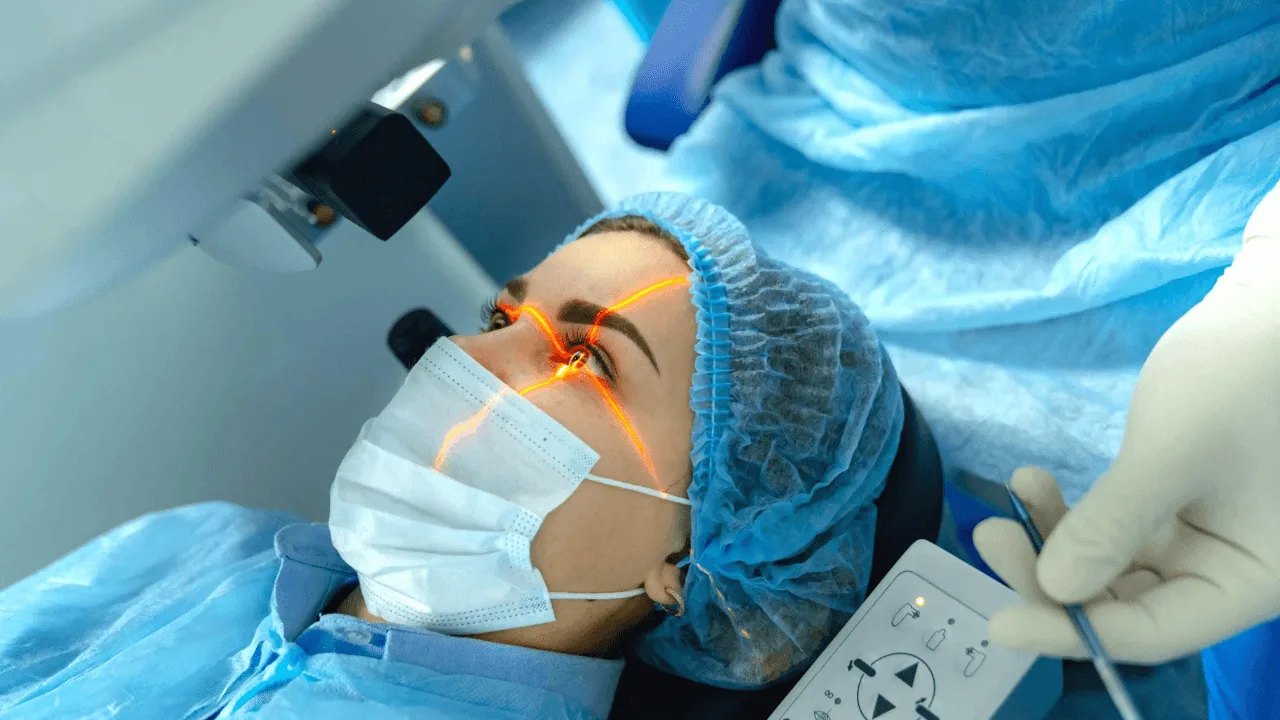
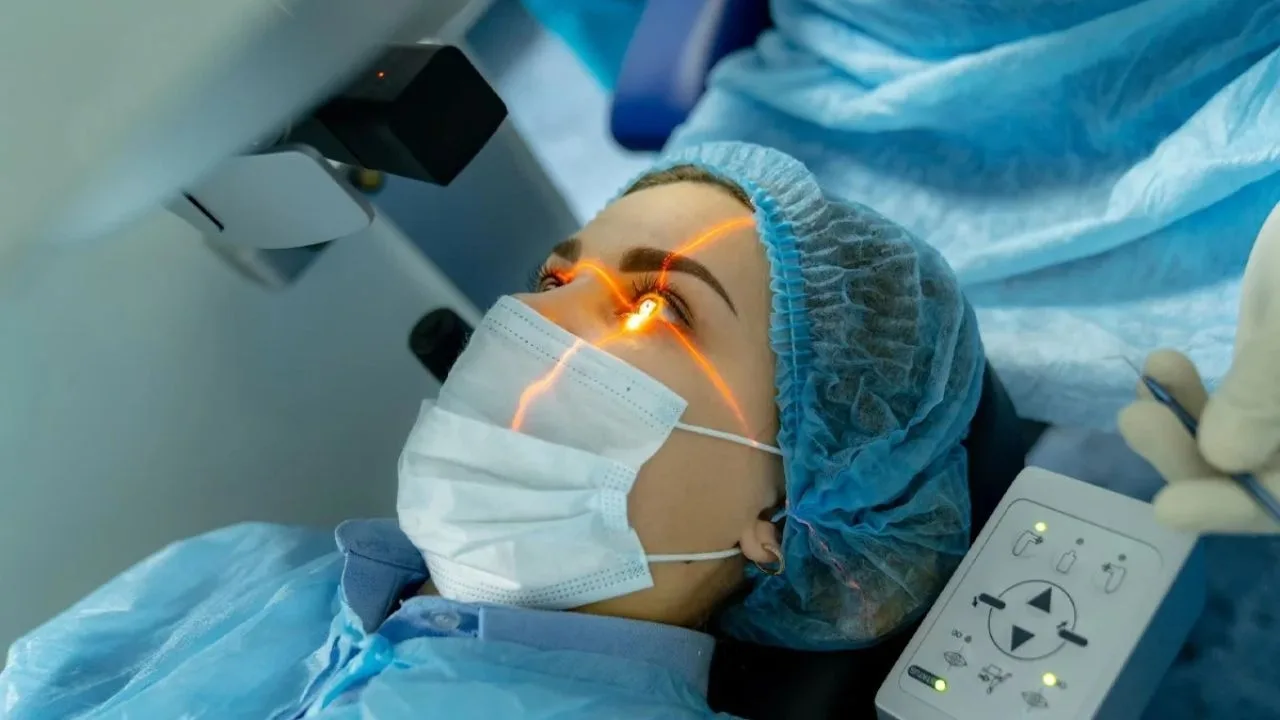
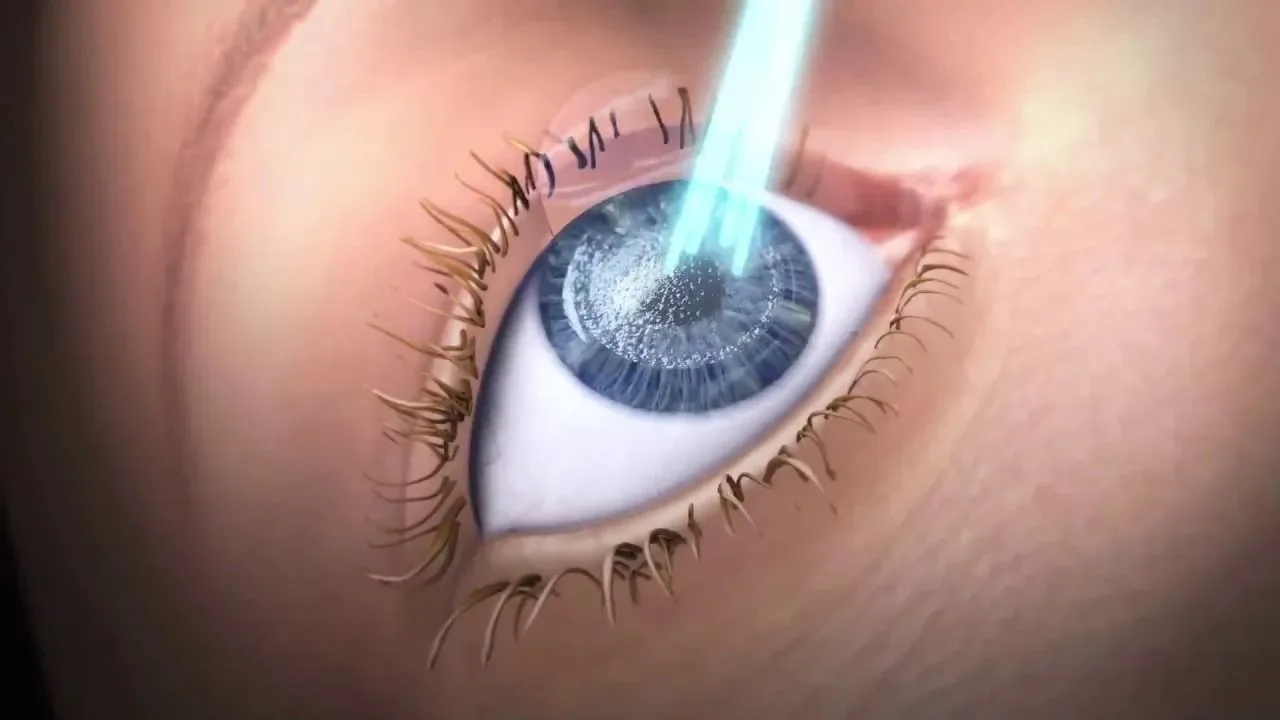
What is excimer laser is one of the questions people with eye conditions ask most. This laser method is used in refractive surgery. Femto LASIK, that is Laser Assisted in Situ Keratomileusis, is also one of the most widely used methods in laser surgery. The excimer laser works by vaporising the cornea at the front of the eye at a molecular level, changing the focusing power of the eye. Problems such as hyperopia, myopia and astigmatism are removed this way.
There are many kinds of laser eye treatment and the excimer is one of them. It is used to correct conditions such as hyperopia, astigmatism and myopia. When the refractive power of the cornea does not match the length of the eye, light cannot focus sharply on the retina. The excimer laser reshapes the curvature of the cornea, and the person's vision problem is removed.
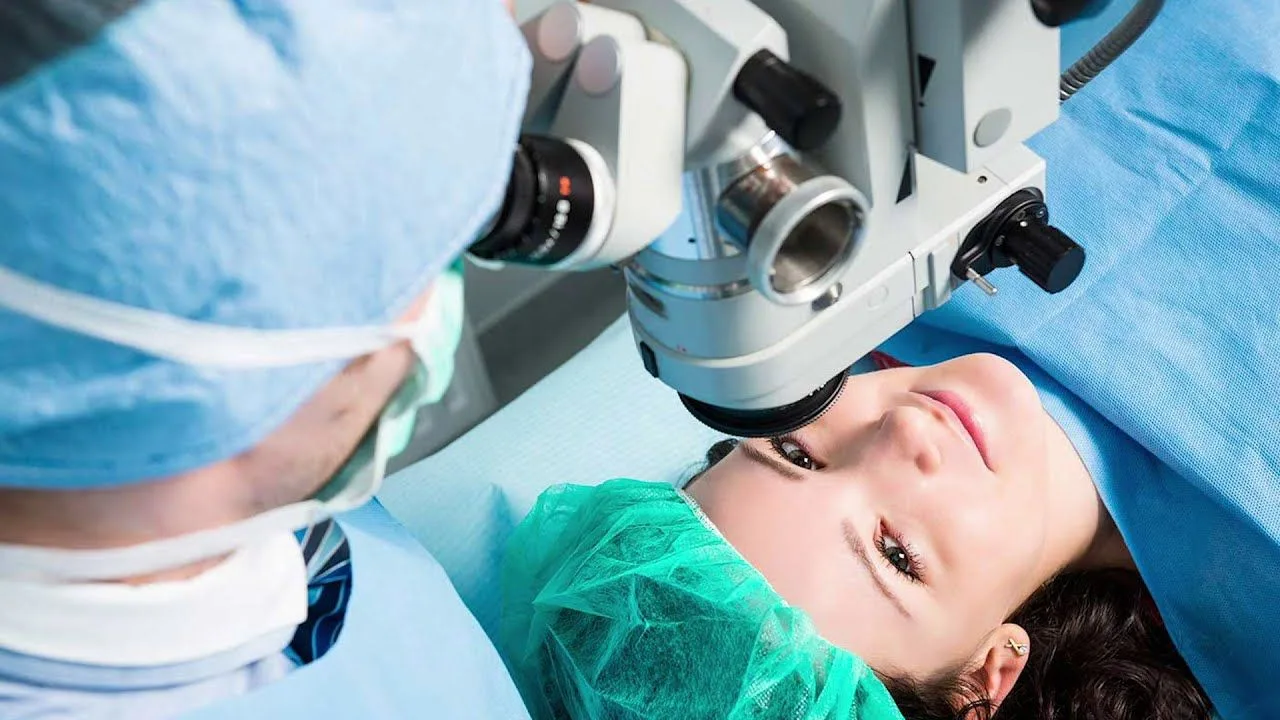
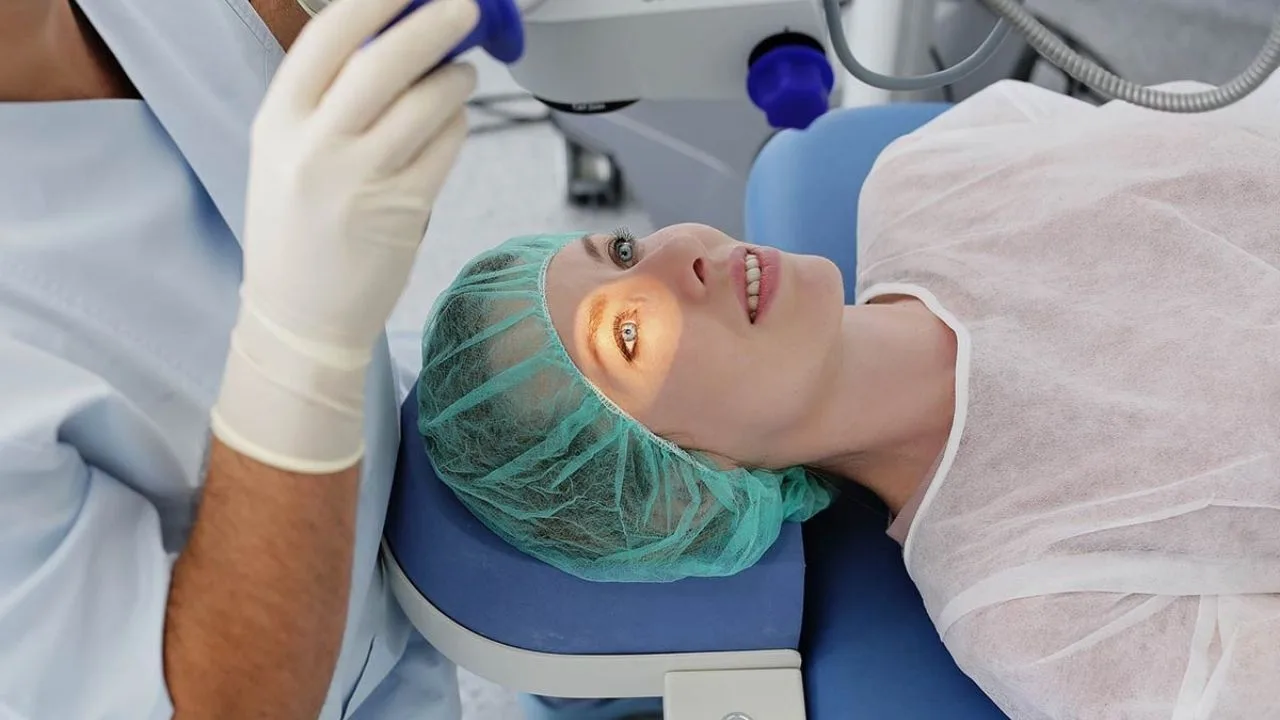
 On the day of surgery the patient is examined and anaesthetic drops are placed in the eye to be operated on. General anaesthesia is not used in this operation; drops that numb the eye are used instead, so that the patient generally feels only mild discomfort during the procedure. Special instruments are then used to hold the eyelids open, which prevents the blink reflex and makes the operation more comfortable for both surgeon and patient.
In the LASIK method, one of the most important points is the lifting of the thin layer on the surface of the cornea. This layer is called the flap. It can be lifted using a femtosecond laser or a microkeratome; at Kudret Eye İstanbul the flap is created with a femtosecond laser. The femtosecond laser uses laser light to create the incision in the cornea, while the microkeratome creates a fine cut with mechanical blades. Because the femtosecond laser is more precise and more controlled, it prevents situations that can arise during surgery. The excimer laser itself makes no incision: it reshapes the corneal tissue from the surface. In LASIK a thin flap is lifted first, and the excimer laser works on the tissue beneath it.
Once the operation is over, the flap lifted from the cornea is laid back in place. It heals by itself and unites with the cornea without any need for stitches. After surgery the eye heals naturally on its own, a process that usually takes a few days. The drops prescribed by the surgeon must be used exactly as directed. The eye must not be rubbed. Do not shower for the first 24 hours; for the first week do not let water, soap or shampoo get directly into the eyes; avoid swimming pools and the sea for about 20 days.
After excimer laser treatment patients may feel a mild soreness as the drops wear off, which is entirely normal. It may pass within a few hours or last a few days. Sunglasses may be needed for a while after surgery, and direct sunlight should be avoided during recovery. Blurred vision, haloes around lights and difficulty with night vision are all normal signs during the healing period.
On the day of surgery the patient is examined and anaesthetic drops are placed in the eye to be operated on. General anaesthesia is not used in this operation; drops that numb the eye are used instead, so that the patient generally feels only mild discomfort during the procedure. Special instruments are then used to hold the eyelids open, which prevents the blink reflex and makes the operation more comfortable for both surgeon and patient.
In the LASIK method, one of the most important points is the lifting of the thin layer on the surface of the cornea. This layer is called the flap. It can be lifted using a femtosecond laser or a microkeratome; at Kudret Eye İstanbul the flap is created with a femtosecond laser. The femtosecond laser uses laser light to create the incision in the cornea, while the microkeratome creates a fine cut with mechanical blades. Because the femtosecond laser is more precise and more controlled, it prevents situations that can arise during surgery. The excimer laser itself makes no incision: it reshapes the corneal tissue from the surface. In LASIK a thin flap is lifted first, and the excimer laser works on the tissue beneath it.
Once the operation is over, the flap lifted from the cornea is laid back in place. It heals by itself and unites with the cornea without any need for stitches. After surgery the eye heals naturally on its own, a process that usually takes a few days. The drops prescribed by the surgeon must be used exactly as directed. The eye must not be rubbed. Do not shower for the first 24 hours; for the first week do not let water, soap or shampoo get directly into the eyes; avoid swimming pools and the sea for about 20 days.
After excimer laser treatment patients may feel a mild soreness as the drops wear off, which is entirely normal. It may pass within a few hours or last a few days. Sunglasses may be needed for a while after surgery, and direct sunlight should be avoided during recovery. Blurred vision, haloes around lights and difficulty with night vision are all normal signs during the healing period.
How is Excimer Laser Applied?
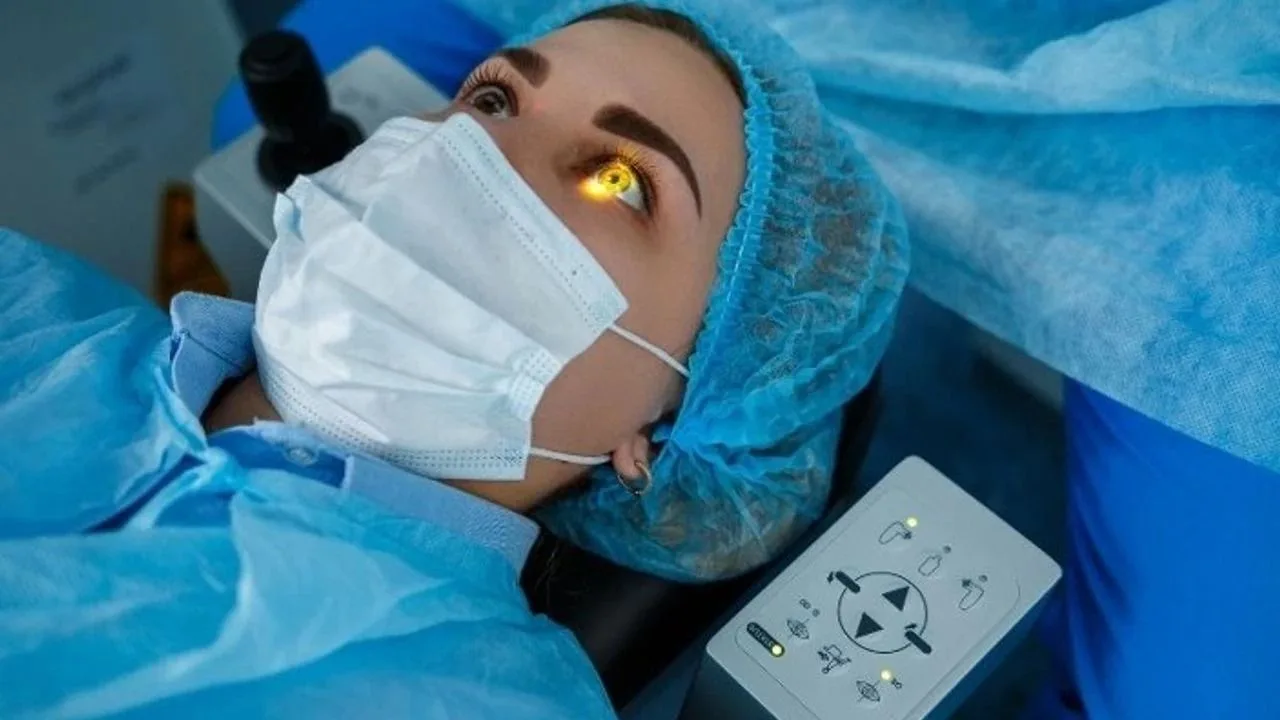
How excimer laser is applied is a question people due to have this surgery often ask. Refractive problems in the eye lead to conditions such as myopia, hyperopia and astigmatism. Glasses and contact lenses are generally used to treat these conditions, and people have to wear them for life. With excimer laser technology, however, these problems are reduced to a minimum or removed entirely. An examination by a specialist is essential before excimer surgery. The surgeon first carries out several tests, among them measuring eye pressure and analysing corneal thickness. The refractive state of the eye is also examined so that any other problem can be identified. A treatment programme is then prepared in the light of the data collected. Patients whose cornea is unsuitable for laser are offered different treatments such as a multifocal lens or an ICL intraocular lens.
On the day of surgery the patient is examined and anaesthetic drops are placed in the eye to be operated on. General anaesthesia is not used in this operation; drops that numb the eye are used instead, so that the patient generally feels only mild discomfort during the procedure. Special instruments are then used to hold the eyelids open, which prevents the blink reflex and makes the operation more comfortable for both surgeon and patient.
In the LASIK method, one of the most important points is the lifting of the thin layer on the surface of the cornea. This layer is called the flap. It can be lifted using a femtosecond laser or a microkeratome; at Kudret Eye İstanbul the flap is created with a femtosecond laser. The femtosecond laser uses laser light to create the incision in the cornea, while the microkeratome creates a fine cut with mechanical blades. Because the femtosecond laser is more precise and more controlled, it prevents situations that can arise during surgery. The excimer laser itself makes no incision: it reshapes the corneal tissue from the surface. In LASIK a thin flap is lifted first, and the excimer laser works on the tissue beneath it.
Once the operation is over, the flap lifted from the cornea is laid back in place. It heals by itself and unites with the cornea without any need for stitches. After surgery the eye heals naturally on its own, a process that usually takes a few days. The drops prescribed by the surgeon must be used exactly as directed. The eye must not be rubbed. Do not shower for the first 24 hours; for the first week do not let water, soap or shampoo get directly into the eyes; avoid swimming pools and the sea for about 20 days.
After excimer laser treatment patients may feel a mild soreness as the drops wear off, which is entirely normal. It may pass within a few hours or last a few days. Sunglasses may be needed for a while after surgery, and direct sunlight should be avoided during recovery. Blurred vision, haloes around lights and difficulty with night vision are all normal signs during the healing period.
When is Excimer Laser Used?
Another of the questions asked most about laser treatment is when excimer laser is used. This laser is used to correct refractive errors such as myopia, hyperopia and astigmatism. Not every person's eye and corneal structure is suitable for laser. For people whose corneal layer is very thin, who have other conditions in the eye, or whose condition is advanced, laser treatments other than the excimer are applied. Eyes that cannot be treated with laser are generally treated with methods known as the intraocular lens, the multifocal lens or the trifocal lens.
Operations That Use Excimer Laser
Operations that use excimer laser fall into many types. It is used most often in the treatment of hyperopia, myopia and astigmatism.- Myopia treatment: in myopia the eyeball is longer than normal or the cornea is too steeply curved, so light is focused in front of the retina. Seeing and making out things in the distance becomes impossible, and glasses or contact lenses are needed. Excimer laser treatment removes this problem: the cornea is given the curvature it needs and the person begins to see without glasses or lenses.
- Astigmatism treatment: astigmatism arises from an irregular curve and irregularities on the surface of the cornea. The cornea cannot carry light clearly to the back of the eye, which causes astigmatism. Near vision blurs while distance vision also becomes difficult. With the excimer the cornea is corrected, with the aim of restoring normal vision.
- Hyperopia treatment: in hyperopia the eye is shorter than normal or the cornea is flatter than it should be, which makes seeing nearby objects very difficult and calls for reading glasses or contact lenses. With excimer technology this problem, too, is removed straightforwardly.
Risks of Excimer Laser Surgery
As with every operation, laser surgery carries certain risks, although these are low. The risks of excimer laser surgery exist both during and after the procedure, and most of these side effects are temporary. The main possible side effects, and how they are handled, are:- Temporary dry eye: common in the first months; artificial tears relieve it and it usually settles on its own.
- Halos and glare at night: may be noticeable in the first weeks and usually disappear as healing progresses.
- Under or over correction: if some of the prescription remains, an additional laser treatment (enhancement) can be carried out in suitable eyes.
- Infection: very rare; it is prevented with the drops prescribed after treatment and simple hygiene measures.