





Eye Diseases
What Causes Sudden Eye Deviation?
- Kudret Eye Istanbul
- Last updated:
- 6 min read
- Medically reviewed by Op. Dr. Mehmet Ali Özdil
Questions such as what causes sudden eye deviation, or how it is treated, are among those people may meet at any point in life. Sudden deviation of the eye can occur for a number of health reasons, and it may be the sign of physical or psychological trouble. A disturbance at eye level may point to a neurological problem, or to trouble with the eye muscles, with nerve conduction or within the visual system.
Sudden eye deviation can affect a person's life both in quality and in their relationships with others. It affects the function of sight and at the same time damages confidence. The situation may hold more than an ordinary squint. A shift in the shape and alignment of the eye may occur in one eye or in both. People who experience eye deviation may also have pain alongside double vision.
Sudden eye deviation can appear in people of any age. In children it generally follows trauma or a vision problem. In middle-aged people it can arise for neurological reasons, while in older people it arises through causes such as hypertension, neurological problems and diabetes.
Eye health matters a great deal if vision is to stay at a healthy level. Our eyes move in the same alignment and direction and focus on the same place. In sudden eye deviation, however, one eye or both shift to different points of focus. This condition, which prevents focusing on a single place, affects the quality of vision considerably.
If eye deviation is observed in babies, children or adults, seeing an ophthalmologist promptly is very important. In some cases neurological investigation may also be needed.
Causes of Sudden Eye Deviation
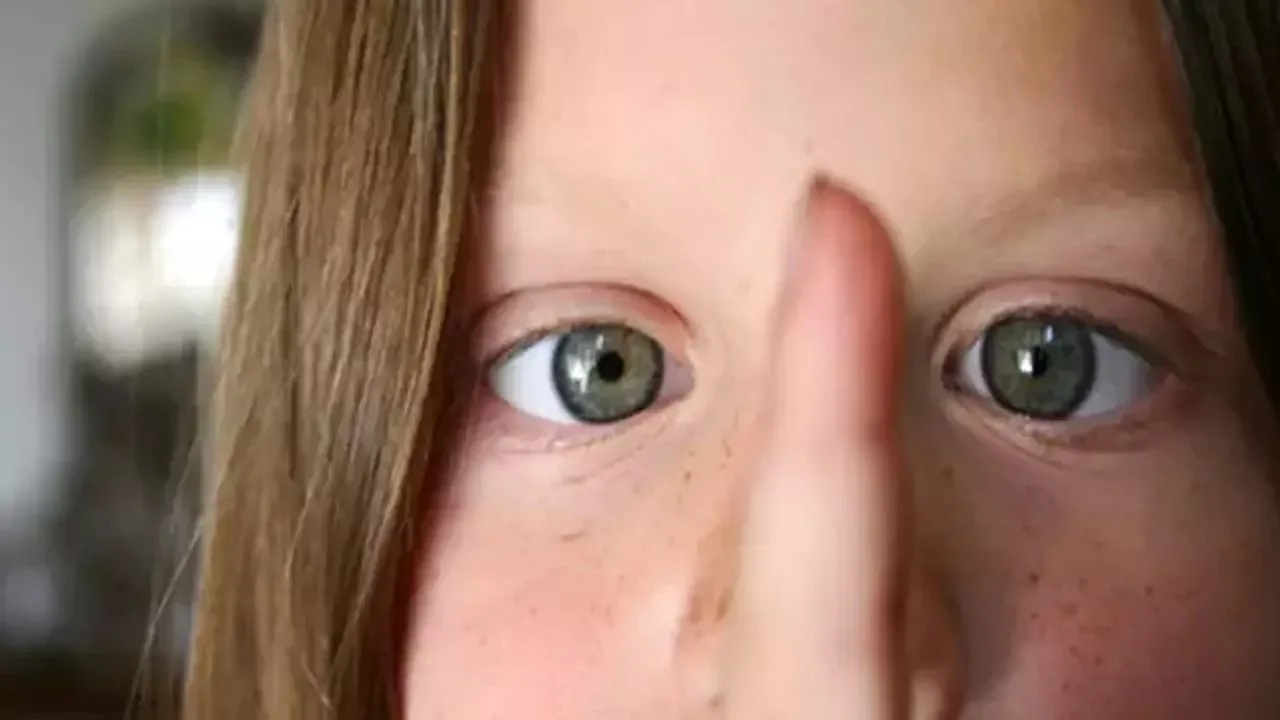
The causes of sudden eye deviation can differ with every age group. In adults it often appears in a way that is hard to explain. Not every deviation appears at an obvious angle. It is generally noticed by other people when the person focuses into the distance or stares at a point, and deviation is clearer when focusing far away. In adults, febrile illness, neural disorders and other conditions can cause eye deviation. Neurological conditions and problems such as masses in the brain can also cause squint. For the eyes to move in every direction, the muscles must work in harmony with one another and apply sufficient force. Eye deviation occurs where there is a problem with the nerves that carry information to the eye muscles, or with the centre in the brain that governs those muscles. Genetic factors can also play a part in eye deviation, known as squint. Chromosomal disorders and hydrocephalus are among the causes as well.
Eye Deviation in Babies
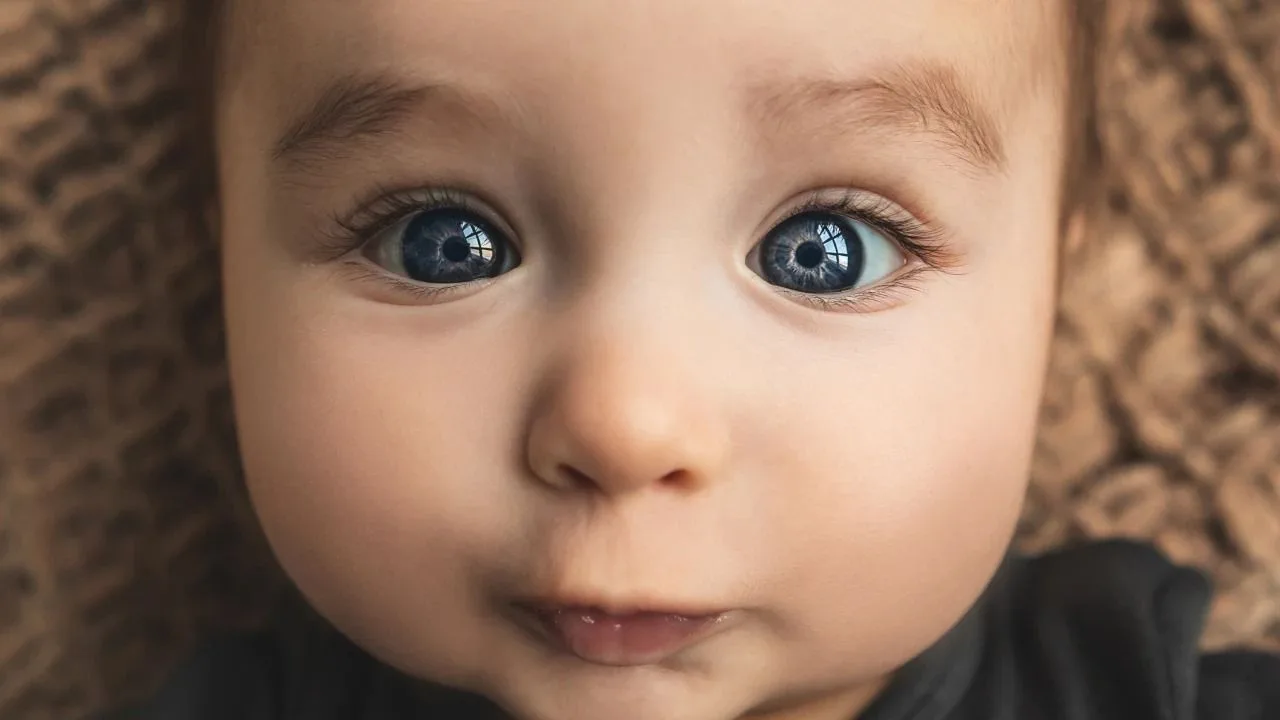
Eye deviation in babies appears, though rarely. In the first 3 to 4 months, the two eyes are still learning to work together, so intermittent deviation can be normal. Although problems of this kind are considered normal during a baby's growth and development, seeing a specialist still matters. As the body and brain develop, problems of this kind become less frequent and disappear. Even where eye deviation in babies is considered normal, consulting a doctor as a precaution is the best course. Deviation that continues after the 6th month or is constant, and deviation that starts suddenly at any age, may be the sign of more serious trouble and needs an examination. Febrile illness can affect the development of the eye muscles in babies, and it is possible to meet this problem after convulsions and seizures.Eye Deviation in Children
Eye deviation in children is met frequently. Where there is a high degree of difficulty seeing at near or at distance in particular, the deviation increases in proportion. As in adults, the problem in children can arise for neurological reasons. Eye deviation experienced in childhood must be taken seriously and followed by parents. Where it is treated early, the degree of deviation falls and the eye muscles return to their normal state before further harm is done.Types of Sudden Eye Deviation
The types of sudden eye deviation are listed according to its cause. The eyes may turn inwards or outwards, and they are examined in different categories according to how the deviation arose. The types are:- Congenital eye deviation
- Eye deviation appearing in adulthood
- Eye deviation arising from muscle palsy
- Eye deviation arising from a refractive error
- Latent eye deviation
Diagnosis of Sudden Eye Deviation
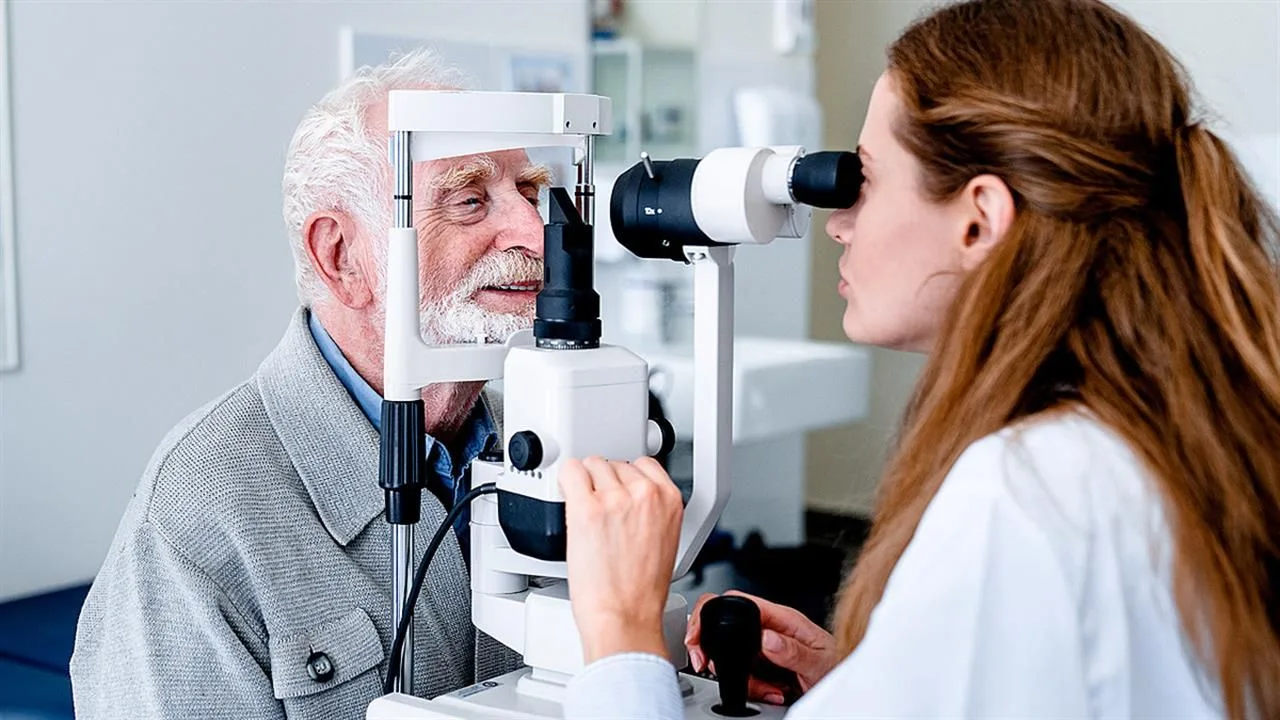
Sudden eye deviation is diagnosed after an eye examination. Where there is a family history of squint, the diagnosis will be clearer. Diagnosing the condition early matters a great deal for the course of treatment. Squint noticed in childhood must always be treated, which is very important if more obvious deviation is not to follow in later years.Treatment of Sudden Eye Deviation
The treatment of sudden eye deviation can vary with the age group. In an adult whose eye has turned suddenly, the cause is investigated first; depending on the findings, prism glasses, a period of waiting or surgery is chosen. Where surgery is needed, the eye muscles are adjusted so that the eyes are aligned evenly. In children the approach is different. The first step is glasses and, if needed, patching; in some types of deviation, eye exercises may also be used. If those treatments bring no result, surgery becomes necessary. If eye deviation is left untreated, particularly in children, the brain may begin to ignore (suppress) the image coming from the deviating eye, and a lazy eye can develop in that eye. In adults, by contrast, deviation that starts suddenly usually causes double vision. Consulting a specialist as soon as squint is identified is the best course.
Frequently Asked Questions
- 1
1. Is sudden eye deviation temporary?
In some situations it can be temporary, appearing through causes such as stress, fatigue or changes in blood pressure. Deviation that begins suddenly may, however, also be a sign of disease of the brain, the nerves or the eye muscles. An ophthalmologist or a neurologist should therefore always be consulted. - 2
2. Do squint exercises work?
Squint exercises can be helpful, particularly in mild and functional deviation or where lazy eye is also present. They are not effective in every type of squint, however. In large angle squint or in structural disorders, surgical treatment is generally needed. Exercises should always be carried out under the supervision of a specialist. - 3
3. Is sudden eye deviation dangerous?
Yes, it can be. Deviation that appears suddenly in a person who has never had a squint before may be a sign of serious conditions such as cerebrovascular disease, tumours, nerve palsy or trauma. Even where it arises for simple reasons, the possibility of an underlying serious condition should not be dismissed. It must therefore always be assessed by an ophthalmologist or a neurologist. Which Lenses Do People with Hyperopia Use?