




Eye Diseases
What is Night Blindness?
- Kudret Eye Istanbul
- Last updated:
- 6 min read
- Medically reviewed by Op. Dr. Mehmet Ali Özdil
The question of what night blindness is is one many people look into. Night blindness is a symptom rather than a disease in itself, and one of its main causes is retinitis pigmentosa. This genetic condition affects the retinal cells that provide focus and vision at night in its early period. There are cells in the retina called rods, and night blindness appears as a result of the loss of those cells.
As night blindness advances, the loss of the cells called cones, which provide vision in daylight, follows. In the final stages the patient is no longer able to carry on with daily life and experiences sight loss.
Night blindness appears as the cells within the retina, which perceive light and carry it to the optic nerve, take damage or deform. Because this condition is inherited, marriage between relatives in particular sets it off. Although the age at which night blindness appears varies from person to person, it can appear at a very young age as well.
Night blindness has genetic forms that take a different course according to sex, and some subtypes are seen more often or more severely in men. How the patient's condition advances varies with a great many factors. Some people develop serious sight loss at an advanced stage while others do not; complete blindness is rare. The way it advances varies according to the history in the family. If it is known how the condition advanced in family members with night blindness, it becomes possible to make predictions and take measures accordingly.
Causes of Night Blindness
The causes of night blindness vary; in retinitis pigmentosa they are genetic. It matters to be examined by specialist doctors in order to establish the situation causing the disturbance of vision. The history of the condition in the family should also always be investigated. Because genetic history is extremely important, situations such as marriage between relatives increase the risk of night blindness appearing. Night blindness can also appear in people who are severely short of vitamin A, and conditions such as cataract and high myopia can cause it too. Once symptoms have appeared, it matters to see a specialist ophthalmologist at once in order to reach a definite diagnosis. Although it is not possible to prevent this condition entirely or remove it completely, where other conditions appear those secondary conditions can be treated.Symptoms of Night Blindness
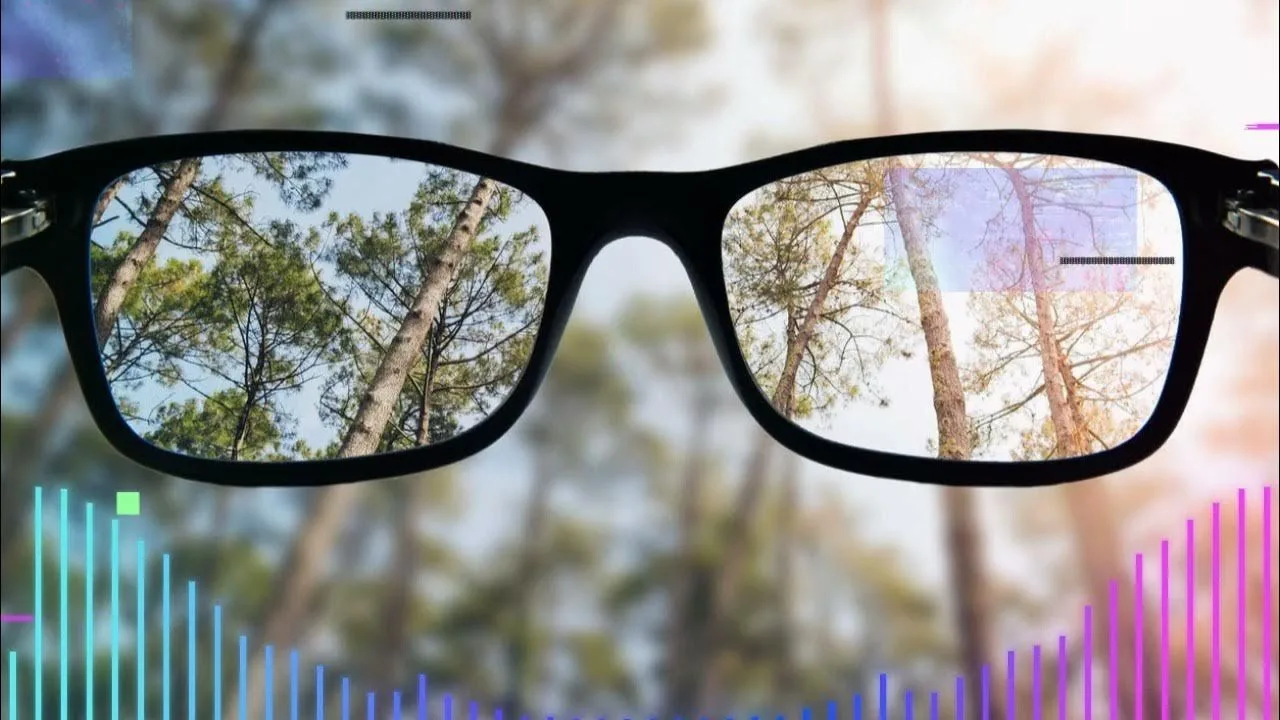
The symptoms of night blindness can appear at various periods. The first sign is generally seeing less at night. In some situations no result is obtained in a physical examination, while at other times it can appear as difficulty seeing at night. The patient has very great difficulty adapting to darkness. When they move from a lit area to a dark one, for instance, their eyes cannot adjust at once. They first need to adapt to the situation a little. This process of adaptation exists in people without the condition as well. In people with night blindness, however, that period is well above normal. As the loss of rod cells increases, signs begin to be met in physical examinations as well. While no physical finding is met in the first stages of the condition, at advanced levels the person begins to lose their ability to see at night. At further stages the situation called loss of peripheral vision occurs. At this stage people begin to see as though they are looking through binoculars. In the final stages, loss of central vision occurs. In these advanced stages it can lead to serious loss of sight. Treatment and diagnosis matter at every stage, however. The most common symptoms of night blindness are these:- There is very great narrowing of the field of vision. The image in the centre can still be made out, but the areas around the centre look black. In some situations they may not be seen at all.
- Quite intense sensitivity to light is experienced.
- At advanced stages, seeing in daylight gradually becomes harder as well.
- Far less is seen at night than in the day.
Diagnosis of Night Blindness
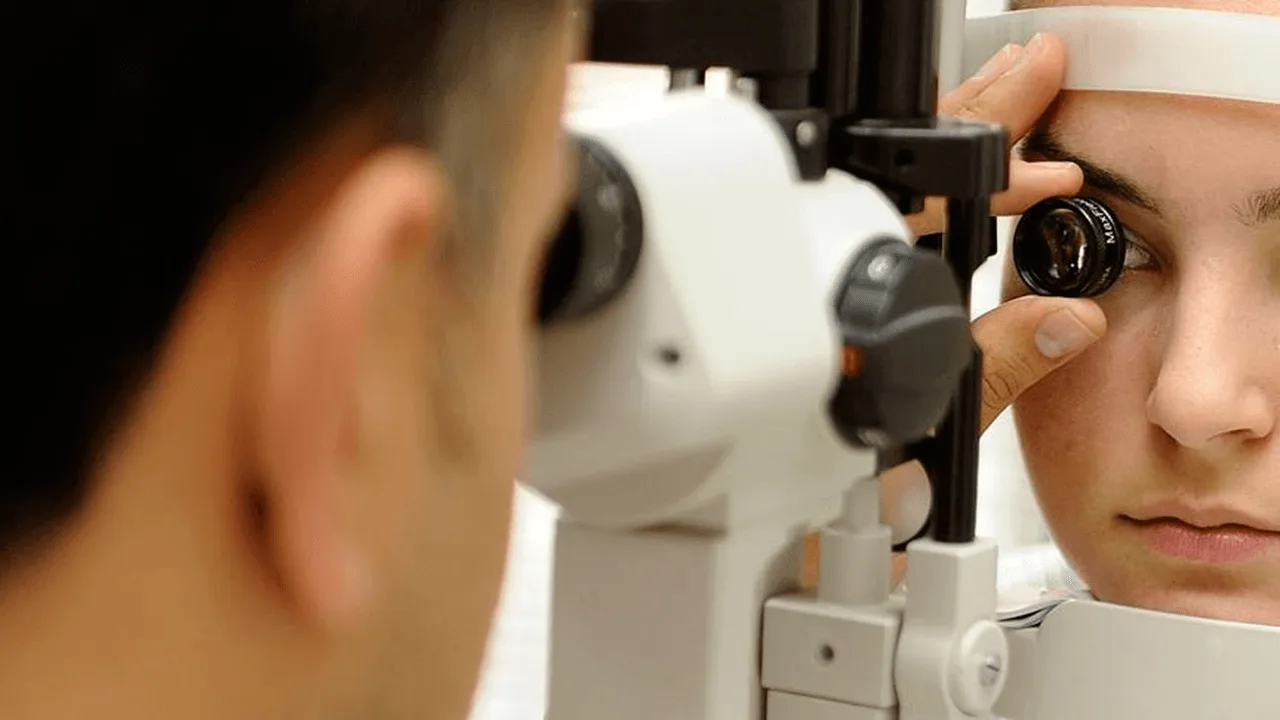
The diagnosis of night blindness matters at every stage. Once symptoms have appeared, a doctor should always be consulted and a visual field test and ERG tests carried out. Thanks to these tests a definite diagnosis of night blindness can be made. Through the visual field test, the degree to which a person sees the parts lying within their field of vision but outside the central point of focus is measured. During the test, methods such as certain objects and light can be used. No anaesthetic or medication is involved in this procedure. There is nothing in the tests carried out that could cause pain. In the ERG test, electrodes are placed around the eye and the face. Measurements of the eye are thereby taken. Extremely mild discomfort can be felt during this procedure. It has two different types, which can be applied for different purposes. Whether there is sight loss at more advanced levels emerges through these tests. Where there is a history of the condition in the family, it can be detected easily at early stages thanks to these tests.Treatment of Night Blindness
Treatment for night blindness depends on the cause. Night blindness caused by vitamin A deficiency or by cataract can be treated: the deficiency is corrected, and the cataract is removed with surgery. Retinitis pigmentosa has no definitive cure; an approved gene therapy exists only for one particular genetic type (a mutation in the RPE65 gene). Research into gene therapy and retinal implants for the other types continues. Because problems the condition can lead to, such as cataract and macular oedema, can be treated, regular check-ups matter. People with this condition should stay away from tobacco, alcohol and similar habits. Alongside that, a balanced diet containing vitamin A and antioxidants is recommended; high-dose supplements should only be taken under a doctor's supervision. There are many alternative methods of treatment for conditions that have no definitive cure. They include vascular surgery and acupuncture. Although herbal treatments are recommended from time to time, none of these alternative routes has any effect. Work on the bionic eye and on gene therapy for people in the final stage of night blindness is still going on. Because retinitis pigmentosa is a genetic condition, it can pass from a mother or father to a baby. This occurs more often in marriages between relatives in particular. People with night blindness can drive if their daytime vision is sufficient, but driving in the dark and at night is not recommended. Thanks to the ground technology covers with every passing day, developments in treatment are expected to appear in the years ahead. What is Pachymetry?
Frequently Asked Questions
- 1
Does night blindness always end in blindness?
No, it does not advance the same way in every patient. In some people a limited ability to see can be preserved for life. - 2
Is there a treatment for the condition?
Treatment depends on the cause. Night blindness caused by vitamin A deficiency or by cataract can be treated. Retinitis pigmentosa has no definitive cure; an approved gene therapy exists only for the type caused by a mutation in the RPE65 gene, and research continues for the other types. - 3
At what age does night blindness begin?
It varies with the genetic type. It can appear in childhood in some people and in young adulthood in others. - 4
Does diet affect the course of the condition?
A balanced diet containing vitamin A and antioxidants is recommended, although that is not a definitive treatment. - 5
Can someone with night blindness drive?
They can drive if their vision is sufficient during daylight hours, although driving in the dark and at night is not recommended.