




Eye Diseases
Symptoms of a Retinal Tear
- Kudret Eye Istanbul
- Last updated:
- 7 min read
- Medically reviewed by Op. Dr. Mehmet Ali Özdil
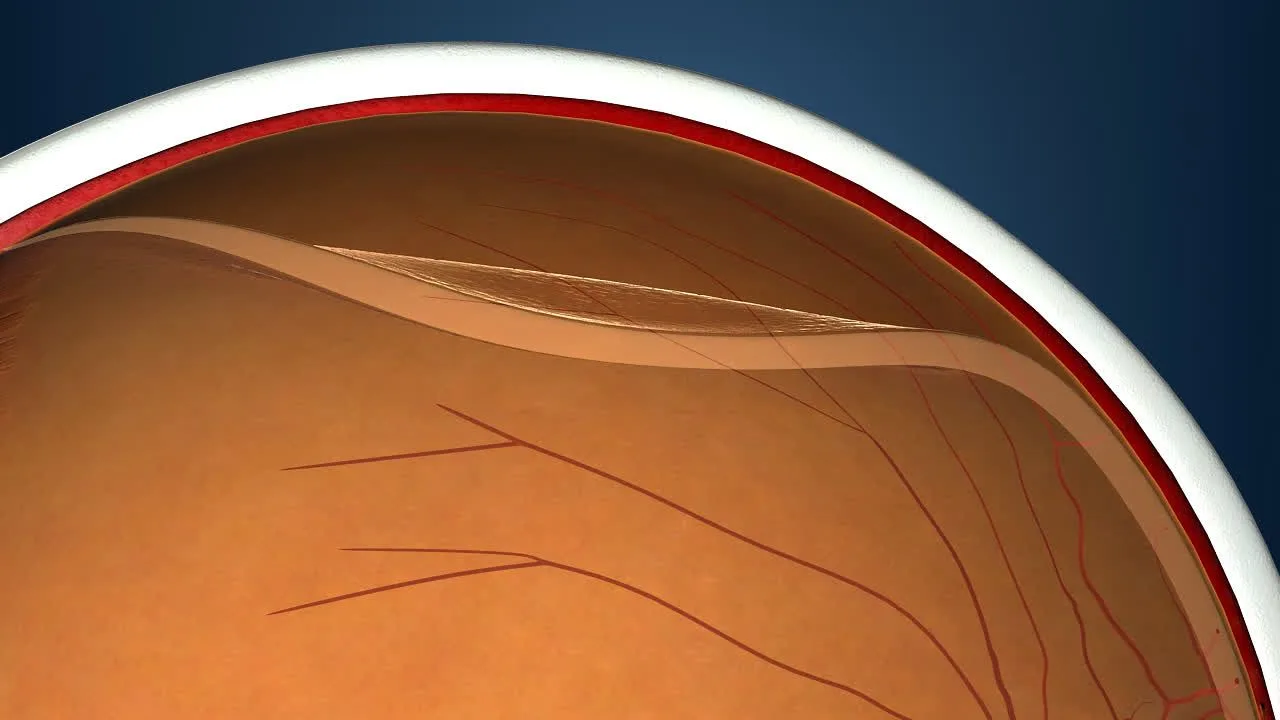
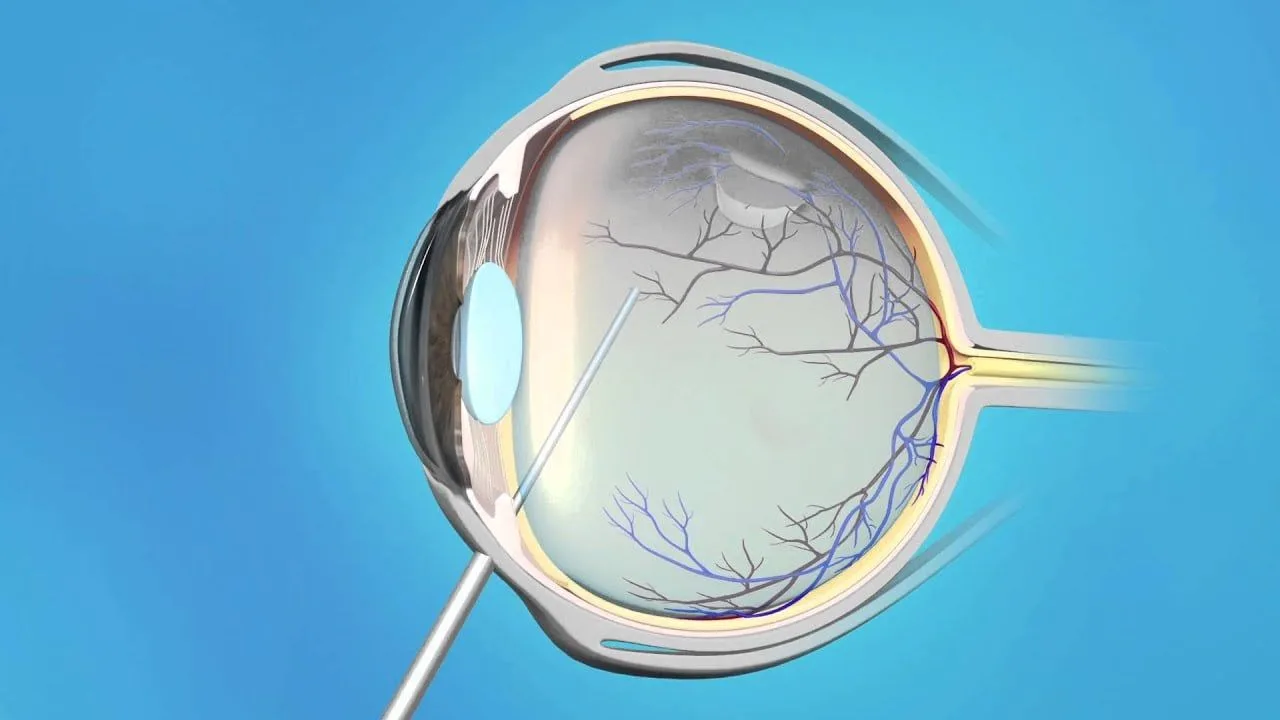
A retinal tear is a break in the retinal layer of the eye that can lead to the retina separating from the place it is attached to. It is a very serious eye condition. The symptoms of a retinal tear are a sudden increase in floaters, flashes of light, spots moving in the eye or darkening of vision. People generally feel no pain where a tear has formed in the retina. They do face serious problems with their sight, however. Where symptoms of this kind are met, a doctor should be consulted quickly before permanent damage forms.
The best way of preventing a retinal tear or of diagnosing it early is regular check-ups with a doctor. Thanks to those check-ups, where there is a condition it is diagnosed early and a treatment plan is put into action quickly. Through early diagnosis it is possible to prevent sight loss before permanent damage forms.
What Causes a Retinal Tear?
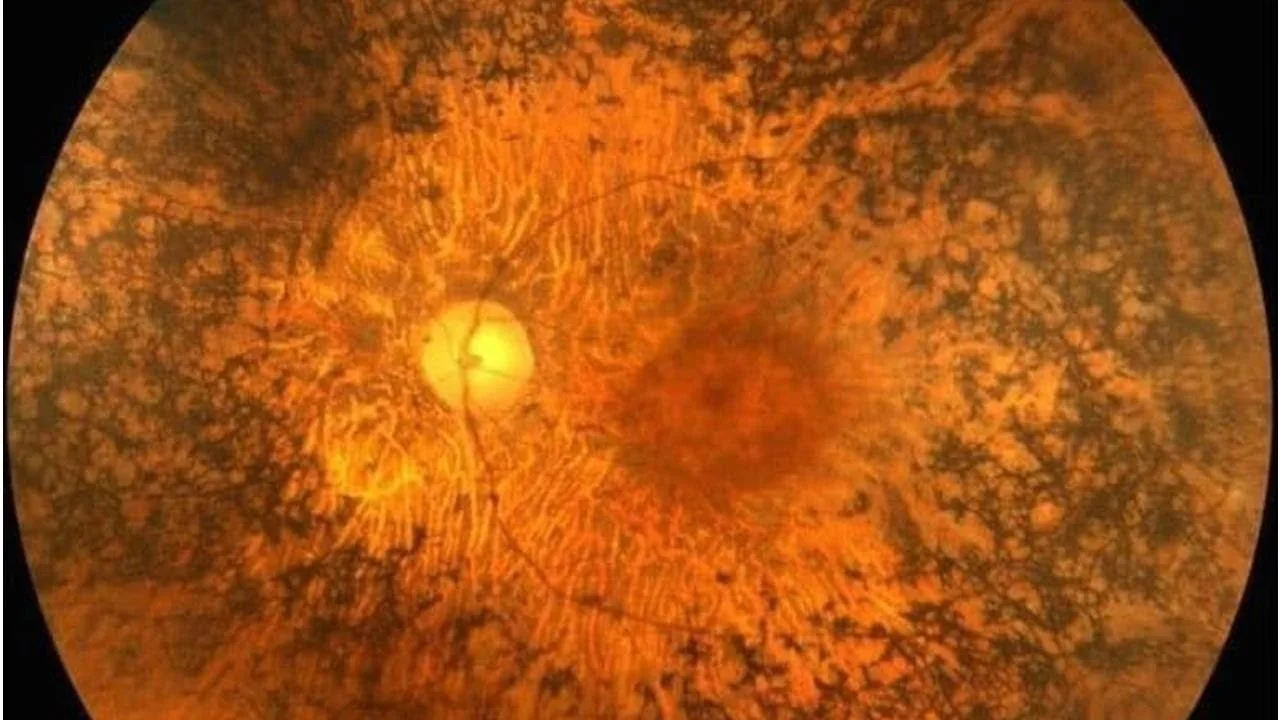
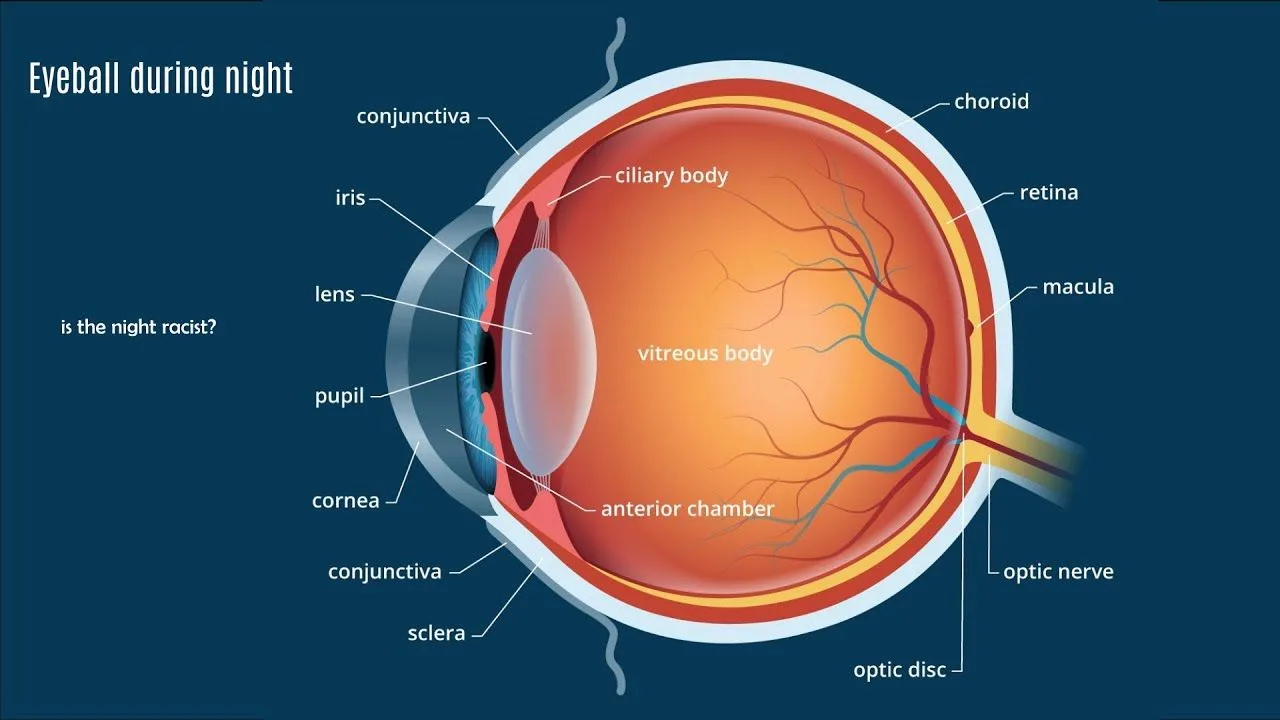
One of the most important causes of a retinal tear forming is myopia. The risk is high in people with high myopia, that is to say above six dioptres. Alongside that, it can appear in older people as the structure of the fluid within the eye deteriorates. Although there is more than one cause, in some situations it cannot be established which of them the tear is due to. Examinations should therefore always be attended at regular intervals so that doctors can make an early diagnosis. The causes can be listed as follows:- In patients with high myopia of six dioptres and above, it can appear because of thinning of the retina.
- In later life, deterioration in the structure of the gel-like fluid within the eye, the vitreous.
- Injuries to the eye or trauma.
- People with a retinal tear in the family generally have a genetic predisposition. That increases their own risk.
- Operations undergone previously, or serious eye conditions.
- Weakening of the retinal tissue because of certain conditions.
- Tension forming in the retina as the vitreous fluid reduces or begins to pull away, and tears occurring with it.
- Infections forming in the eyeball.
- Structural abnormalities present in the eyeball.
- In some situations where the cause is unknown and no diagnosis can be made, a retinal tear can still form.
How is a Retinal Tear Diagnosed?
To diagnose a retinal tear, doctors first listen to the patient's history. At this stage they hear about the conditions the patient has had before, the medication they use regularly and the eye conditions in their family. They then ask what the patient's symptoms and problems are. Once the general history has been taken, drops are first placed in the patient's pupils. Thanks to those drops the eyes are dilated and made ready for examination. The inside of the eye and the area around it are then checked by the doctor using an examination microscope and various lenses. As a result of that check, the doctor can diagnose a retinal tear easily. A retinal tear can also be detected during regular check-ups. Once the condition has been detected, a treatment plan is assessed according to the patient's situation.How is a Retinal Tear Treated?
In planning treatment for a retinal tear, the extent of the damage in the patient's eyes matters. As technology has advanced, there is now more than one method of treatment. Those methods are these:- Argon laser treatment
- Vitrectomy
- Scleral buckle
Frequently Asked Questions About Retinal Tears
- 1
How quickly should a retinal tear be treated?
A retinal tear is a condition that can leave permanent damage in the eye. A doctor should therefore always be consulted once defects in vision appear and sight begins to fall. Treatment should be carried out as soon as possible. Where treatment is delayed, the patient can face permanent sight loss. - 2
Can a retinal tear be noticed in advance?
A retinal tear is generally very difficult to notice before it gives symptoms. It emerges as a result of a detailed and careful examination of the eye. Alongside that, where the patient has symptoms such as flashes of light, seeing black spots and changes in their vision, they should always consult a doctor urgently. - 3
How is the risk of a retinal tear reduced?
The risk of a retinal tear is generally higher in patients with myopia, in patients with diabetes and in people with a family history. People in these groups should therefore always attend regular check-ups. They should protect themselves from blows to the eye. Where conditions such as diabetes and hypertension are present, they should always be kept under control. - 4
Can a retinal tear be treated with laser?
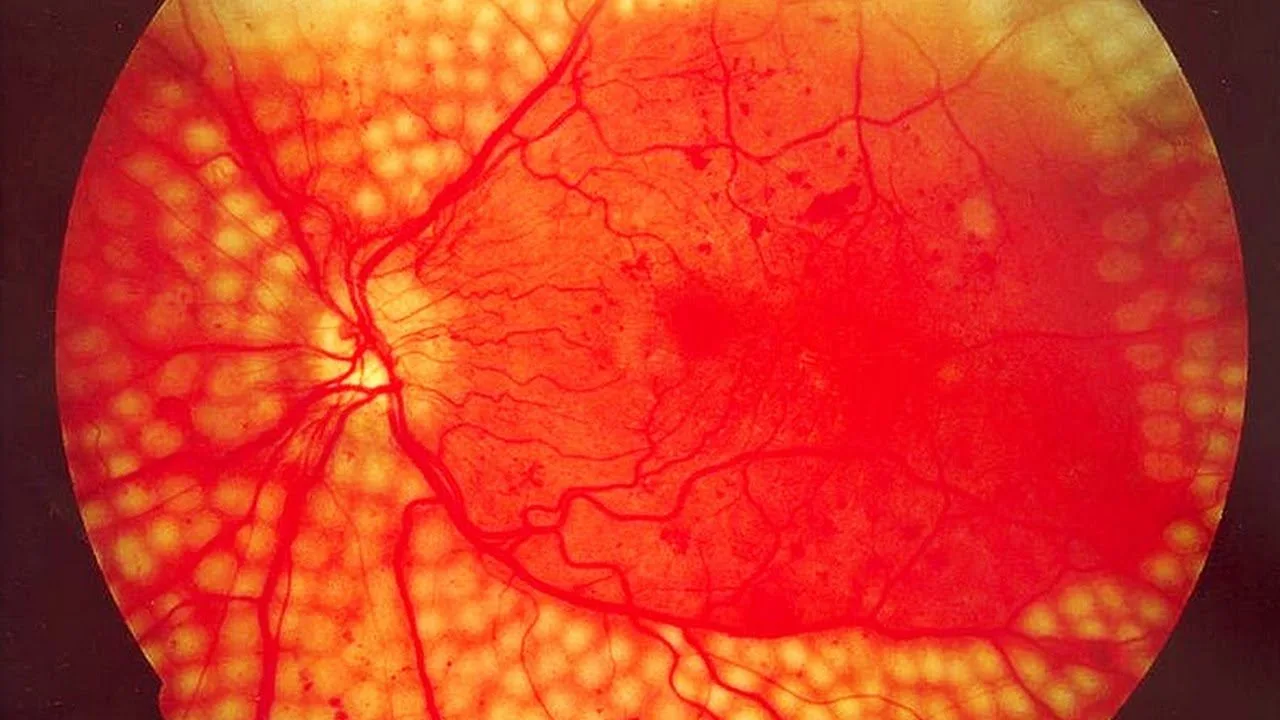
Retinal tears can be treated with laser. If no retinal detachment has developed, the area around the tear is sealed with laser; if detachment has developed, vitrectomy is needed. Laser treatment achieves success to a great degree in treating retinal tears without detachment. It is carried out as an outpatient procedure, and the patient generally goes home the same day.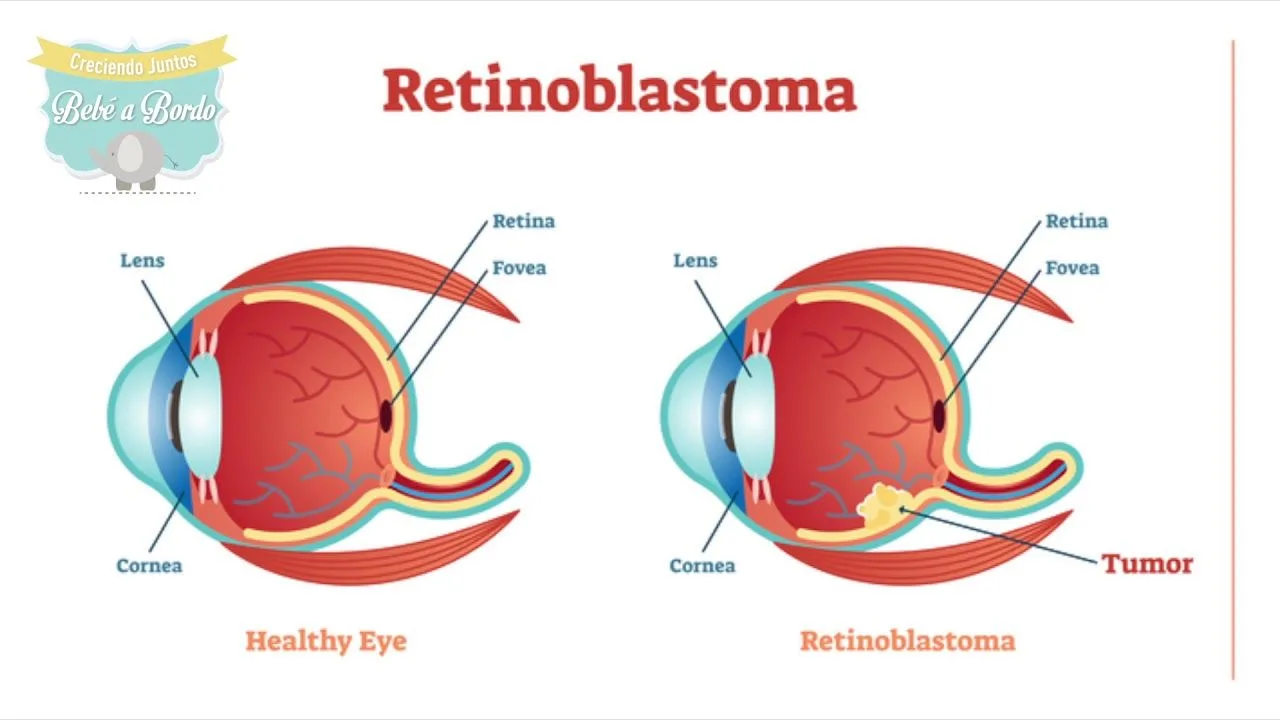
- 5
Are a retinal tear and retinal detachment the same thing?
No. A tear is an opening formed in the retina. If it is left untreated, the retinal layer can separate from its place and advance to detachment. - 6
Does a retinal tear cause pain?
It generally causes no pain. Symptoms such as floaters, flashes of light and a curtain across vision come to the fore instead. - 7
Who is at risk?
People with high myopia, people who have suffered trauma, the period following cataract surgery, people with lattice degeneration, and advanced age. - 8
Can it advance and cause blindness?
If treatment is delayed it can advance to retinal detachment and sight loss can become permanent. Early treatment reduces that risk. - 9
How is it diagnosed?
The pupil is dilated and a detailed fundus examination is carried out. Where necessary, OCT or B-scan ultrasound is used. - 10
Is laser treatment applied to every tear?
Where there is no detachment and the tear is in a suitable position and shape, the area around it can be sealed with laser or cryopexy. - 11
What is vitrectomy?
It is surgery in which the vitreous is removed and a gas or silicone tamponade is placed. It is used frequently in retinal detachment. - 12
What is a scleral buckle?
A silicone band placed outside the eye brings the retina closer to the layer beneath it. It is effective in selected cases. - 13
Can pneumatic retinopexy be used?
Where the tear is in a suitable position, treatment can be carried out by placing gas within the eye together with laser or cryotherapy. - 14
What is recovery like after treatment?
It varies with the method applied. Where there is a gas tamponade, positioning may be needed for a period, and check-ups should not be neglected. - 15
Can a tear recur?
Yes. New tears can develop, particularly where the risk factors continue. Regular follow-up matters. - 16
Can it pass to the other eye?
The same mechanisms can occur in the other eye as well. The fellow eye should be checked regularly. - 17
Does screen use cause a tear?
It does not cause a tear directly. Attention should be paid to eye health hygiene, however, so that awareness of symptoms is not reduced. - 18
Is there a relationship with sport and trauma?
Protective glasses are recommended in sports open to blows. Trauma can increase the risk of a tear.